
Vandaag of morgen in huis

Kwaliteit gegarandeerd

Welkomstaanbiedingen ontgrendelen: GRATIS bezorging | Tot 80% korting | Gratis 30 dagen JoyPlus-proefperiode
Download de app
Fancy a quick bowl of Sichuan noodles, hot and sour vermicelli or a self-heating hotpot? Chinese instant noodles come in many varieties. The differences are not limited to the packaging: the type of noodle, amount of chilli oil, preparation time and allergens all determine whether a product is right for you.
If you focus only on words such as “authentic”, “extra spicy” or “rich broth”, you may end up buying a product that is too salty, too large or awkward to prepare. With these practical checks, you can compare products more effectively and find a flavour and size that suit your household.
Spicy instant noodles can vary considerably. Some products use mainly chilli oil, while others combine Sichuan pepper, fermented bean paste, vinegar or sesame paste. As a result, the flavour may be not only hot, but also sour, aromatic or mildly numbing.
Pay attention to the individual sachets. A product with separate chilli oil or sauce usually gives you more control over the intensity. With many varieties, you can add only part of the oil or seasoning paste.
A 100 to 150-gram bag is often intended as a single portion. A multipack is more convenient for students, smaller households and anyone who wants to stock up, but check the total quantity and shelf life. For example, a 312-gram self-heating hotpot contains vegetables, vermicelli, sauce and a heating pack; this is a different type of meal from a 110-gram bag of noodles.
Not every variety is ready to eat straight from a bowl. Some Sichuan noodles must first be boiled and then drained. Other products require a sauce sachet to be heated or need a longer preparation time. Also check whether you need a kettle, saucepan or electric cooking pot.
Do not look only at the name on the front. The ingredients list states which flour or starch forms the base.
Check the following before buying:
Never open or eat the heating pack in a self-heating hotpot. Place the inner container as instructed, add water up to the indicated line and take care around the hot steam.
Many Chinese instant noodles contain wheat, soya and sesame. Some products also contain milk, egg, peanuts, fish or sulphites. Always read the product packaging and allergen information, especially if you have a food allergy or intolerance.
Salt levels also vary considerably. The nutritional information is usually given per 100 grams. A product containing 6.2 grams of salt per 100 grams, such as Shizu Energy Mala Hot Pot Tripe-Style Instant Glass Noodles, calls for a different consideration from a variety with a lower stated level. The amount of sauce you actually add can affect the overall composition of the prepared meal.
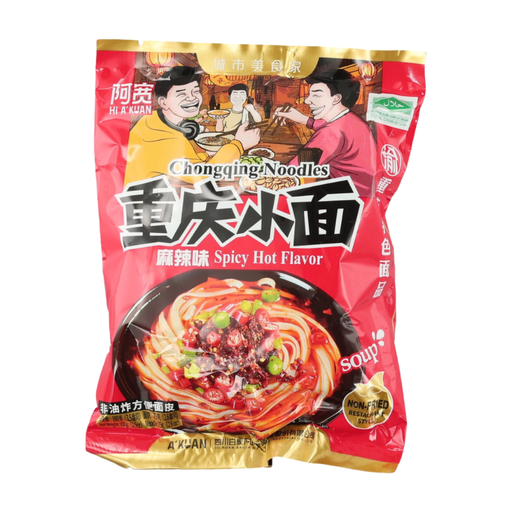
Why it suits this profile: A single 100-gram bag is ideal for trying Chongqing noodles without immediately committing to a large pack.
The preparation method is clear: boil, drain, then add the oil and seasonings. You can adjust the amount of oil to suit your taste.
100 grams per bag, wheat noodles, separate oil and seasoning sachets, and a stated salt content of 2.65 grams per 100 grams.
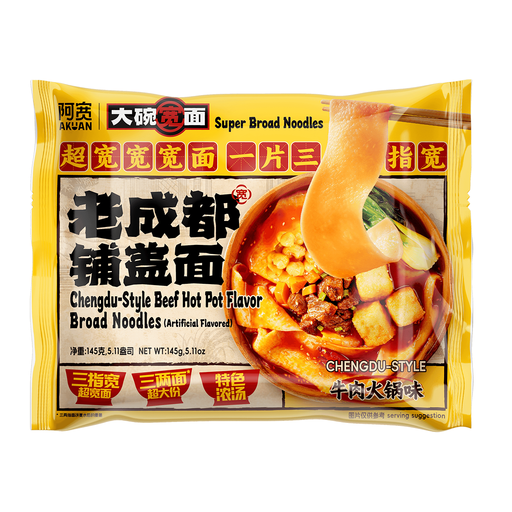
Why it suits this profile: The broad noodles and multiple flavour components are ideal for anyone looking for more texture and a distinctive Chengdu-style flavour profile.
The pack contains separate sauce and powder sachets. This allows you to adjust the spiciness and amount of sauce to some extent.
145 grams per portion, thick wheat noodles, Sichuan pepper and fermented bean paste in the sauce according to the ingredients list.
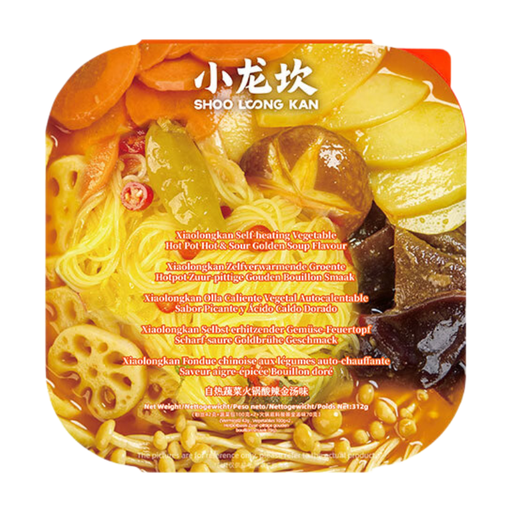
Why it suits this profile: A convenient hotpot meal that does not require a cooker, making it suitable for the office or for trips where cooking facilities are limited.
This is clearly a self-heating meal with vegetables, vermicelli and sauce. According to the product information, preparation takes approximately 15 minutes; take extra care around the hot steam.
312 grams, vermicelli, potato, lotus root and black fungus; according to the product description, the heating pack reaches at least 80 °C.
We have put together a complete, up-to-date list of products that fully meet these strict selection criteria and the applicable European safety regulations.
Cup varieties are practical when you want a quick Chinese noodle soup. If you are looking for a more intense Sichuan flavour, you can choose red-oil noodles, mala hotpot noodles or hot and sour vermicelli. For several meals, a five-pack such as Baijia Hot & Spicy Vermicelli or Hefu Spicy and Sour Thick Soup Noodles is often more practical than buying individual portions.
No. There are mild, aromatic and extremely spicy varieties. “Mala” generally refers to the combination of chilli and Sichuan pepper, while “hot and sour” adds a sour element. Read the flavour description and add separate oil or sauce sachets according to your preference.
It varies by product. Some noodles soak in boiling water for four to six minutes. Others need to be boiled for three to seven minutes and then drained. Always follow the instructions on the packaging. Do not eat dry noodles uncooked when the product instructions specify boiling.
Unopened products can be stored at room temperature until the date shown on the packaging, provided they are kept somewhere cool and dry. Check the best-before date and use an opened portion immediately. With self-heating hotpot meals, you should also check the packaging and heating pack for damage before use.
