
Vandaag of morgen in huis

Kwaliteit gegarandeerd

Welkomstaanbiedingen ontgrendelen: GRATIS bezorging | Tot 80% korting | Gratis 30 dagen JoyPlus-proefperiode
Download de app
Craving Chinese instant noodles, but not sure which pack is right for you? Dutch shops and online retailers now offer Sichuan noodles, Chongqing noodles, broad rice noodles and various chilli oil varieties. The differences are not limited to flavour. Preparation method, portion size, allergens and salt content can also vary considerably.
A brand’s product description does not always tell the full story either. Pay particular attention to the verifiable information on the packaging and product page.
With mala noodles, Sichuan pepper provides a tingling, numbing sensation alongside the chilli. This is different from simple heat. Sweet-and-sour noodles usually contain a separate vinegar sachet, while instant noodles with chilli oil focus mainly on oil, spices and pepper.
So check the ingredients and individual sachets. Is Sichuan pepper, vinegar, sesame or chilli oil listed? This will give you a clearer idea of the flavour profile than words such as “spicy” or “authentic” alone.
A pack of five or twelve portions is convenient if you eat noodles regularly, but check the price per 100 grams or per portion. Also consider the total shelf life and the storage space available. A large box is less practical if you are not yet familiar with the flavour.
For individual use, bowls or separate packets are easier to manage. A 5-pack is better suited to a cupboard, student accommodation or a household where several people regularly eat noodles.
Not every pack contains noodle soup. Sichuan dan dan noodles and red-oil noodles are generally drained and then mixed with sauce. Other products are intended as Chinese noodle soup and require around 500 ml of hot water.
Also check whether you need a saucepan, kettle or microwave. A bowl that is microwave-safe according to the product instructions is useful at the office. A packet of broad noodles will usually require a bowl, boiling water and a reliable way to drain them.
The term “rice noodles” deserves extra attention. The products listed are made mainly from wheat flour, so always check whether you are actually looking for broad rice noodles or broad wheat noodles.
Many Chinese instant noodles contain wheat and gluten. Soya and sesame are also common. Some varieties also contain peanuts, mustard, egg, celery or barley. Read both the allergen statement and the full ingredients list, particularly if you are sensitive to cross-contamination.
For example, a product with sesame paste is not the same as a variety containing chilli oil only. If in doubt about the current recipe or labelling, use the information on the packaging as your guide.
Compare nutritional values per 100 grams and also check the net weight. A 100-gram portion is not directly comparable with a 242-gram bowl. The salt content can vary considerably, in particular. Some products list sodium instead of salt; in that case, use the unit shown on the packaging.
Sauce sachets often contain oil and flavour enhancers. This creates a rich flavour, but you can usually adjust the quantity yourself. Add some of the chilli oil first, then taste before adding more.
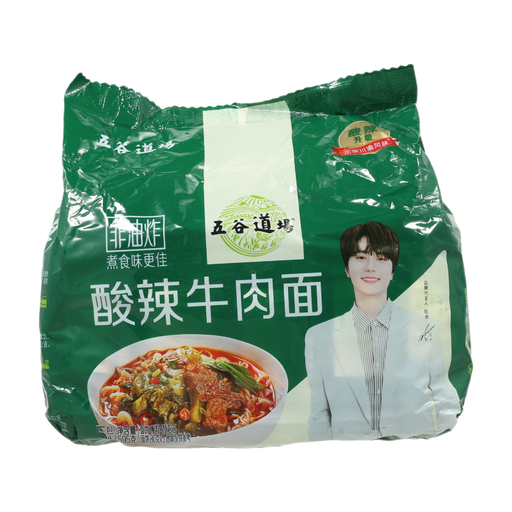
Why it suits this profile: Five individually portioned packs make this a practical choice for students, kitchen cupboards and anyone trying spicy Chinese noodles for the first time.
The flavour and preparation method are clearly described: non-fried wheat noodles, beef flavour, sauce and a vegetable sachet. However, check the listed wheat and soya allergens.
5 x 119 grams; smooth, firm noodles; individually packed; hot and sour beef flavour profile.
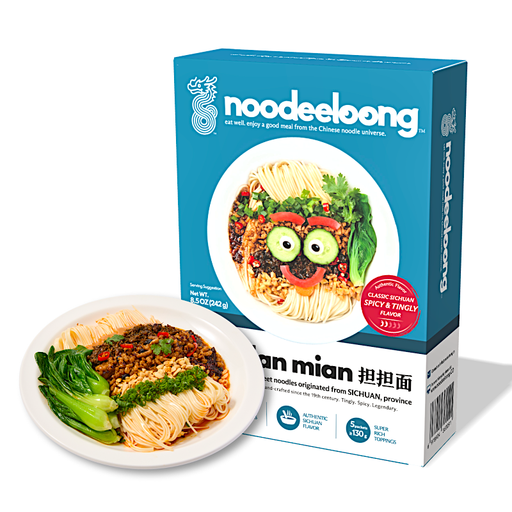
Why it suits this profile: Ideal for anyone looking for a distinctive Sichuan profile with sesame paste, chilli oil and Sichuan pepper in separate sachets.
The regional flavour is supported by the listed ingredients, including sesame paste and Sichuan pepper. The sauce is mixed separately, allowing you to control the intensity.
242 grams; cooking time of approximately 4–5 minutes; combination of sesame, chilli and Sichuan pepper; wheat and sesame allergens clearly stated.
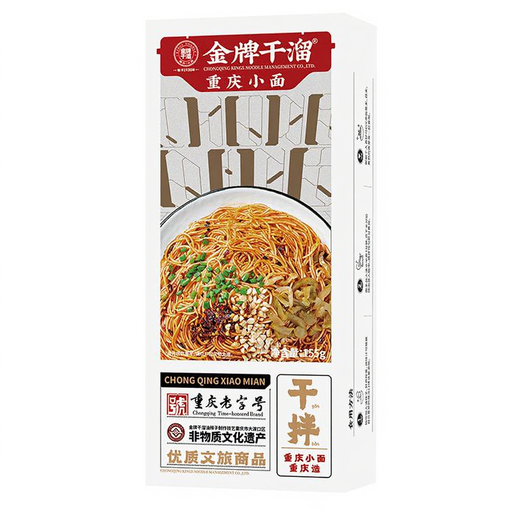
Why it suits this profile: For fans of Chongqing-style noodles with multiple layers of flavour, including chilli oil, Sichuan pepper, preserved mustard greens, peas and sauce.
The product information specifies the separate sachets and a preparation time of 2–3 minutes. This makes it clear that it is a mixed noodle meal rather than a classic soup.
155 grams; multiple flavour components; short cooking time; allergen information for wheat, sesame and soya, with celery potentially present.
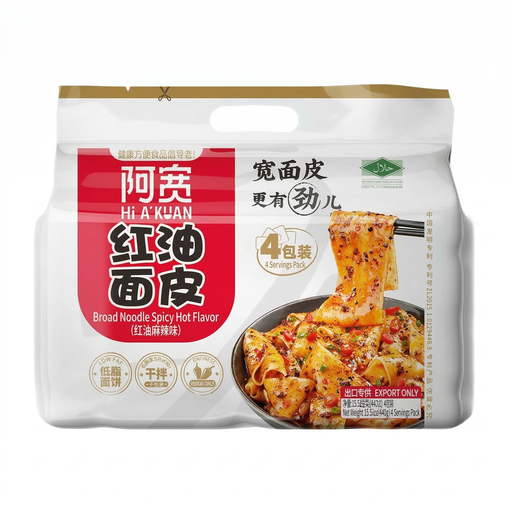
Why it suits this profile: The pack contains four portions of broad, flat wheat noodles for anyone looking for a substantial texture and a larger stock-up format.
The instructions specify soaking for 5–6 minutes and then draining thoroughly. This avoids confusion with a soup variety and helps keep the sauce concentrated.
440 grams; 4 individual portions; broad noodles; chilli oil and seasoning; wheat and soya allergens stated.
We have put together a complete, up-to-date list of products that fully meet these strict selection criteria and the applicable European safety regulations.
No. Sichuan, Chongqing and red-oil varieties are often spicy, but the intensity varies from one recipe to another. If in doubt, start with part of the oil or seasoning sachet.
The best-before date is printed on the packaging. In most cases, store the products as instructed in a cool, dry place away from direct sunlight. After opening or preparation, many varieties should be consumed immediately.
Compare the net weight, price per portion, preparation method, flavour type and allergens. Also check whether you are buying a multipack or a single bowl. This helps ensure your order suits the way you use the product and prevents you from buying a large stock pack of a flavour that is not right for you.
