
Vandaag of morgen in huis

Kwaliteit gegarandeerd

Welkomstaanbiedingen ontgrendelen: GRATIS bezorging | Tot 80% korting | Gratis 30 dagen JoyPlus-proefperiode
Download de app
Chinese instant noodles are a convenient choice for a quick meal at home, in the office or in a student room. However, products vary considerably in their ingredients, serving size, preparation method and flavour. Eye-catching packaging featuring terms such as “rich broth” or “ramen-style” does not always tell you what you are actually buying.
When comparing Chinese instant noodles, it is worth checking three things: the ingredients list, the allergen information and the quantity per pack. This helps you avoid choosing a product that does not suit your dietary preferences, turns out to be too salty or proves inconvenient to use.
A cup weighing 180 to 197 grams may contain several components: a noodle block, vermicelli, sauce, vinegar, vegetables and seaweed. So check the net quantity per cup, rather than looking only at the size of the packaging. A multipack containing 12 cups is particularly practical for households that eat instant noodles regularly, but it also requires enough dry, cool storage space.
An egg-free version may suit consumers who avoid eggs, but that does not mean the product is free from gluten, soya or sesame. For example, the Yang Zhang Gui products in this selection list wheat/gluten, soya and sesame as allergens. If you have an allergy, always read the packaging and the latest product information before ordering.
Some products are described as halal in their product name. This is relevant information for consumers who eat halal food, but you should also check the halal logo, ingredients and import information on the packaging. A flavour name such as “beef flavour” does not automatically describe the origin of all flavourings.
Chinese ramen, Hong Kong-style noodles and vermicelli noodles each offer a different eating experience. A combination of wheat noodles and sweet potato vermicelli creates a contrast between firmer and smoother textures. Products containing vinegar and chilli often have a sharp, spicy profile, while a golden beef flavour is generally more savoury.
Pay attention to the separate sachets, too. A product with individual sauce, vinegar, vegetable and seaweed sachets gives you more control over the final flavour. For example, you can set aside some of the spicy sauce if you prefer a milder noodle soup.
Most instant noodles in cups are ready after soaking in boiling water for around 4 to 6 minutes. Several Yang Zhang Gui cups recommend using water at a minimum of 85°C. The noodles must be fully covered with water; otherwise, some hard pieces may remain.
Several products do not include a fork because of European regulations concerning single-use plastics. So keep a fork or chopsticks handy at home. If you use an electric ramen cooker, you should also check the appliance’s capacity, power rating and safety instructions.
Nutritional values are usually given per 100 grams. This makes comparison possible, but a cup often weighs between 157 and 197 grams. If necessary, convert the figures to the values for a full serving. In the product information provided, for example, the salt content ranges from 3.6 to 5.9 grams per 100 grams.
As well as wheat, check for soya, sesame, egg and sometimes barley. An egg-free instant noodle product may still contain wheat gluten. For a less strongly seasoned meal, you can use less sauce or powder and combine the noodles with vegetables, egg or tofu yourself.
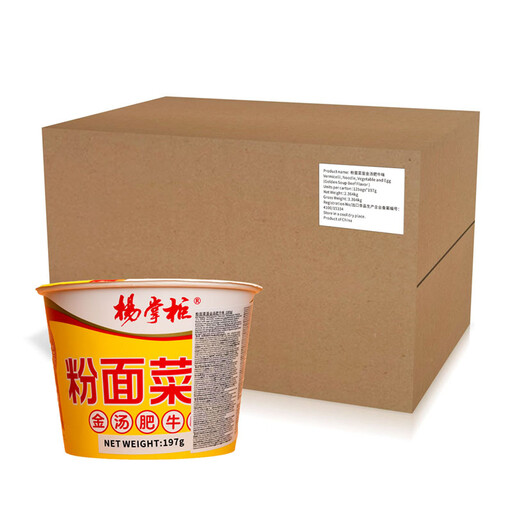
Why it suits this profile: This full box of 12 cups is practical for students, families and anyone looking to stock up on Chinese instant noodles. All you need is hot water and around 5 minutes of standing time.
The product information clearly states 197 g × 12, an egg-free version and allergens such as wheat, soya and sesame. This makes the serving size clear in advance.
Wheat noodles and vermicelli in one cup, with vegetable and seaweed sachets. Prepare with water at a minimum of 85°C and soak for around 5 minutes.
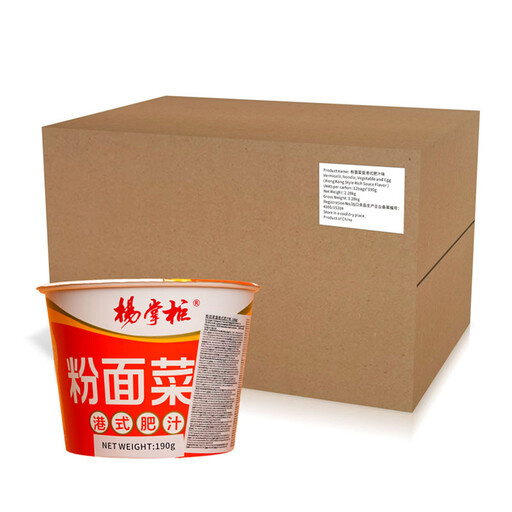
Why it suits this profile: The combination of wheat noodles, vermicelli, vegetables and marinated wakame is designed for fans of a generous Hong Kong-style cup meal.
The product description specifies the different sachets and states that it is an egg-free version. The allergens present are wheat/gluten, soya and sesame.
190 g per cup, 12 cups per box and a preparation time of around 5 minutes. The vinegar and sauce sachets create a sharp, spicy flavour profile.
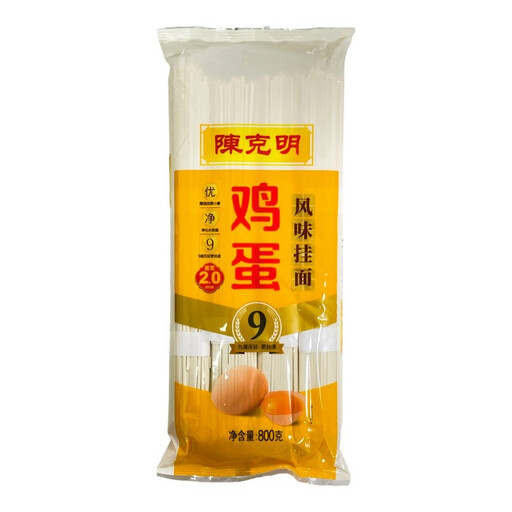
Why it suits this profile: These dry Chinese noodles are ideal for anyone who wants to create their own soups, stir-fries or noodle dishes with vegetables, without needing individual cups.
The packaging states 800 g and a preparation time of around 3 to 4 minutes. The ingredients list includes wheat flour, starch, salt and 0.5% whole egg powder.
A large pack for several meals, suitable for soups and stir-fries. Please note: this is not an egg-free option and contains wheat/gluten.
We have compiled a complete, up-to-date list of products that fully meet these strict selection criteria and the applicable European safety regulations.
A cup is quick to prepare, but you can easily customise the meal:
If you buy a multipack, also check the best-before date and the available space in your kitchen cupboard. A box of 12 cups can be economical if you eat them regularly, but is less suitable if you only want to try a new flavour occasionally.
No. The flavour profile varies from product to product. Hong Kong-style noodles with chilli and vinegar can be sharp and spicy, while beef varieties tend to have a milder or more savoury taste. You can often adjust the intensity by not adding all the sauce.
Check the exact best-before date on the packaging. Store unopened products in a cool, dry place away from direct sunlight. Once opened, prepare the noodles immediately and consume them according to the product instructions.
Some products include “halal” and “egg-free version” in the product title, including several Yang Zhang Gui varieties. Always check the halal logo, the latest ingredients list and the allergen information on the packaging. Egg-free does not automatically mean free from wheat, soya or sesame.
