
当日/次日达

品质保障

开启新人专享福利: 全场免邮 | 低至 2 折 | 免费试用 30 天 JoyPlus 会员
下载 Joybuy
The Chinese instant noodles aisle can be overwhelming. The packaging promises authentic flavours and quick, delicious meals. But too often, the experience ends in disappointment: a watery broth, limp noodles, and a taste that has little to do with what the packaging promised.
As a Joybuy Product Recommendation Officer, I see daily how marketing can distort reality. Before you buy another multipack you'll regret, let's discuss the three most common pitfalls and how to avoid them.
To avoid a bad purchase, it's helpful to know what to look for. It's not about flashy packaging, but about the contents. These are the three most important specifications to check.
The quality of the soup base determines 90% of the flavour. Look beyond just the powder sachet. The more flavourful options often contain multiple components:
The texture of the noodles is crucial. The packaging often indicates what type of noodle you can expect.
The image on the packaging is a serving suggestion. The actual contents usually consist of dried vegetables. However, higher-quality products include more, such as freeze-dried pieces of meat, tofu, egg, or more varied vegetables. This can be the difference between a simple snack and a satisfying quick meal.
To help you with your choice, we have selected a number of products that score well on the points above, each suiting a different preference.
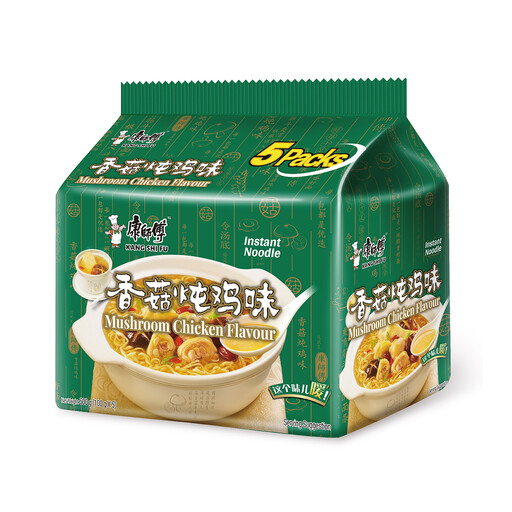
Why This Fits Their Persona: For those who need a quick, reliable, and affordable meal between studying or work. No fuss, just a classic and savoury flavour that always hits the spot.
This product bypasses the watery broth pitfall. The combination of a powder base, sauce, and vegetable flakes creates a layered, savoury chicken and mushroom flavour that isn't just salty.
Ready in 3 minutes, and the 5-pack is perfect for stocking the pantry. A reliable choice for a quick meal.
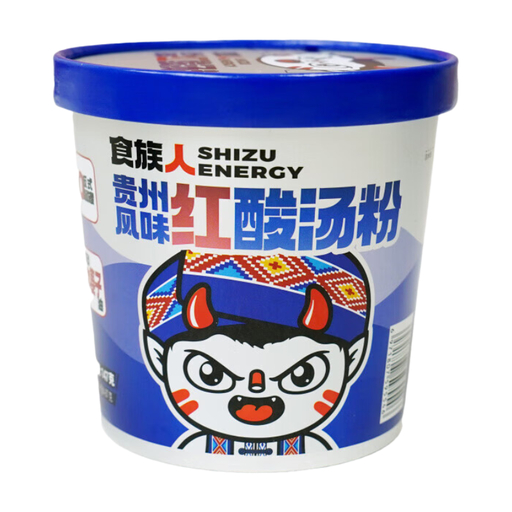
Why This Fits Their Persona: Perfect for foodies seeking an authentic, regional flavour that goes beyond standard chicken or beef. The sour and spicy notes are a true culinary journey.
This product avoids the "vague flavour promise." It delivers a specific, authentic Guizhou taste with a sour and spicy base, enriched with unique ingredients like Litsea cubeba oil and freeze-dried Houttuynia.
Complex, sour, and spicy flavour. The sweet potato noodles offer a superior, springy texture that doesn't get mushy.
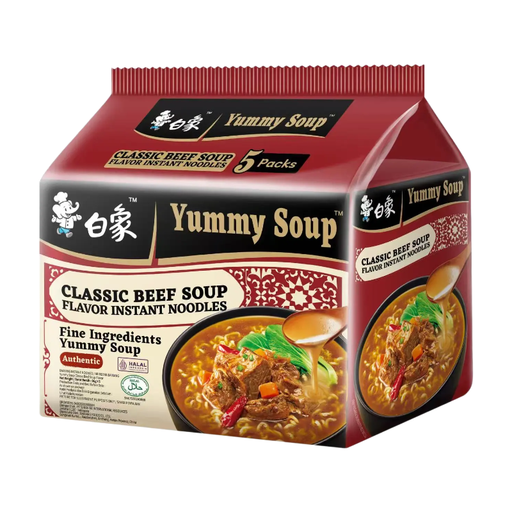
Why This Fits Their Persona: Ideal for families or individuals looking for halal noodles without compromising on flavour. The classic beef taste is accessible and loved by many.
This product offers a clear, reliable claim (Halal certification) and tackles the watery broth pitfall with a rich, deep beef broth that tastes like it's been simmering for hours.
Clearly Halal-certified. The broth is rich and flavourful, providing a restaurant-quality experience for a quick meal at home.
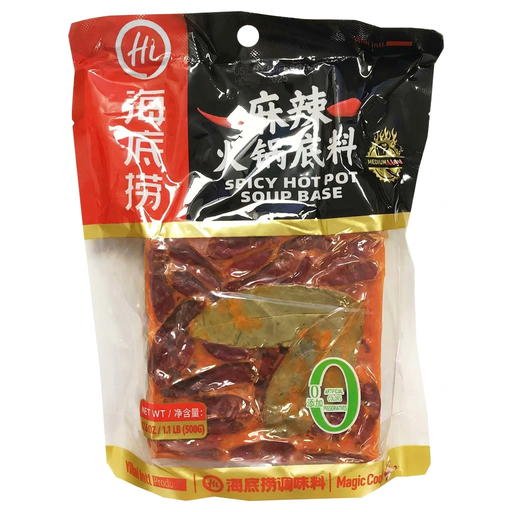
Why This Fits Their Persona: For those who want to take control and create an authentic hot pot or a custom bowl of spicy noodles. This isn't a complete meal, but the perfect, flavourful start.
This is the ultimate solution to watery broth. Haidilao is renowned for its extremely rich and complex soup bases. This is a concentrated, restaurant-quality base—the polar opposite of a flimsy powder sachet.
Authentic Sichuan flavour from a reputable brand. Highly versatile: use it for hot pot, as a base for an authentic Chinese soup, or even in stir-fry dishes.
The easiest way to upgrade your quick meal is by adding fresh ingredients. Think of a soft-boiled egg, some finely chopped scallions, fresh cilantro, a few slices of chicken breast, or some bean sprouts. A splash of soy sauce or chilli oil can also work wonders.
As with many convenience foods, it's all about balance. Instant noodles are designed for convenience and can be high in salt and fat. You can make a meal more balanced by adding fresh vegetables yourself. Think of it as a quick base, not a daily meal.
While there is a lot of overlap, there are general differences. Chinese instant noodles have a huge variety of regional flavours, from savoury beef broths to sour and spicy soups. Japanese varieties are often based on ramen styles like tonkotsu (pork bone), miso, or shoyu (soy sauce). Korean noodles are known for their spiciness, often with a base of gochujang (fermented chilli paste).
