
Vandaag of morgen in huis

Kwaliteit gegarandeerd

Welkomstaanbiedingen ontgrendelen: GRATIS bezorging | Tot 80% korting | Gratis 30 dagen JoyPlus-proefperiode
Download de app
A Chinese hotpot soup base makes it easy to prepare a pot of broth, meat, tofu, vegetables and noodles at home. However, products vary considerably in flavour, portion size, preparation method and salt content. Eye-catching packaging or a familiar brand name doesn’t automatically mean a product will suit the way you cook.
Pay particular attention to the ingredients, dilution instructions and versatility. That way, you can avoid buying a spicy hotpot soup base that’s too hot, or a sour soup base intended mainly for one specific dish.
Words such as “spicy”, “hot” or “Sichuan” don’t tell you how hot the soup base will be in your pot. Chilli, Sichuan pepper, pickled chillies and oil each affect the flavour differently. A Sichuan hotpot, for example, can be both hot and aromatic, while a mild base may taste mainly savoury and creamy.
If you’re unsure, start with part of the sachet. You can always add more spices, chilli oil or chillies later.
A 200-gram pack isn’t automatically suitable for a large group. Check how much water the manufacturer recommends. The Haidilao base with white pepper, pork stomach and chicken is intended for around 1,200 ml of water. Other products use 500 to 600 ml of water per serving.
A concentrated Chinese soup base can therefore make several meals, while a ready-to-eat meal kit is generally designed for one person.
Many hotpot seasonings contain soya, wheat, sesame, peanuts, fish or shellfish. Always check the label, especially if you’re cooking for several people. Salt content also varies considerably. Some sour soup bases list more than 8 grams of salt per 100 grams, while a meal soup may contain extra salt from the noodles, dipping sauce and other ingredients.
First, check the ratio of soup base to water:
According to the product information, Yumeng Basic Red Sour Soup recommends 50 to 80 grams for two to three people and 100 to 150 grams for four to six people. This makes it easier to measure than a product where you need to use the whole sachet.
Choose according to the dish you want to make:
Also check whether the base contains oil. A product with a high oil content gives the soup a richer mouthfeel, but may be less suitable if you’re after a lighter soup.
Check whether the base needs to be boiled first. Many products require you to dissolve the soup base fully and bring it to the boil before adding meat, fish or vegetables. According to the product information, opened packs often need to be refrigerated and used within the stated period.
A self-heating hotpot works differently from a regular hotpot on the hob. Never place the heating sachet in the inner container, and take care around hot steam. Always follow the instructions on the packaging.
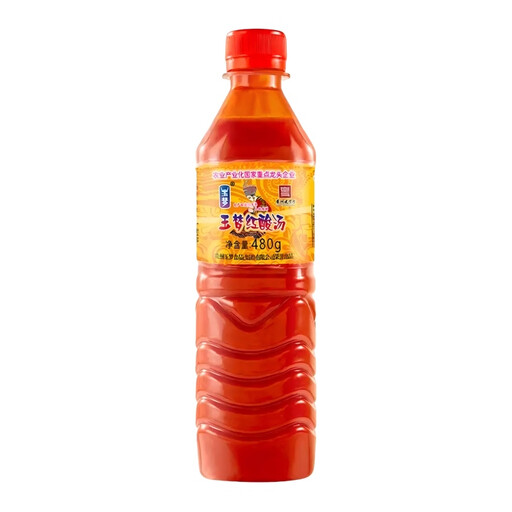
Why it suits this cooking style: The suggested quantities make this product practical if you’re trying a sour hotpot or soup base for the first time.
You don’t have to use the whole pack straight away. This lets you adjust the sourness and heat gradually.
480 grams; suitable for hotpot, noodles, fish and stir-fries; the ingredients list includes tomato and chilli.
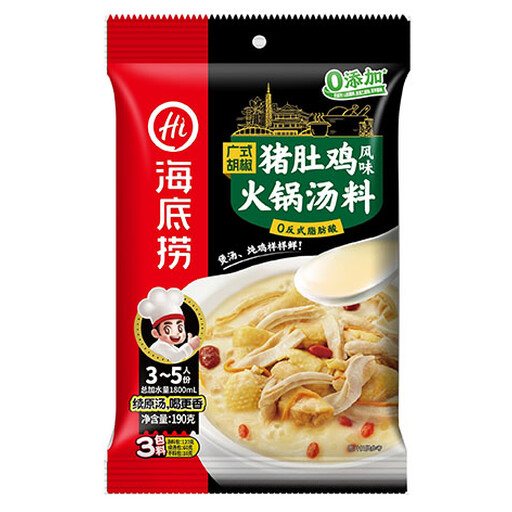
Why it suits this cooking style: This base is designed for a creamy, savoury soup with white pepper and clear preparation instructions.
The product information specifies 1,200 ml of water and a cooking time of three to five minutes, so you don’t have to guess how to prepare it.
Dual pack with 180 grams of soup base and 10 grams of dried ingredients; according to the label, contains soya, wheat and peanuts.
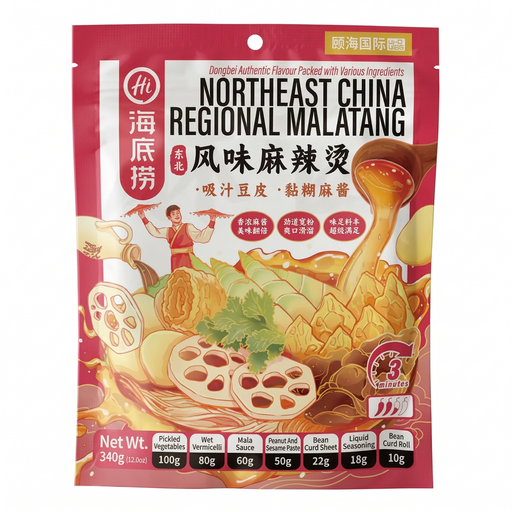
Why it suits this cooking style: As well as the soup base, the pack contains noodles, tofu, mushrooms, seaweed and balls for a substantial meal.
The contents are clearly listed, so you don’t need to buy several seasonings and basic ingredients separately.
340 grams; ingredients include chilli, Sichuan pepper, garlic and onion; contains wheat, soya and fish.
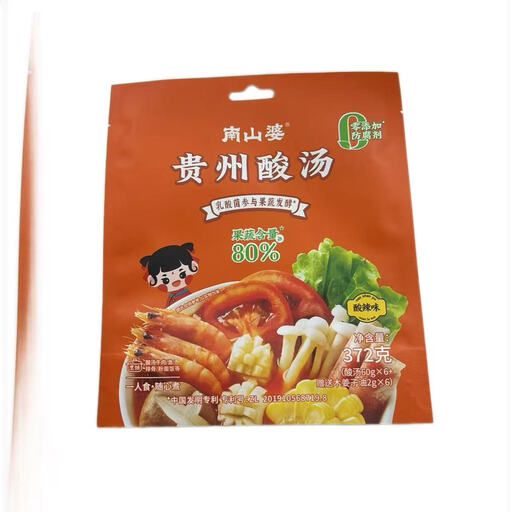
Why it suits this cooking style: According to the product description, this sour base can be used for soup, noodles, hotpot and rice noodle dishes.
The soup base and Sichuan pepper oil come in separate packs, so you can adjust the heat and aromatic oil independently.
372 grams; according to the label, the soup contains at least 80% tomato, chilli and other fruit; contains soya oil.
We’ve put together a complete, up-to-date list of products that meet these strict selection criteria and the applicable European safety requirements.
Fish, beef, tofu, bean sprouts and rice noodles all go well with a sour base. A spicy base often pairs well with mushrooms, cabbage, lotus root and glass noodles. Adjust the flavour with water rather than adding more salt.
It depends on the concentration and how many people you’re serving. Many products are intended for 500 to 1,200 ml of water. Check the packaging, and use a little less base to start with if you’re not familiar with the flavour.
Yes, many products are also suitable for noodles, stews or fish soup. A sour soup base with tomato and chilli, for example, works well as a base for sour noodle soup. Check that the salt content is suitable for the extra ingredients you’re adding.
Follow the storage instructions on the label. Many liquid or oil-based soup bases need to be refrigerated after opening and used within a short time. Seal the pack tightly, and don’t use the product if the packaging is damaged or its smell or appearance has clearly changed.
