
当日/次日达

品质保障

开启新人专享福利: 全场免邮 | 低至 2 折 | 免费试用 30 天 JoyPlus 会员
下载 Joybuy
Preparing hotpot at home can be simple, but the packaging does not always tell the full story. An appealing photo, words such as “authentic” and a familiar brand name reveal little about the required amount of water, level of heat, allergens or number of servings. With the right Chinese hotpot seasonings, you can prepare not only hotpot, but also noodles, soups, marinades and stir-fries.
In this guide, we compare popular options based on verifiable product information. This helps you avoid buying a soup base that is too salty, too spicy or impractically large for your household.
A mild hotpot soup base may still contain Sichuan pepper, chilli oil or white pepper. These ingredients create a gentle numbing or aromatic sensation. Always check the ingredients list rather than relying solely on the front of the packaging.
If you want to avoid heat altogether, a clear broth, a three-delicacies base or a tomato hotpot base is usually a better choice. These varieties are generally more accessible for children and guests with different taste preferences.
Preparation instructions vary considerably. A 110-gram package may, according to the product information, be intended for approximately 500 to 600 ml of water, while a 200-gram package may require 1 to 1.5 litres of water. The 220-gram Shoo Loong Kan Spicy Hot Pot Seasoning, for example, consists of two 105-gram sauce sachets and one 10-gram packet of dried spices; the product information specifies an amount suitable for approximately 800 grams of ingredients.
Therefore, check:
Chinese hotpot bases often contain oil, salt, soy products, wheat, sesame or flavour enhancers. Haidilao Three Delicacies Hot Pot Base lists, among others, mustard, sesame and shellfish allergens. Shoo Loong Kan varieties may contain soy and wheat. Always read the current label, especially if you have a food allergy.
Also pay attention to the salt content. In the supplied product information, this ranges from approximately 4.25 grams to 17.8 grams of salt per 100 grams, depending on the product. This difference affects not only the flavour, but also how much additional soy sauce or dipping sauce you will need.
The flavour variant determines which ingredients will work best:
A liquid sauce dissolves quickly, while a solid Chinese spice mix may need to melt first or be fried briefly in oil. For a weekday meal, single-use packages of 110 to 125 grams are practical. For a larger family or an evening with several guests, packages of 198 to 320 grams are more appealing.
A dual pack, such as some Shoo Loong Kan seasonings, can be convenient when you want to use the flavour across two cooking occasions. However, check whether the opened package needs to be refrigerated and used within the stated period.
A versatile base can also be used for:
Products with a pronounced mala or Sichuan profile are often well suited to stir-frying. A tomato base also works in pasta, casseroles and simple soups.
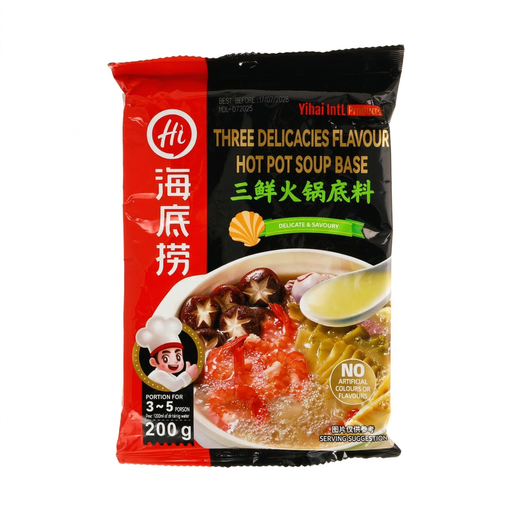
Why it’s a good fit: An approachable base for anyone making hotpot at home for the first time and looking for a savoury, non-spicy broth.
The preparation instructions specify 1 to 1.5 litres of boiling water. This makes the serving size clearer than with bases that provide no dosage guidance.
According to the product information, the base contains pickled mustard stem, kelp and shiitake, among other ingredients. Note the listed allergens: sulphites, sesame and shellfish.
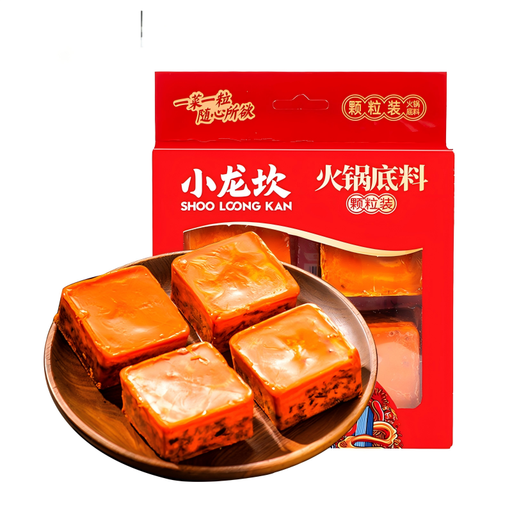
Why it’s a good fit: For a larger hotpot meal with meat, seafood, tofu and vegetables, where a Sichuan profile takes centre stage.
The instructions specify 1 litre of water and using the entire sachet. This makes it easier to assess the intensity in advance.
The product information lists Pixian bean paste and Sichuan pepper. The package contains 320 grams; the allergens are soy and wheat.
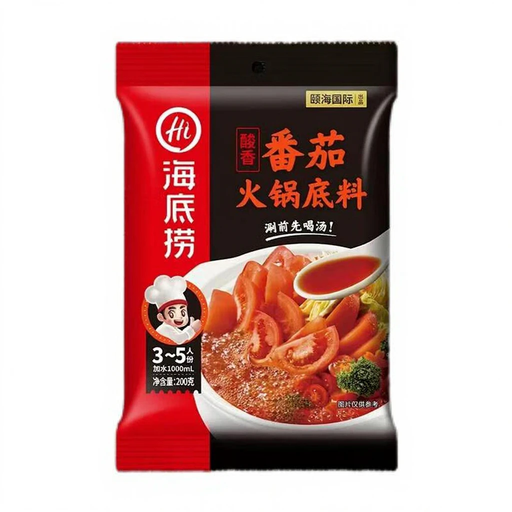
Why it’s a good fit: A non-spicy base with a familiar sweet-and-sour tomato flavour for a table with varied preferences.
The product description explicitly mentions use for hotpot, noodles, thick soups and stews. You are not buying a base intended for just one dish.
According to the label, the base contains at least 15% tomato purée and has a net weight of 200 grams. Contains wheat; refrigerate after opening according to the product information.
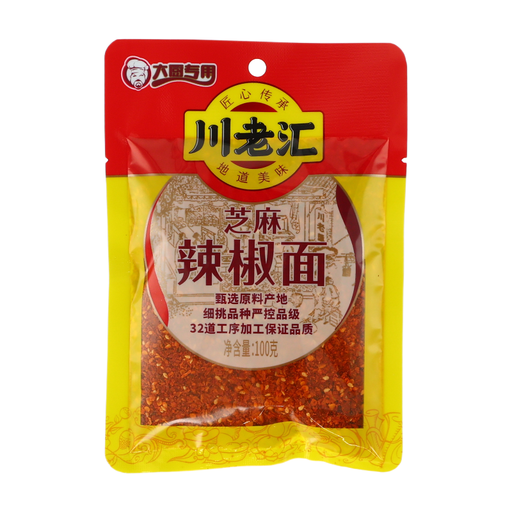
Why it’s a good fit: Convenient for anyone who wants to adjust the heat for each person and use one Chinese spice mix across multiple dishes.
You do not need to prepare an entire pot of spicy soup straight away. Add the mix gradually as a dip, dressing, chilli oil or topping.
According to the product information, the mix consists of chilli, sesame and vegetable oil and is ready to use. Sesame is a listed allergen.
Use a wide pan or electric hotpot and add the specified amount of water first. Stir the soup base until fully dissolved before adding any ingredients. Start with foods that take longer to cook, such as carrots, corn, potatoes or firm tofu. Add thinly sliced meat, leafy greens and noodles later.
Place a separate bowl on the table for hotpot dipping sauce. According to the product information, a ready-made 120-gram Haidilao Hotpot Dipping Sauce Spicy can be served with hotpot, noodles and dumplings. Refrigerate after opening and use promptly. Always check the packaging for the latest storage instructions.
For extra aroma, add spring onion, garlic, ginger, sesame or Sichuan pepper. Add salt and soy sauce only at the end; many Chinese hotpot seasonings already contain a substantial amount of salt.
Browse a current selection of Chinese hotpot seasonings, soup bases, dipping sauces and flavourings, with product specifications for different taste preferences and serving sizes.
A mild base, clear broth or tomato hotpot base is generally easier to portion than an intense mala base. Check the required amount of water and add extra chilli or Sichuan pepper only once the broth has reached the desired flavour.
This varies by product. According to the product information, some sauces must be refrigerated and used within a few days or weeks. Dried seasonings should generally be stored sealed, in a cool, dry place. Always follow the date and instructions on the packaging.
A hotpot soup base is dissolved in water or stock and forms the cooking liquid. A hotpot dipping sauce is served at the table with cooked ingredients. You can combine both: a mild broth with a spicy dipping sauce gives everyone at the table greater control over the flavour.
