
Same-day & Next-day Delivery

Quality Guaranteed

Unlock Your Welcome Offers: FREE Delivery | Up to 80% OFF | Free 30-day JoyPlus trial
Download the APP
Chinese hotpot meatballs are a convenient choice for a quick meal, but not every pack is suited to the same dish. Some meatballs mainly contain fish paste or starch, while others have a filling of meat, stock or vegetables. Preparation methods also vary. If you rely solely on an appealing product photo or the word “authentic”, you could end up buying a product that does not match your preferred texture, portion size or allergy requirements.
This guide will help you compare Asian meatballs, frozen hotpot meatballs, fish balls and beef meatballs objectively.
The characteristic springy texture of Chinese meatballs can come from a combination of fish paste, meat, starch, water and binding agents. So check the quantitative ingredients list. A product containing 65% beef has a different composition from a meatball made by combining meat with chicken, bacon, water and potato starch.
The percentage does not tell you everything about the flavour, but it does help you compare products more fairly.
Filled meatballs can have a savoury centre, but the filling may consist of meat, stock or a combination of ingredients. The outside and centre may also be prepared differently. In a boiling hotpot, the liquid filling can become hot before the outside feels soft.
Always check the preparation instructions and bite into filled meatballs carefully.
Chinese fish balls and meatballs may contain fish, molluscs, egg, soya, wheat and sesame. This also applies when a product is presented primarily as a beef or pork meatball. Check the allergen information on both the product page and the packaging. The packaging takes precedence if the information changes.
For a clear comparison, look at:
A higher amount of fish or meat is a measurable difference in composition, but it is no guarantee that everyone will enjoy the flavour.
Most frozen hotpot meatballs are not ready to eat cold. They must be heated thoroughly. Many products can be added directly from the freezer to boiling water or stock; other filled varieties need to be defrosted first. Always follow the specific instructions on the packaging.
Several products specify a cooking time of around 5 to 8 minutes, often until the meatballs float to the surface. This is a useful guide, but also check that the centre is piping hot. Do not eat the meatballs raw and make sure they are heated evenly.
Store the products at -18 °C or colder and do not refreeze them after defrosting. For a hotpot, plan to serve several varieties per person and combine the meatballs with leafy vegetables, tofu, mushrooms, noodles and a stock base. A 200-gram pack is useful for a small meal or as an extra addition; 360 to 500 grams is more suitable for a table with several diners.
Also check the salt content. According to the nutritional information provided, this ranges from around 1.1 to 2.3 grams of salt per 100 grams for various products. The meatballs are often eaten in stock, which can quickly make the overall meal saltier.
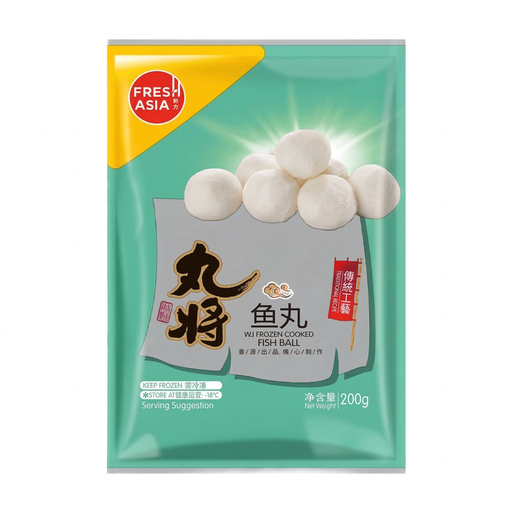
Why it suits this profile: The 200-gram pack is practical for a first hotpot, soup or stir-fry, without building up a large stock of ingredients.
The product contains 50% fish meat and provides clear preparation methods, so you do not have to rely solely on general marketing language.
200 grams; suitable for hotpot, soup, stir-frying, deep-frying and pan-frying; contains fish and soya.
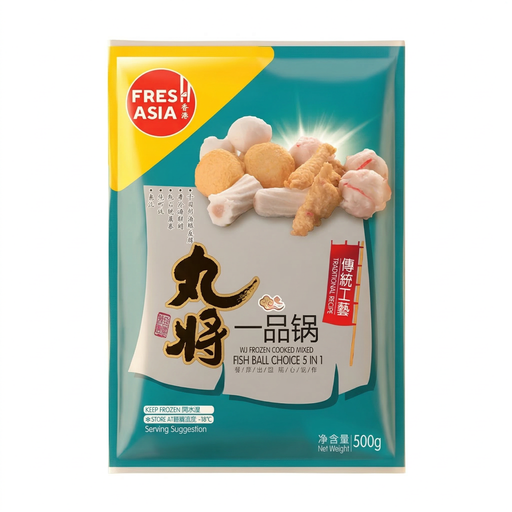
Why it suits this profile: If you want to serve a range of textures and flavours, one pack gives you a mixed selection for an impressive hotpot.
The product information specifies 70% fish surimi and lists ingredients including squid and crab flavouring; the allergen list makes the composition easy to verify.
500 grams; five varieties in one selection; suitable for hotpot, soup, stir-frying and deep-frying.
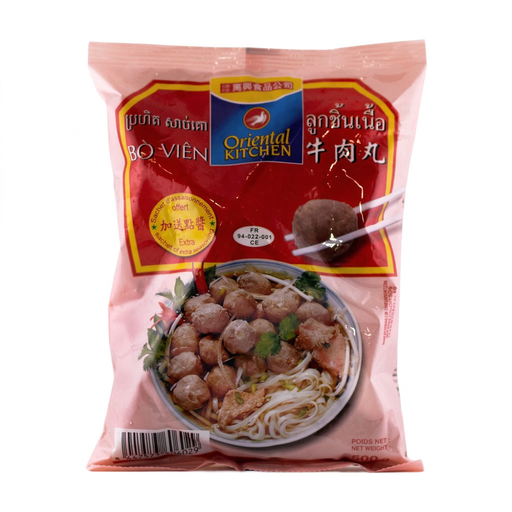
Why it suits this profile: This larger pack makes sense for regular hotpot evenings, noodle soup or several meals.
The product page specifies 65% beef and a net weight of 500 grams. This makes the meat content and portion size clear from the outset.
65% beef; 500 grams; suitable for hotpot, soup, stir-fries and grilling; contains wheat and fish.
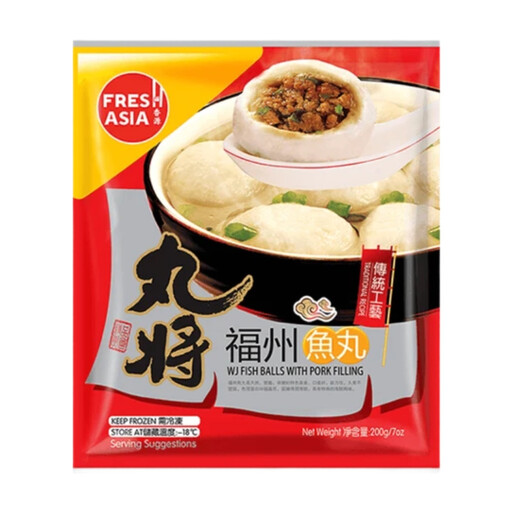
Why it suits this profile: These Fuzhou-style fish balls are designed for anyone looking for a soft fish-paste exterior with a savoury filling.
The ingredients list the fish paste and filling with pork, soya and sesame separately. The preparation instructions also warn that the product must be heated thoroughly.
200 grams; filled Fuzhou style; suitable for clear soup, noodles and hotpot; contains fish, wheat, soya and sesame.
We have compiled a complete, up-to-date list of products that fully meet these strict selection criteria and the applicable European safety regulations.
You can with many products. Wan Jiang Fish Ball, FRESHASIA Mixed Fish Balls and various Meng Fu products state that they can be added directly while frozen. There are exceptions: some filled beef meatballs specifically state that they need to be defrosted. Always check the instructions for the product you have chosen.
For many Chinese fish balls, allow around 5 to 7 minutes in boiling water or stock. The exact time depends on the size and filling. Check that the product is piping hot throughout and follow the packaging instructions.
Fish balls, beef meatballs, pork meatballs and filled meatballs can all be used in soup or noodles. Choose fish balls for a lighter texture, beef meatballs for a firmer bite and filled varieties when you want extra filling in every mouthful. Always check the allergens, salt content and preparation method.
