
Vandaag of morgen in huis

Kwaliteit gegarandeerd

Welkomstaanbiedingen ontgrendelen: GRATIS bezorging | Tot 80% korting | Gratis 30 dagen JoyPlus-proefperiode
Download de app
A jar of pickled vegetables may seem simple to choose, but the difference between a refreshing side dish and an overly salty disappointment often comes down to the details. Looking for Chinese pickles, Turkish gherkins or spicy pickles to serve with rice and noodles? Don’t rely on the photo or words such as “traditional” and “extra spicy”.
The product description and label usually offer better clues. Check the quantity, ingredients, allergens, nutritional information and storage advice in particular. That way, you can avoid buying a large pack you won’t finish in time, or choosing a flavour that doesn’t go with your meal.
A 700 or 800 gram pack may seem appealing for families, but pickled vegetables often have a strong salty, sour or spicy flavour. If you only eat pickles occasionally, it’s better to start with a smaller pack or individual portions.
Also check the drained weight, if it’s listed. The net weight may include both the vegetables and the brine.
The level of spice varies from product to product. Pickled cucumber can be mainly sour and crunchy, while pickled chillies, chicken feet or bamboo shoots may contain considerably more chilli. So look for specific ingredients such as chilli, chilli paste, habanero or hot sauce.
With products that use a blended seasoning, it’s also important to read the full ingredients list. This may include egg, soya, mustard or sulphites.
Many pickles can be stored unopened in a cool, dry place. This often changes once they’re opened. Products such as pickled ginger, pickled mustard greens and pickled bamboo shoots may need to be refrigerated and used promptly, according to the product information.
Always follow the date and instructions on the packaging. Also check the packaging for damage before use.
First, think about how you want to use your pickled vegetables:
A product that’s ready to eat doesn’t need to be heated. That makes many of these ready-to-eat Asian side dishes handy for busy weekdays.
Pickled vegetables often contain salt, as brine is part of the preserving process. However, levels can vary considerably. For example, the available product information lists 5,99 grams of salt per 100 grams for FSG Dried Radish-Spicy and 2,8 grams per 100 grams for Be&Cheery Pickled Pepper Crispy Bamboo Shoots.
So compare the nutritional information per 100 grams, rather than looking only at the serving size. Some sweet-and-sour gherkins contain added sugar, while other products use sweeteners. For example, Obento pickled ginger is listed as containing aspartame, a source of phenylalanine.
Check the label carefully, especially if you have an allergy or want to avoid certain ingredients. Potential allergens in this selection include:
Always follow the information on the packaging, as recipes and labels may change.

Why it suits this profile: The 320 gram pack is a manageable size if you’re trying different pickled cucumber products for the first time. Its sweet-and-sour flavour goes well with snacks, sandwiches and meals.
The ingredients and nutritional information are clearly listed. It’s smaller than many family-sized packs, so you’re less likely to buy more than you need.
320 grams; sweet-and-sour flavour; ideal as a snack or flavour enhancer. Contains mustard seeds, dill, paprika and onion.
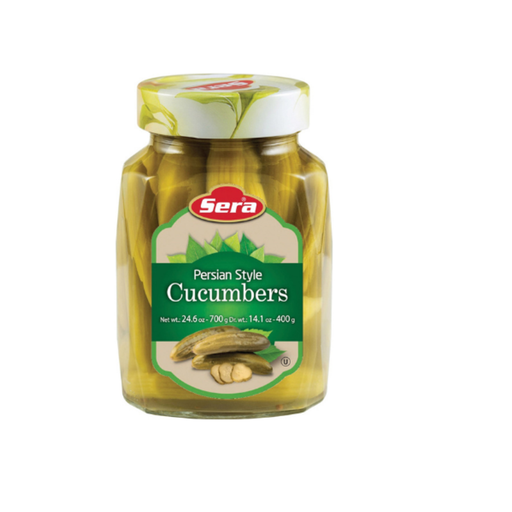
Why it suits this profile: A generous jar for fans of Turkish gherkins who regularly serve a crunchy side dish or put together a sharing platter.
The product description specifies the 700 gram size and suggests serving it as a snack or side dish. This helps you choose a pack to suit family meals and entertaining.
700 grams; cucumber in brine; made for snacking, meals and side dishes. Check the label for the latest nutritional information.
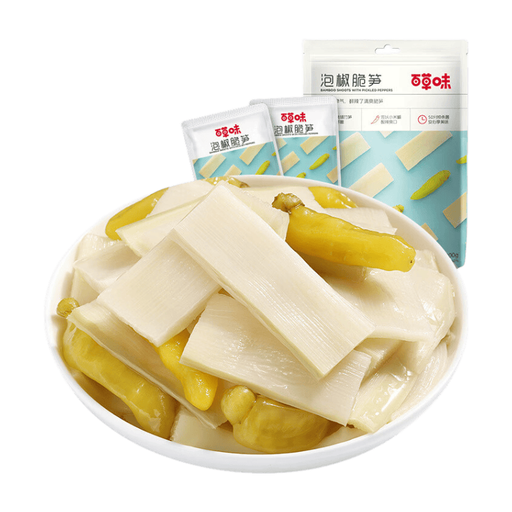
Why it suits this profile: A practical choice if you often cook Asian meals and want one pack to use with noodles, rice, soups and stir-fries.
The product information states that it contains at least 3% pickled small chillies and lists 2,8 grams of salt per 100 grams. This gives you a clearer idea of the flavour and ingredients before you buy.
200 grams; 20 kcal per 100 grams according to the product information; ready to serve with rice, noodles or congee.
We’ve put together a complete, up-to-date list of products that meet these strict selection criteria and the applicable European safety regulations.
Serve Turkish gherkins alongside bread, cheese, grilled meat or a vegetarian dish. Finely chop pickled garlic and stir it into a salad or sauce. Chinese pickles such as mustard greens and dried radish go well with white rice, noodles, congee and steamed buns.
Pickled ginger makes a refreshing accompaniment to sushi and rice dishes. You can serve bamboo shoots straight from the pack or add them to soup or a stir-fry. Rinse a product only if you want to tone down the brine; this may also wash away some of the flavour.
It depends on the product and packaging. Store opened pickled vegetables according to the label, often in the fridge and tightly sealed. Use clean cutlery and consume the product within the stated period.
No. Sweet-and-sour cocktail gherkins and pickled garlic are generally milder in flavour. Products containing chilli, chilli paste, hot sauce or peppers are likely to be spicier. Check the ingredients if you’re sensitive to strong flavours.
Compare the net weight, ingredients, allergens, salt and sugar levels, shelf life and storage conditions. Then choose based on how you’ll use them: as a snack, side dish, topping or flavour enhancer. That way, you’re choosing based on verifiable product information, not just an appealing product photo.
