
Livraison le jour même et le lendemain

Qualité garantie

Débloquez vos offres de bienvenue: Livraison GRATUITE | Jusqu'à -80 % | 30 jours d'essai gratuits à JoyPlus
Téléchargez l'application
Chinese garlic sauce can quickly add more flavour to a simple meal. Yet many jars look similar, while they differ greatly in heat, salt content, texture and use. A sauce that works well as a dip can be too salty in a stir-fry. A garlic product with lots of oil isn’t automatically suitable for everyday use.
This buying guide helps you compare Chinese garlic sauces based on verifiable information on the label. That way, you can choose more purposefully for stir-frying, noodles, marinades, hotpot or as a snack.
The label “spicy garlic sauce” doesn’t tell you how much chilli or garlic it contains. So look at the ingredients list. LEE KUM KEE Minced Garlic Sauce contains 25% garlic according to the product information. Lee Kum Kee Chilli Garlic Sauce lists 5% dried garlic, alongside 59% salted chillies. You’ll usually notice that difference in aroma and intensity.
Sugar and salt also affect the flavour. The Minced Garlic Sauce contains 14g of sugar and 5.8g of salt per 100g. The Chilli Garlic Sauce contains 15g of sugar and 8g of salt. So use a saltier sauce carefully in combination with soy sauce, oyster sauce or stock.
A product description might mention stir-frying, dipping, marinating and noodles. That mainly means the sauce is recommended for those uses, not that every application needs the same amount. A Chinese dipping sauce is often used straight away, whereas a garlic sauce for stir-frying is better heated briefly with oil and ingredients first.
Also note the difference between a sauce and a flavour enhancer:
Many sauces need to be refrigerated after opening. This applies to the Lee Kum Kee sauces, HDL Garlic Hot Pot Dipping Sauce and Liubiju Pickled Sweet Garlic with Osmanthus. Always check the label and the recommended use-by period after opening.
For products with lots of oil or fresh garlic, it’s important to work cleanly: use a clean spoon, seal the packaging properly and don’t leave the jar at room temperature for long. Instructions can vary from product to product.
The garlic percentage is a practical point of comparison, but not the only one. HDL Garlic Hot Pot Dipping Sauce states 65% garlic and has an oily texture. That makes this sauce logical for hotpot or as a flavoured oil, but less suitable when you’re looking for a light, runny dipping sauce.
For a sauce with chilli, oil and sugar, the ratio between these ingredients determines how strong the flavour is. A product with ginger, such as NONG GENG JI Chopped Chilli Sauce with Ginger & Garlic, has a different flavour profile from a simple garlic chilli sauce.
Compare the nutritional information table, especially if you use the sauce often. Examples from the product information:
These figures help you determine portion size. They don’t directly tell you about taste preference, but they do make products more objectively comparable.
Check whether the product contains soya, wheat or other allergens. The Lee Kum Kee Black Bean Garlic Sauce contains soya and wheat according to the label. The HDL sauce contains soya. For several of the Chinese garlic products in this selection, “no allergens” is stated, but always check the actual packaging.
Also look out for “ready to eat” versus “cooking required”. A sauce can be edible straight away as a dip, while the final dish still needs to be heated thoroughly.
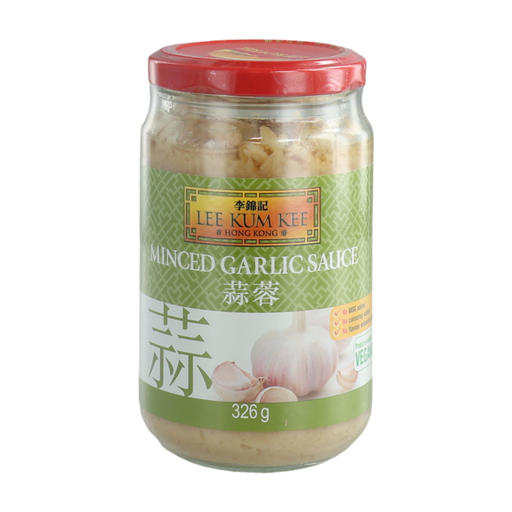
Why this fits the profile: A ready-to-use sauce in a 326g jar for anyone wanting to start with one product for stir-frying, dipping, marinating and flavouring noodles.
The stated garlic content of 25% makes the composition easier to compare than a vague claim about garlic flavour. You can adjust the amount of chilli yourself.
326g, ready to use and according to the product information suitable for dips, stir-fries, marinades and noodles.
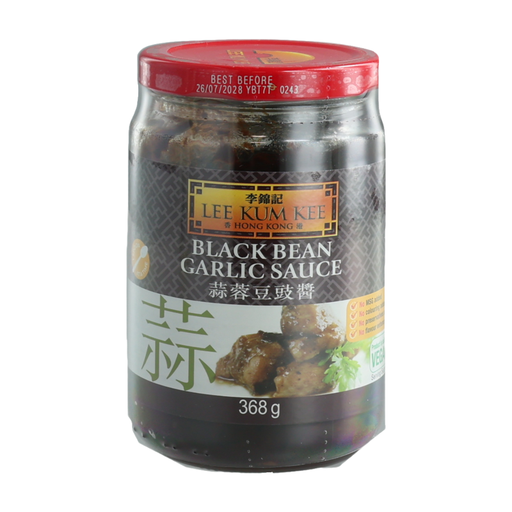
Why this fits the profile: For home cooks looking for a deep, savoury flavour for Chinese dishes who prefer a ready-made base.
The ingredients list mentions fermented black beans, garlic, soy sauce and allergens. So you know this isn’t a general chilli sauce.
368g; suitable as a base for stir-fries, steamed dishes and marinades. Contains soya and wheat.
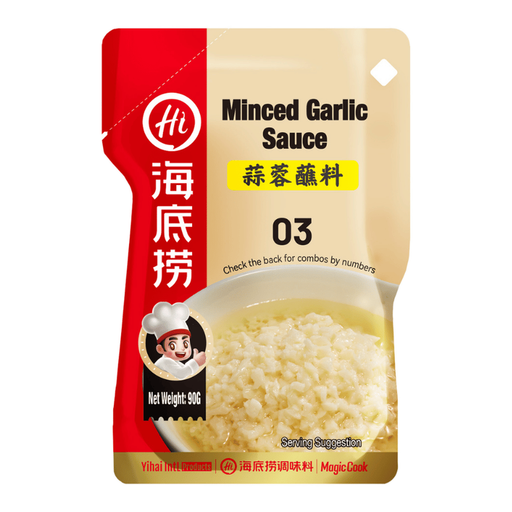
Why this fits the profile: Aimed at hotpot lovers who want a compact, oily garlic dip to use straight at the table.
The packaging states 65% garlic and 90g content. So you’re buying a specific hotpot product, not a large jar for all purposes.
Ready to use with hotpot, cold dishes and barbecue. Contains soya and, due to its oil and salt content, requires small portions.
We’ve put together a full, up-to-date list of products that fully meet these strict selection criteria and current European safety regulations.
For a milder, sweeter accompaniment, Liubiju Pickled Sweet Garlic with Osmanthus 290g is a distinctive choice. This is pickled garlic with osmanthus, intended as a snack or side dish with hotpot, stir-fries, noodles and dumplings. According to the information, the product contains 23g of sugar and 2.16g of salt per 100g.
If you’re mainly after a snack, you could look at Xiangduoduo Garlic Peas 80g or YUNSHANBAN Garlic Crispy 200g. The first consists of roasted green peas with garlic seasoning and contains wheat. The second consists of garlic, vegetable oil, starch and salt. Both are ready to eat, but don’t fall into the same category as Chinese garlic sauce.
A ready-to-use garlic chilli sauce, such as LEE KUM KEE Minced Garlic Sauce or NONG GENG JI Chopped Chilli Sauce with Ginger & Garlic, can be mixed straight through noodles. Start with a small amount and add sesame oil, rice vinegar or soy sauce if you like. First check the salt content to avoid a combination that’s too salty.
This varies from product to product. Store sauces that require it in the fridge and follow the packaging. Use a clean spoon, seal the jar immediately and watch for changes in smell, colour or texture. The stated best-before date doesn’t automatically apply as a usage guide after opening.
Yes, several products are recommended for marinades according to their product information. Lee Kum Kee Chilli Garlic Sauce and Black Bean Garlic Sauce are examples of this. Bear in mind the salt and sugar content: don’t marinate meat, tofu or vegetables for longer than necessary and don’t automatically add extra soy sauce.
