
Vandaag of morgen in huis

Kwaliteit gegarandeerd

Welkomstaanbiedingen ontgrendelen: GRATIS bezorging | Tot 80% korting | Gratis 30 dagen JoyPlus-proefperiode
Download de app
Chinese frozen snacks are handy for a quick breakfast, a light meal or a dim sum moment at home. You don’t need to follow complicated recipes: steaming or reheating is usually all it takes. However, products can vary considerably in their fillings, cooking times, portion sizes and allergens.
If you choose based only on attractive packaging or claims such as “handmade”, you may be in for a surprise. Use these points to help you choose from the range of Chinese steamed buns, bao buns, siu mai, shaomai, Chinese dumplings and other quick-to-prepare Chinese snacks.
“Cook from frozen” doesn’t mean every product will be ready in just a few minutes. Some siu mai need to steam for 8 to 10 minutes once the water is boiling. Larger Chinese steamed buns may need 10 to 12 minutes, for example. Products made with raw dough must be cooked through completely.
Always check:
A vegetable filling can still contain wheat, soya or sesame. This applies, for example, to vegetarian bao buns made with wheat-flour dough and seasonings such as soy sauce or sesame oil. If you have an allergy, check the full ingredients list and any warning about possible traces.
Pay particular attention to cereals containing gluten, soya, sesame, milk, egg, peanuts and crustaceans. Product information can change between packaging updates, so always follow the information on the pack.
A 240, 300, 480 or 550 gram pack doesn’t automatically tell you how many people it will serve. Siu mai are often individually wrapped or divided into small portions, while bao buns and white steamed buns may provide several servings.
Frozen products generally need to be stored at -18 °C or below. According to the product information provided, they must not be refrozen once defrosted. Make room in your freezer and check the use-by date on the packaging before you order.
Steaming helps many bao buns, steamed buns and siu mai keep their soft texture. Use baking paper or lightly grease your steamer basket to prevent sticking. A microwave is quicker, but some products need a few drops of water and should be covered. Always follow the specific instructions.
The product information for scallion rolls also recommends steaming them from frozen. The Freshasia version contains 12 individually wrapped 25-gram rolls. This makes portioning easy, but the product should be cooked straight after opening.
Compare more than just the name: check the ingredients and nutritional values per 100 grams too. A vegetarian bun filled with tofu, vermicelli and shiitake has a different composition from siu mai containing glutinous rice, pork or salted egg yolk.
Check, for example:
Choose Chinese frozen snacks based on when you want to eat them:
Xiang Yue drinks are made with a tea bag, milk powder, sweet red beans and brown sugar syrup. They aren’t prepared from frozen, but they’re a handy addition to an Asian snack spread. They contain milk; also take note of the warning about hot liquid and whole red beans for young children.
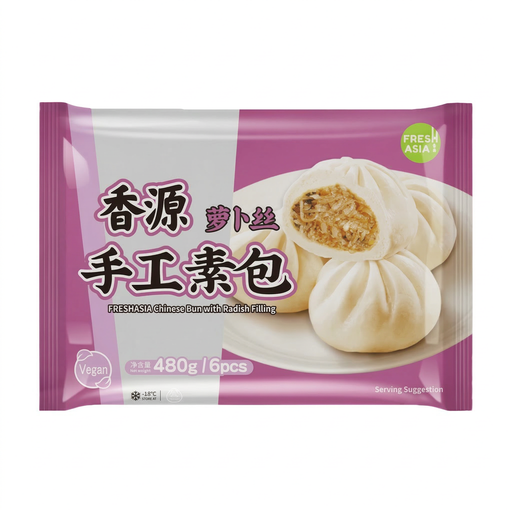
Why it suits this shopper: These vegetable buns are a great introduction to Chinese steamed buns. The 480-gram pack is suitable for breakfast, a light meal or a vegetarian snack.
The cooking instructions recommend steaming from frozen for 10-12 minutes, or microwaving for 60-90 seconds. The allergens wheat, soya and sesame are clearly listed.
The filling contains radish, carrot, vermicelli and shiitake; according to the product information, it has 196 kcal and 0.8 grams of salt per 100 grams.
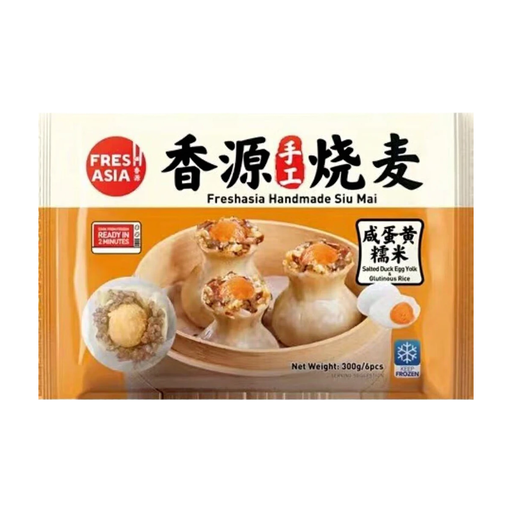
Why it suits this shopper: The combination of glutinous rice, pork and salted egg yolk is a good choice if you’re after a richer dim sum filling for a more substantial meal at home.
There’s no need to defrost: steam the siu mai from frozen for 8-10 minutes. The instructions say to heat the product thoroughly; it isn’t suitable for eating raw.
300 grams per pack; according to the product information, it has 216 kcal, 8 grams of fat and 1 gram of salt per 100 grams.
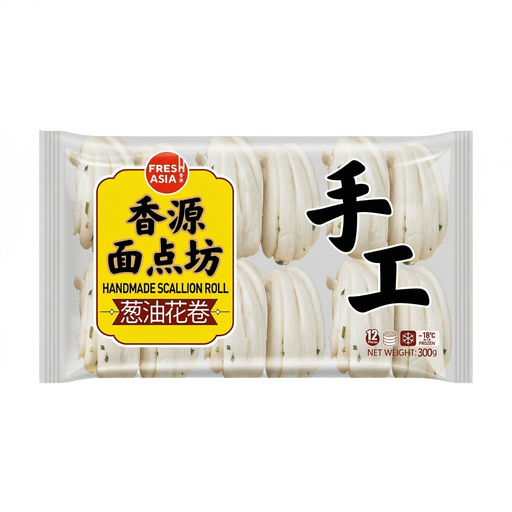
Why it suits this shopper: With 12 individually wrapped rolls, this product is convenient for several breakfasts or snack breaks. The scallion rolls can be steamed from frozen.
The pack clearly states the number of rolls and how to prepare them. The product contains wheat and soya and needs to be heated; it isn’t intended to be eaten raw.
12 rolls per pack; according to the product information, it has 275 kcal and 0.95 grams of salt per 100 grams.
We’ve put together a complete, up-to-date list of products that meet these strict selection criteria and the applicable European safety regulations.
Use a steamer basket with enough space between the products. This helps prevent bao buns and siu mai from touching and allows the heat to circulate more effectively. Bring the water to the boil first, then start timing the recommended steaming time. If in doubt, check that the centre is piping hot.
Store unopened products at the freezer temperature shown on the packaging. Once defrosted, don’t put a product back in the freezer. For milk tea, store the sachets in a cool, dry place and follow the preparation instructions, using water at a minimum of 85 °C.
Most of the bao buns and siu mai in this selection can be steamed straight from frozen. Cooking times vary by product, so follow the instructions on the packaging and make sure the filling is piping hot. A microwave option isn’t available for every product.
Siu mai and shaomai are names for an open, usually steamed dumpling. Fillings vary, from glutinous rice and vegetables to pork, mushrooms or salted egg yolk. So don’t just go by the name: check the ingredients list too.
The shelf life is shown on the packaging and applies as long as the product is stored at the recommended temperature. Frozen products should generally be stored at -18 °C or below. Defrost them according to the instructions and don’t refreeze them once defrosted.
