
Same-day & Next-day Delivery

Quality Guaranteed

Unlock Your Welcome Offers: FREE Delivery | Up to 80% OFF | Free 30-day JoyPlus trial
Download the APP
Chinese frozen products are handy for a quick meal, a dim sum lunch or an evening with hotpot. Yet an attractive product photo says little about what you’ll actually end up with in the pan. Pay particular attention to the cooking method, portion size and allergens. That way, you can avoid a pack being too small, a product not suiting your kitchen, or overlooking an ingredient.
Words like traditional, premium or authentic are no guarantee of flavour or composition on their own. So check the ingredients list, the country of origin, the amount of the main ingredient and the cooking instructions.
With dumplings, the difference can be significant. One variety, for example, contains a clearly stated percentage of pork or beef, while another consists mostly of dough, oil and binders. That’s not necessarily a bad thing, but it does determine what you’re buying.
Many Asian frozen products can be cooked straight from the freezer, but not all in the same way. Bao buns are usually steamed, dumplings can be boiled, steamed or pan-fried, and hotpot ingredients need to be fully cooked in broth.
A microwave option isn’t always suitable for every product either. Check whether the packaging gives instructions for steaming, boiling, frying or deep-frying and follow the stated time and temperature.
Most Chinese frozen products need to be stored at -18 °C or lower. A product that has partially thawed should generally not be refrozen, according to the product information. On receipt, check that the packaging is still properly frozen and put products straight into the freezer.
Also note the difference between frozen products and shelf-stable Asian groceries. Vitasoy soya milk, for example, is intended for cool, dry storage and must be refrigerated after opening and used within 24 hours. So it doesn’t belong in the same category as frozen dim sum.
Always check the bold allergens on the label. Many Chinese dim sum products contain wheat, soya, sesame, egg, milk, peanuts, fish or shellfish. Siu mai with mushroom, for instance, may contain wheat, soya and sesame. A fish ball with crab flavour may contain fish, shellfish, egg and wheat.
Even with products that have a short ingredients list, the label remains the deciding factor. Recipes can change, and product information online may differ from the packaging.
A pack of 200 or 240 grams is suitable as a snack or side, but may be limited as a main course. For a family or a hotpot evening, packs of 400 to 600 grams are often more practical. Also check whether the contents are individually wrapped. That makes it easier to prepare only the amount you need.
Examples of clear quantities include a 270-gram pack of cha siu bao, 600 grams of dumplings or 500 grams of mixed tofu ingredients for hotpot.
Products that can be cooked straight from the freezer save time. For some bao buns, 8 to 10 minutes of steaming is enough. Other siu mai need 10 to 15 minutes. Wontons can be cooked in boiling water for 6 to 7 minutes, according to the product information.
Don’t use a general cooking time for every product. Check that the centre is piping hot all the way through. For products with raw dough or raw filling, it is often explicitly stated that they must be thoroughly heated.
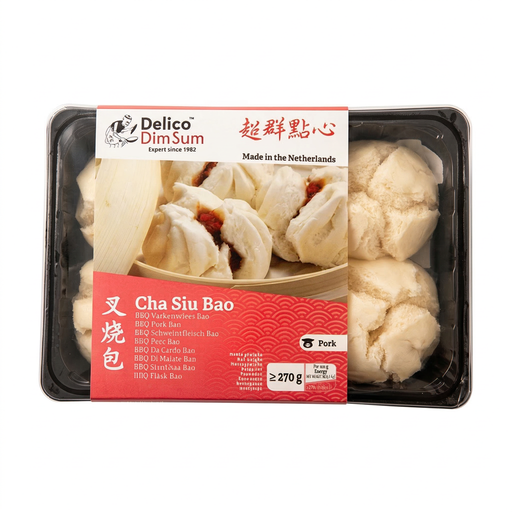
Why this fits the profile: These steamed bao buns offer a straightforward introduction to Chinese dim sum. According to the product information, they can be steamed from frozen in 8–10 minutes.
The packaging states a specific cooking time and storage temperature. So you don’t have to rely on vague cooking claims.
270 grams; steam from frozen; pork filling with clear allergen information for wheat, soya and sesame.
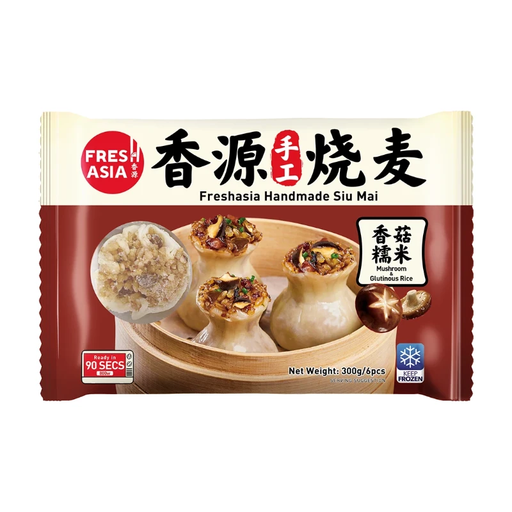
Why this fits the profile: Ideal for those who value thin pastry, a generous filling and a clear dim sum texture. The product information states individually frozen portions.
The instructions give 10–15 minutes of steaming and warn that the product must be fully heated. That prevents guesswork with cooking.
300 grams; mushroom and glutinous rice as main ingredients; can be cooked without defrosting first.
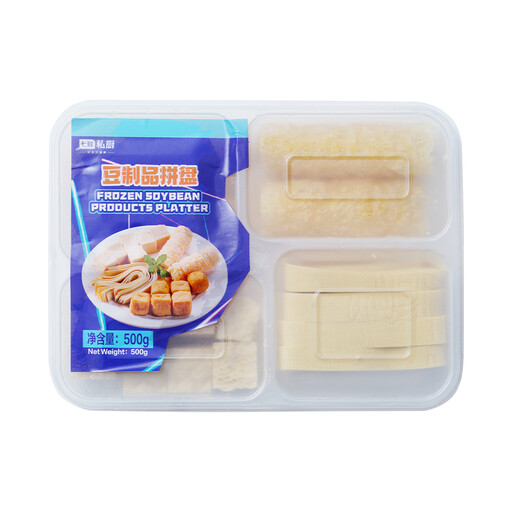
Why this fits the profile: A practical choice for regular hotpot eaters who want to combine different textures in one pack.
The contents are clearly described: frozen tofu, soya skin, tofu puffs and fried tofu rolls. So you’re not buying an unclear mix.
500 grams; four different soya products; suitable for hotpot and can be cooked according to individual cooking times.
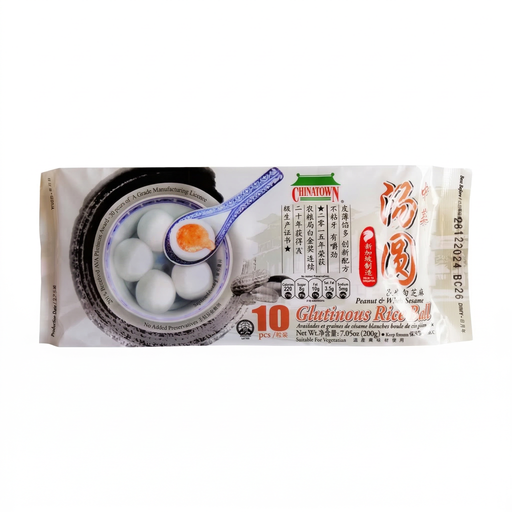
Why this fits the profile: For those who like to serve a sweet Chinese snack after a hotpot meal or dim sum.
The instruction is easy to follow: boil until the rice balls float, then cook for another 1–2 minutes.
200 grams; peanut and sesame filling; suitable as a dessert or sweet snack.
We’ve put together a full, up-to-date list of products that fully meet these strict selection criteria and comply with current European safety regulations.
That depends on the product. Bao buns and siu mai are often steamed straight from the freezer. Dumplings can go directly into boiling water or into the pan. Always follow the instructions on the packaging and check that the filling is piping hot all the way through.
Store them at -18 °C or lower and stick to the best-before date on the packaging. According to many product instructions, thawed products should not be refrozen. So plan your portion in advance and only cook what you need.
Thin slices of beef or lamb, tofu, tofu puffs, fish balls and beef balls work well with hotpot. Add meat fully frozen or lightly separated according to the instructions. Products containing meat or fish must be cooked all the way through before eating.
