
Same-day & Next-day Delivery

Quality Guaranteed

Unlock Your Welcome Offers: FREE Delivery | Up to 80% OFF | Free 30-day JoyPlus trial
Download the APP
Chinese frozen products are handy for a quick meal, breakfast or snack. You don’t need to make dough or prepare fillings: many items go straight from the freezer into the steamer, oven, air fryer or pan. However, a packet can sometimes disappoint in practice. A product might contain a lot of dough, have unclear cooking instructions, or include ingredients that don’t suit your diet.
With this buying guide, you can compare Asian frozen products on specific points. This makes it easier to find Chinese dim sum, baozi, frozen dumplings, Chinese snacks and pastries that suit your household.
A 400g or 500g bag might look generous, but the weight could be mostly dough. So check the quantitative ingredient declaration. For example, MENGFU Charsiu Bao has a filling content of 40%, with 28% pork. The Yangzhou Meat Bao states 40% filling, including 34% pork.
A higher filling percentage doesn’t automatically mean you’ll find the product tastier, but it does allow for a fairer comparison.
Many frozen bao and dumplings are raw products. They need to be fully heated before you eat them. For instance, the packaging of Fresh ASIA Meat Buns states that the core must reach above 70 °C. The delico Dim Sum Assortment also warns that the dough is raw.
So pay attention to the difference between:
Wheat, gluten, soya, sesame, egg, shellfish and milk are common in Chinese and Asian snacks. Don’t just look at the product name; read the allergen information in full. A prawn filling, for example, may also contain soya and sesame. Some products also state that they may contain traces of peanuts, fish, celery or other allergens.
Choose a product that matches what you use at home:
Follow the packaging as a guide. Power, size and quantity can affect cooking time.
Compare the net weight, the number of pieces and the nutritional values per 100g. A packet with four large pieces works differently for a family than an assortment with several small dim sum varieties.
Also watch out for salt, fat and sugar. Some mooncakes contain around 387 to 475 kcal per 100g, depending on the flavour. This makes them suitable as a small treat or part of a shared dessert, but less obvious as a full meal.
Most products in this category need to be stored at -18 °C or lower. Take frozen products only at the end of your shopping trip and put them straight into the freezer at home. According to the product information, defrosted products should generally not be refrozen.
Before buying, also check:
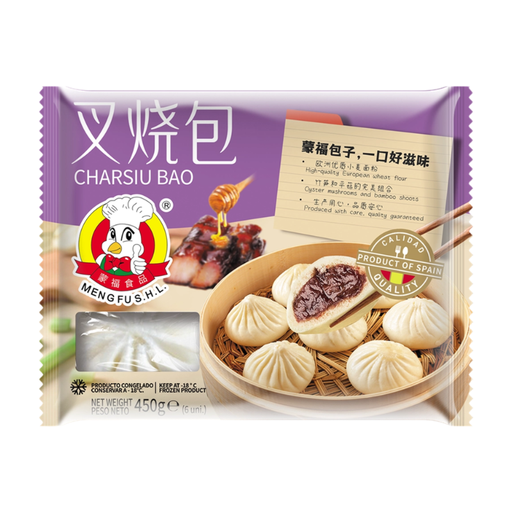
Why this fits the profile: A 450g packet is practical for a first introduction to frozen bao. Preparation is done in a steamer and takes about 15 minutes according to the product information.
The filling percentage of 40% and the stated amount of pork give more certainty than just the product name.
450g per packet; steam from frozen; wheat, soya and oyster are clearly listed as allergens.
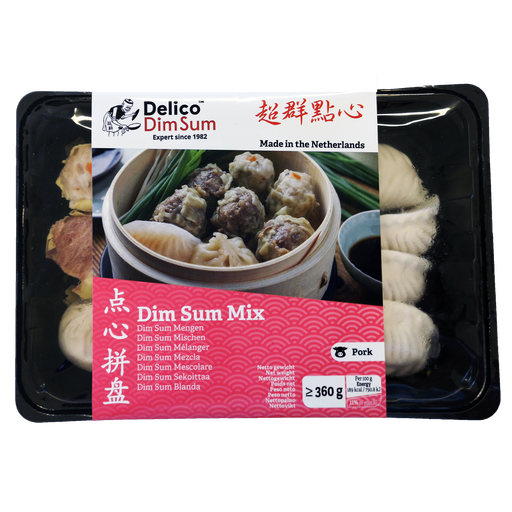
Why this fits the profile: This assortment combines har gow, beef and pork siu mai, and xiao long bao. It suits dinner occasions where different flavours are served.
The four varieties and the individually stated filling percentages make it clear what you’re buying.
Four types of dim sum; suitable for steaming from frozen; 360g total weight.
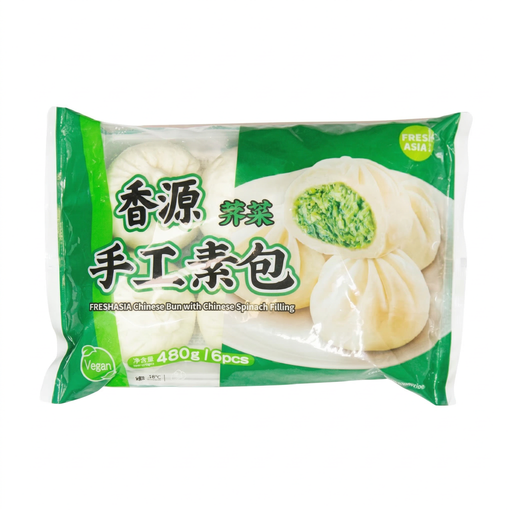
Why this fits the profile: For those who want to serve plant-based bao more often. The filling includes shepherd’s purse, tofu, vermicelli and shiitake.
The ingredients and allergens are clearly stated, so you don’t have to rely solely on the term “vegetable”.
480g per packet; steam in 10–12 minutes; contains wheat, soya and sesame as allergens.
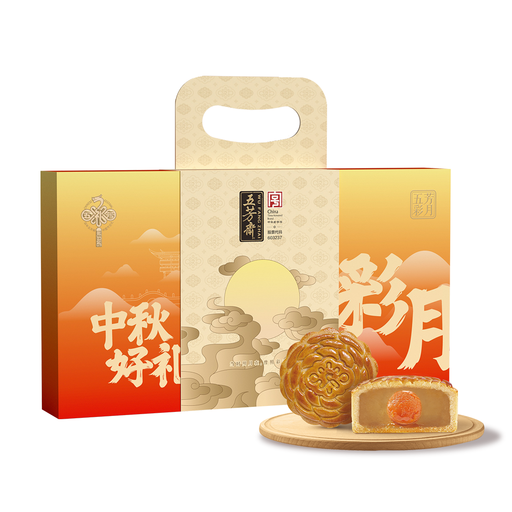
Why this fits the profile: A gift or sharing box with eight flavours, including lotus, red bean, date, pumpkin, pineapple and black sesame. The mooncakes are ready to eat.
The box lists the different flavours and allergens, so you can decide in advance whether the contents are suitable for sharing.
Eight flavours; ready to eat; store in a cool, dry place.
We’ve put together a full, up-to-date list of products that fully meet these strict selection criteria and comply with current European safety regulations.
First, check the instructions on the packaging. Baozi and many dim sum items are steamed straight from the freezer. Dumplings can be boiled, steamed or fried depending on the product. Do not eat raw dough or raw filling, and make sure the centre is piping hot all the way through.
Store them at -18 °C or lower until the best-before date on the packaging. After defrosting, you must follow the specific instructions. Many products should not be refrozen. For example, the delico dim sum states that after defrosting, the product must be kept chilled and eaten within 24 hours.
First, decide whether you want a ready-to-eat product or a frozen version. Then check the flavour, number of pieces, filling, allergens and nutritional values. If you want to try several flavours, choose an assortment. For a specific preference, varieties with date paste, lotus seed paste or salted egg yolk are more straightforward.
