
Vandaag of morgen in huis

Kwaliteit gegarandeerd

Welkomstaanbiedingen ontgrendelen: GRATIS bezorging | Tot 80% korting | Gratis 30 dagen JoyPlus-proefperiode
Download de app
Chinese dried plums come in many varieties: soft or firm, sweet-and-sour or savoury, with honey, liquorice, chilli or sweeteners. That makes it not always clear what you’re buying. An attractive packet tells you little about the taste, portion size or ingredients.
For anyone looking to buy a Chinese plum snack online, three pitfalls are particularly important: a misleading flavour expectation, insufficient attention to allergens, and packaging that doesn’t suit how you’ll use it. With the information on the label, you can avoid many a bad buy.
With preserved plums, “sweet-and-sour” can go hand in hand with salt, liquorice, spices or chilli. The flavour often develops in layers: first sour or salty, then sweet. If you’re expecting a simple sweet fruit snack, you might be surprised by a distinctly savoury or spicy note.
Look out for terms like salted plum, sour plum, licorice, chilli and ume. These give a better indication of the flavour than a picture of the product.
Many Chinese dried plums contain added sugar, honey or sweeteners. So check both the ingredients list and the nutritional information per 100 grams. For example, Jiajianchengchu Honey Plum lists 55 grams of sugar per 100 grams. According to the product information, Jiajianzheng Prune 120G is made with sweeteners and has no stated sugar value, but does carry a warning that it is a source of phenylalanine.
A claim like “sugar-free” should always be read together with the full ingredients list. That way you can see which sweeteners have been used and whether any additional warnings apply.
A bucket or family-size bag might look appealing for sharing, but preserved plums can dry out or lose their texture once opened. Individual sachets are more practical for the office, travel and portion control. A small pack is often the more sensible choice when you want to try a flavour first.
Chinese plum snacks are usually salted, dried and/or preserved with sugar and flavourings. In practice, the terms have these meanings:
Under European labelling regulations, ingredients and relevant allergens must be clearly stated. In particular, check for:
A product with no declared allergens is not the same as a product with no additives. Always read the label on the pack you receive; the composition and packaging information are what counts.
Choose the size based on how you’ll use it:
Store the bag according to the instructions, usually cool and dry, away from direct sunlight and moisture. Seal the pack well after opening and check the best-before date on the product.
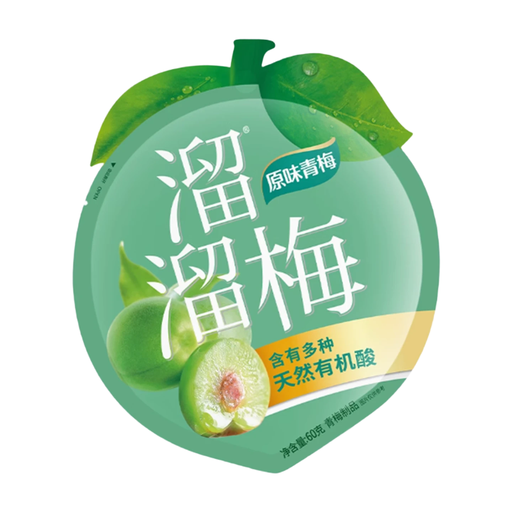
Why this fits the profile: The 60-gram size is manageable when you’re trying a traditional Chinese plum snack for the first time. The described flavour is sweet-and-sour with a soft, chewy texture.
The small pack reduces the risk of being left with a large quantity that doesn’t suit your taste. The ingredients list states green plum as the main ingredient at 54.5%.
60 grams; ready to eat; no allergens declared in the product information.
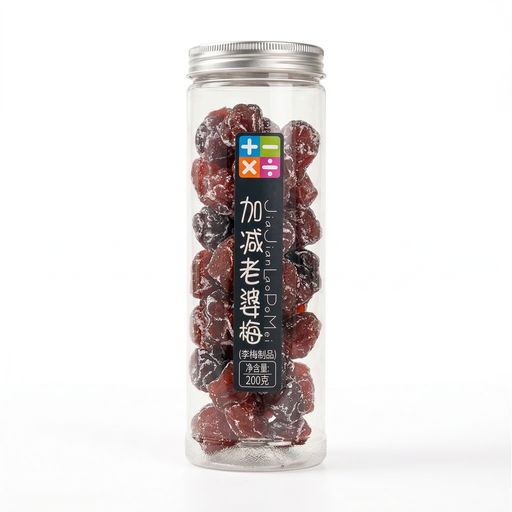
Why this fits the profile: This variety is for those looking for a distinctive honey plum with sweet, sour and salty notes. The product information describes a firm, chewy texture and a 200-gram pack.
The flavour direction is specifically described as honey, sweet, sour and salty. This makes the choice clearer than a general label like “dried fruit”.
200 grams; honey and sugar in the ingredients list; 270 kcal and 2 grams of salt per 100 grams according to the product information.
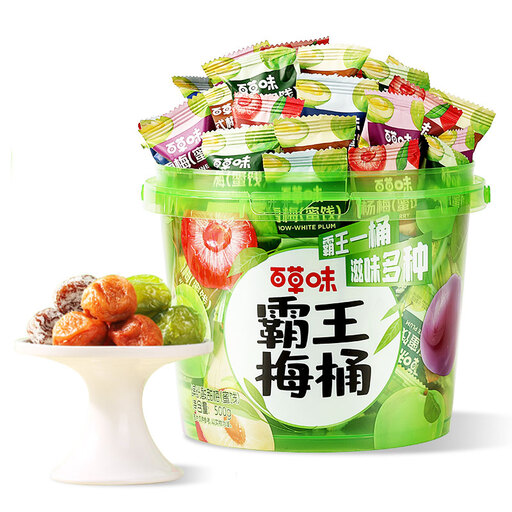
Why this fits the profile: The bucket contains 500 grams and 70 individual packs. That suits sharing, stocking up, or multiple snacking occasions at the office.
The individual portions help prevent the plums from drying out after opening one large bag. Do note the declared sulphites, sweeteners and colour warning.
500 grams; 70 individual packs; five plum varieties; ready to eat straight away.
We’ve put together a full, up-to-date list of products that fully meet these strict selection criteria and comply with current European safety regulations.
No. Chinese plum snacks are often preserved with salt, sugar, liquorice, acids or spices. As a result, they usually have a sweet-and-sour, savoury or spicy flavour profile. Check the ingredients if you’re looking for a simple dried fruit without flavourings.
The exact shelf life is stated on the packaging. Unopened products should generally be stored in a cool, dry place, away from sunlight and moisture. Once opened, seal the bag well and consume the plums as soon as possible according to the product instructions. Individual packs can be practical if you don’t eat the snack all at once.
First compare flavour, ingredients, allergens, salt and sugar content, weight and pack type. Choose a small size for a first try, and a larger pack or individual portions if you regularly share the plum snack. That way you buy more purposefully and don’t pay for a size that doesn’t suit how you’ll use it.
