
Vandaag of morgen in huis

Kwaliteit gegarandeerd

Welkomstaanbiedingen ontgrendelen: GRATIS bezorging | Tot 80% korting | Gratis 30 dagen JoyPlus-proefperiode
Download de app
Chinese dried plums come in many varieties: soft and sweet, firm and salty, lightly sour or seasoned with liquorice and chilli. This means it is not always clear which pack best suits your taste or how you plan to use it. Are you looking for a Chinese plum snack for on the go, a bag to share at the office or a larger supply for home? If so, the ingredients, salt content and pack size are especially important.
The description sweet-and-sour plums can cover several different flavour profiles. Some products contain relatively high levels of sugar and liquorice, while others are mainly salty, sour or mildly spiced. So do not just look at the front of the pack; check the ingredients list too.
A candied plum is usually softer and sweeter. Pickled or salted plums often have a pronounced salty and sour flavour. A traditional Chinese snack may also contain sweeteners, citric acid, preservatives or sulphites.
A 200 g bag or a 500 g tub may seem practical, but dried fruit can dry out or become sticky after opening if the packaging is not sealed properly. Check whether the plums are individually wrapped and whether the resealable packaging is suitable for repeated use.
For occasional snacking, 60 to 85 g is often easier to manage. For a family, office or sharing with guests, packs of 180 to 500 g may be more convenient.
Some Chinese dried plums are sweetened with aspartame, saccharin or steviol glycosides instead of sugar. This may suit a particular preference, but always read the warnings. Products with aspartame contain a source of phenylalanine. Sulphites must also be clearly declared when relevant as an allergen.
First decide what type of plum snack you are looking for:
Pay attention to the order of the ingredients. The ingredients listed first are generally present in the largest quantities. For example, a product containing 86% Chinese plum has a different composition from a variety in which sugar and flavourings are listed relatively prominently.
Always compare products on the same basis: per 100 grams. Pay particular attention to:
Values can vary considerably. For example, X.O Salted White Plum lists 8 g of sodium per 100 g in the product information, while other plum snacks are made mainly with sugar and sweeteners. If in doubt, check the current packaging, as product information may change.
Individual sachets are handy for a lunchbox, the office or a train journey. A larger open pack is better suited to use at home or sharing. Store Chinese dried plums in a cool, dry place, away from direct sunlight and moisture. Seal the pack carefully after opening and follow the best-before information on the label.
If the packaging is damaged, it is best not to use the product. Also check whether the plums are soft or firm, and whether they contain stones. The product name does not always include all the practical details.
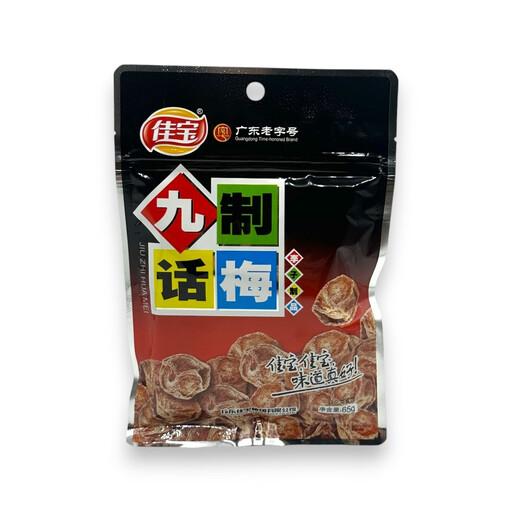
Why it suits this profile: A compact pack for discovering a classic sweet-and-sour plum snack with liquorice.
The 65 g pack helps to minimise waste if you are not yet sure whether you enjoy the combination of sweet, sour and salty flavours. Do check the listed sweeteners and salt content.
65 g, ready to eat and, according to the product information, also suitable for infusing in water.
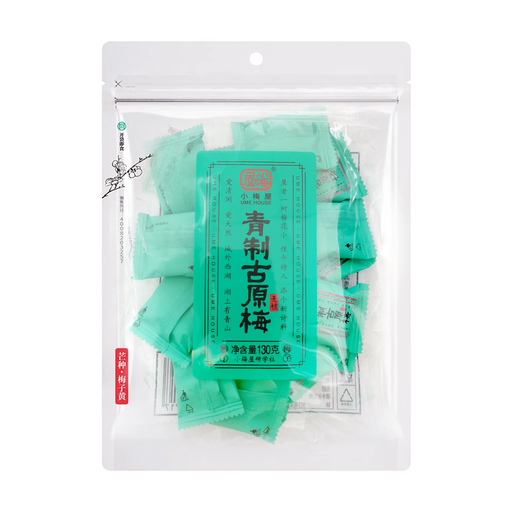
Why it suits this profile: The green plum and fresh, sour profile are ideal for fans of a distinctive ume-style flavour.
The product information clearly lists green plum, salt, sugar and acidity regulator. Sulphites are also identified as an allergen.
130 g, individually wrapped and suitable for the office, film nights or enjoying on the go.
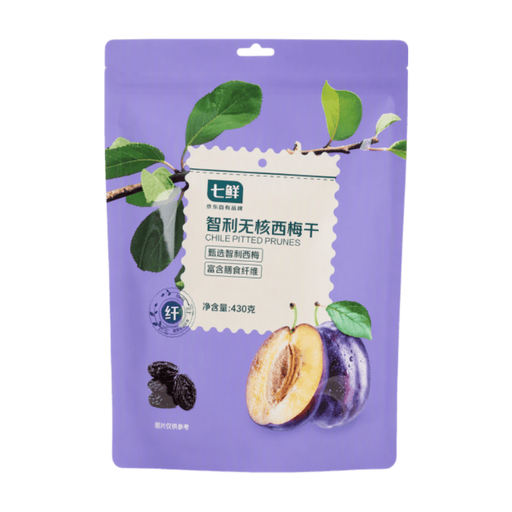
Why it suits this profile: A large pack of pitted plums for frequent snacking, sharing or adding to yoghurt, porridge and baking recipes.
The pitted format avoids an inconvenience when snacking and cooking. Because of the pack size, sealing it carefully after opening is particularly important.
430 g, pitted and, according to the product information, with no added salt.
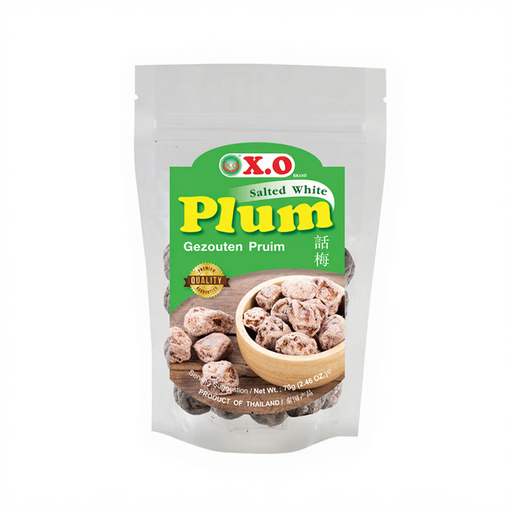
Why it suits this profile: The combination of white plum, salt, sugar and a mildly spicy flavour is intended for those who are not looking for an intensely sweet snack.
The ingredients list states 86% Chinese plum and includes a sulphite warning. This allows you to assess the pronounced salty flavour and allergens in advance.
70 g, easy to take with you and suitable for snacking or sharing.
We have put together a complete, up-to-date list of products that fully meet these strict selection criteria and the applicable European safety regulations.
The exact shelf life is stated on the packaging. Store the plums in a cool, dry place away from direct sunlight. After opening, it is important to seal the bag carefully and consume the product as soon as possible. Individually wrapped plums are practical when you do not finish the pack all at once.
Dried plums generally contain less moisture and have a firm or chewy texture. Pickled plums are preserved with salt, sugar, acid or spices and may be softer. Salted plums usually have a distinctly savoury and sour flavour profile. The terms sometimes overlap, so the ingredients list and nutrition table provide the most useful information.
For some products, the product information states that you can infuse one or more plums in cold or hot water. This does not automatically apply to every Chinese plum snack. Check the instructions for use on the relevant packaging. Also consider the salt, sugar and any sweeteners that will end up in the water.
