
Vandaag of morgen in huis

Kwaliteit gegarandeerd

Welkomstaanbiedingen ontgrendelen: GRATIS bezorging | Tot 80% korting | Gratis 30 dagen JoyPlus-proefperiode
Download de app
Chinese dried noodles are a handy staple to keep in your kitchen: they take up little space, have a long shelf life, and work well in soups, stir-fries, hotpot and cold noodle dishes. Yet choosing the right pack isn't as simple as picking one labelled "authentic". The shape, ingredients list and cooking time ultimately determine whether the noodles suit your dish.
Packaging often features terms like hand-rolled, hand-pulled, knife-cut and Lanzhou-style. With dried products, these terms usually refer to the production method or shape being replicated. That's not the same as freshly hand-pulled dough.
So pay close attention to the noodle width, thickness and cooking time. A wide, flat noodle behaves differently in broth than a thin, round one.
A bulk pack of noodles is practical for families, meal prep or catering, but only if you use them regularly. Once opened, moisture and odours can affect the texture. If you don't cook with noodles often, choose a 250g to 500g pack instead, or store a larger bag in an airtight container.
Marketing language doesn't always tell you how a product performs in the kitchen. Check the ingredients, allergens, origin, net weight and cooking instructions. According to the product information, most of the varieties listed here are made in China and contain wheat flour, meaning they contain gluten.
The widths mentioned range from around 2 to 8 millimetres. That difference affects cooking time and how much sauce clings to the noodle.
Read the ingredients list before you buy Chinese dried noodles. Simple varieties contain, for example, wheat flour, water and salt. Other products use starch, konjac flour, buckwheat, spinach powder or sodium carbonate E500.
Pay extra attention to:
Do not use raw dough or raw flour. These products are intended to be fully cooked.
Cooking times in the product information typically range from 3 to 8 minutes. Thin noodles cook faster than thick or wide varieties. Cook in plenty of boiling water and stir gently to prevent sticking. For cold noodles, you can briefly rinse them with cold water; for soup, add them directly to the broth after draining.
A 1kg or 2kg pack is handy if you eat noodles regularly. For a household that cooks Asian food less often, packs of 400g to 800g are easier to store.
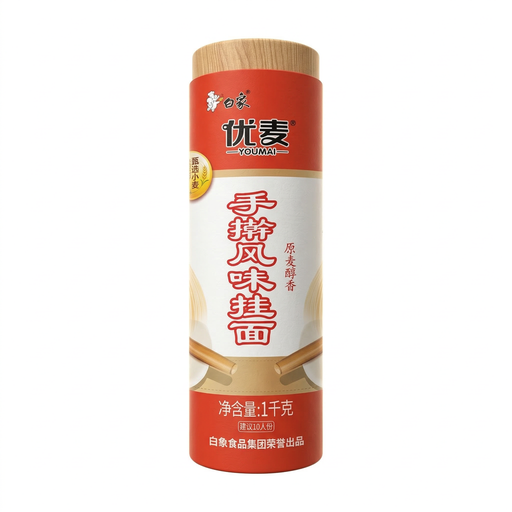
Why it fits this profile: This 1kg pack offers a practical supply for households that regularly prepare soup, stir-fried noodles or cold noodle dishes.
The product information states a clear cooking time of 4–6 minutes and a full ingredients list, rather than just general terms about craftsmanship.
1kg content; suitable for soup, stir-frying and cold preparations; ingredients according to product information: wheat flour, starch, salt and raising agent.
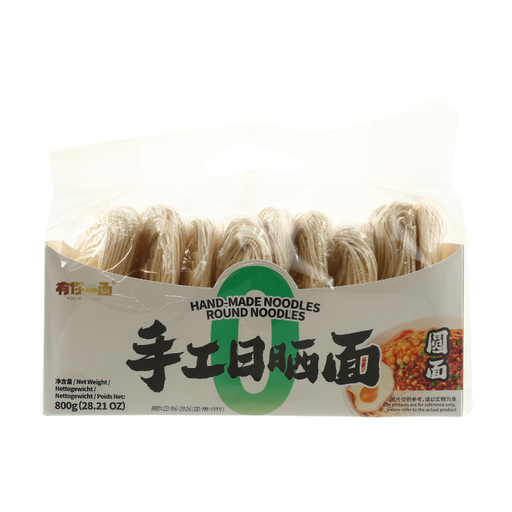
Why it fits this profile: These round, dried noodles are designed for home cooks who value a firm, springy texture and versatile preparation.
The specification lists a cooking time of 5–8 minutes and simple ingredients: wheat flour, water and salt. This helps you assess shape and preparation in advance.
800g pack; round shape; according to the product description, suitable for soup, stir-fry dishes and cold noodles.
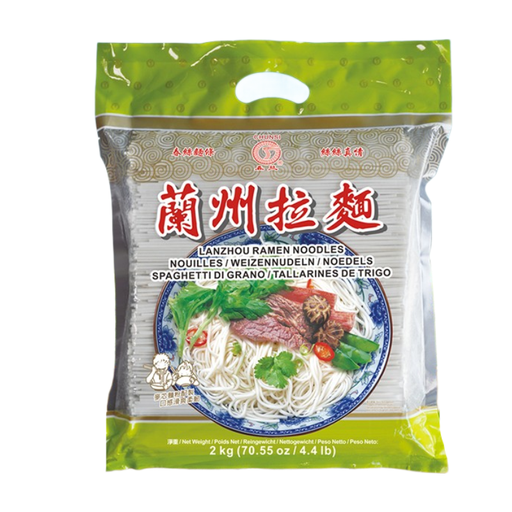
Why it fits this profile: The 2kg pack suits families, meal prep, small catering businesses and Lanzhou noodle enthusiasts who need a regular supply.
The packaging states the net weight, storage instructions and a cooking time of around 5–7 minutes. This makes it easier to plan bulk buying and storage in advance.
2kg content; intended for Lanzhou-style beef soup and other soups; ingredients according to product information: wheat flour, water and salt.
We've put together a full, up-to-date list of products that fully meet these strict selection criteria and comply with current European safety regulations.
Always cook the noodles according to the pack instructions, because wide Chinese noodles may need more time than thin Lanzhou varieties. Use a large pan with plenty of water and stir gently during the first few minutes. For stir-fries, you can cook the noodles for slightly less time and then finish them in the wok.
Store an opened pack in a cool, dry place away from direct sunlight and moisture. An airtight container is practical for bulk packs. Before buying, also check the best-before date on the packaging and see whether the bag can be resealed properly after opening.
Thin round Lanzhou noodles are practical for clear broth. Wide or knife-cut noodles suit hearty soups where you want a thicker bite. Always check the stated cooking time and generally don't rinse noodles for soup, so they can be served directly with the broth.
No, these terms refer to different styles. Hand-pulled noodles, such as Lanzhou lamian, are traditionally stretched into long, thin strands. Hand-rolled noodles are often thicker or wider in shape. With dried varieties, it's also about a production style or replicated texture, not fresh dough that has been hand-pulled just before cooking.
Follow the best-before date on the packaging and store the noodles unopened in a cool, dry place away from direct sunlight. Once opened, an airtight container is advisable. Buy 1.8kg to 2kg mainly if you cook noodles regularly; otherwise, a 400g to 800g bag may be more practical.
