
Vandaag of morgen in huis

Kwaliteit gegarandeerd

Welkomstaanbiedingen ontgrendelen: GRATIS bezorging | Tot 80% korting | Gratis 30 dagen JoyPlus-proefperiode
Download de app
Chinese dried fruit snacks come in many varieties: from soft dried red dates and jujubes to sweet-and-sour hawthorn snacks, hawthorn slices and salted plums. They are ready to eat, but are also used in tea, desserts, soups and porridge.
The differences between products aren't just about flavour. The amount of sugar, salt, stones, additives and the pack size also determine whether a snack suits your needs. This buying guide helps you compare Chinese snacks using verifiable product information, without being swayed by generic marketing claims.
Dried fruit naturally contains sugars, but some preserved fruit products also contain added sugar, glucose syrup or malt syrup. Always check the ingredients list and the nutritional information per 100g. A product containing only jujube or red date has a different composition to a hawthorn snack with added sugar.
A large bag may look appealing, but it isn't always convenient if you only want to try a snack occasionally. Pay attention to the net weight, the number of sachets and the shelf life after opening. Individual portions can help reduce waste, whereas a 500g pack may be better value for tea, soup or regular use.
Salted plums often have a distinctive sweet-and-sour flavour, but can contain significantly more salt than dried dates. Also check for warnings such as sulphites. For example, X.O Salted White Plum explicitly states that it contains sulphite. Always read the label on the packaging you receive, especially if you are sensitive to certain ingredients.
First, look at the main ingredient. Haoxiangni Grade A Wash-Free Jujubes 500g lists jujube (100%). Three Squirrels Red Dates 500g consists of dried red dates (100%) according to the product information. With hawthorn slices, the fruit percentage can vary significantly. O'Say Fructus Crataegus 150g, for example, lists 52.55% hawthorn, alongside sugar and malt syrup.
A short ingredients list makes comparison easier, but it doesn't automatically tell you about your flavour preference. Hawthorn is usually sweet-and-sour, while red dates and jujubes are softer and sweeter.
For snacking straight from the pack, soft, chewy products are practical. If you also want to use the snack in tea, desserts or soups, consider:
For products with claims such as "ready to eat" or "wash-free", always check the official usage instructions on the label.
Compare nutritional values per 100g, not just per pack. Pay particular attention to carbohydrates, sugars and salt. With salted plums, salt is a key consideration. Tong Xiang Jiu Zhi Salted Plums 85g lists green plum, sugar, salt, liquorice and food additives among its ingredients. X.O Salted White Plum 70g lists 86% Chinese plum, 8% salt, sugar and sulphite.
According to the brands' own product information, flavour and texture may be described as traditional or authentic. Treat this as a product description, not as an objective health or quality guarantee. For nutritional and allergen information, the label on the packaging is definitive.
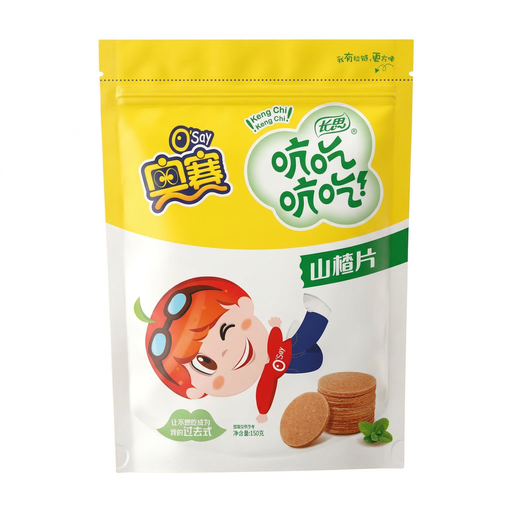
Why this suits the profile: A manageable 150g pack to try the sweet-and-sour flavour of hawthorn snacks at your own pace.
The product information lists only white sugar and hawthorn as ingredients. Do check the label and best-before date.
150g, ready to eat and, according to the product information, free from allergens.
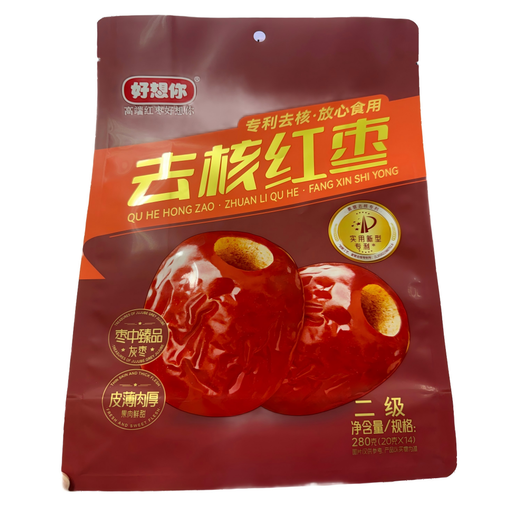
Why this suits the profile: A compact choice for anyone who wants to eat sweet, stoned jujubes or use them in tea and desserts.
The product description states 100% jujube and a stoned version. This means no extra preparation is needed.
280g, stoned and suitable for snacking, tea, soup and desserts.
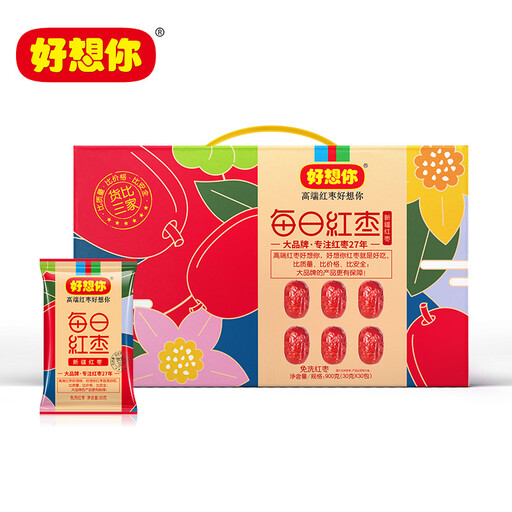
Why this suits the profile: The large pack with 30 sachets is ideal for households that regularly use Chinese dried red dates.
The portioned packaging makes dosing and storage easier than with one large, repeatedly opened bag.
900g total, 30 sachets and suitable for snacking, porridge, tea, soup and desserts.
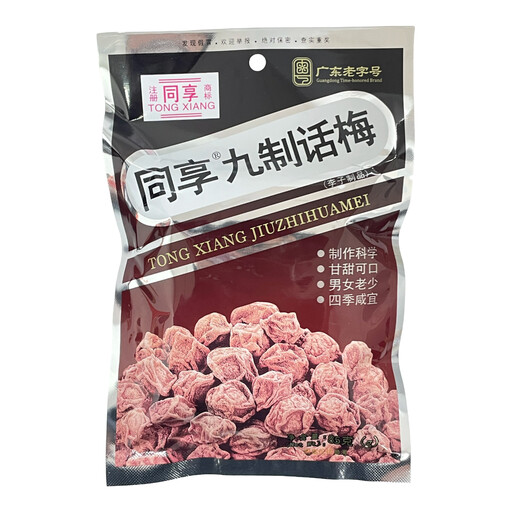
Why this suits the profile: For anyone seeking a complex combination of salt, sour, sweet and a lightly spiced flavour in a small pack.
The ingredients list names sugar, salt, liquorice and various additives. This makes the flavour expectation clearer.
85g, individually wrapped pieces and ready to eat; check the high salt content per 100g.
We have compiled a full, up-to-date list of products that fully meet these strict selection criteria and comply with current European safety regulations.
Store dried and preserved fruit according to the instructions on the packaging: usually in a cool, dry place away from direct sunlight. Seal an opened bag well and use the product as soon as possible. With portion packs, unopened contents are generally easier to store.
For everyday snacking, you can eat red dates or jujubes straight from the pack. In tea and soup, they add a sweeter fruit flavour. Hawthorn slices and hawthorn rolls are better suited as a sweet-and-sour snack or with tea. Salted plums, with their salty and sour character, are ideal for small portions.
Many products in this category are sold as ready-to-eat snacks. According to the product information, this applies, for example, to jujubes, red dates, hawthorn slices and salted plums. Always check the usage instructions and the packaging before opening the product.
Jujubes are the fruit of the jujube tree and are often called red dates in English. The texture, size, presence of stones and degree of processing can vary between products. Always look at the ingredients, net weight and whether it says "stoned" or "with stones".
For occasional snacking, 70g to 180g is manageable. For tea, desserts, soups or multiple users, packs of 500g or a portion box of 900g are more practical. When comparing, consider not just the price but also the number of portions, storage and shelf life after opening.
