
Vandaag of morgen in huis

Kwaliteit gegarandeerd

Welkomstaanbiedingen ontgrendelen: GRATIS bezorging | Tot 80% korting | Gratis 30 dagen JoyPlus-proefperiode
Download de app
Anyone looking for Chinese dried fruit and snacks will quickly come across dozens of varieties featuring dates, jujubes, mango and watermelon seeds. The packaging often highlights words such as “natural”, “traditional” or “healthy”, but these claims do not always tell you enough about the ingredients, preparation method or ease of use.
This guide helps you compare products based on verifiable criteria. That way, you can avoid buying a large pack that does not suit your taste, or choosing a snack that is less suitable for everyday use because of added sugar, oil or a strong flavouring.
Dried fruit naturally contains concentrated sugars. Some products may also contain added sugar, maltose, oil, salt, sweeteners or flavourings. That is why you should always check the full ingredients list.
A product containing only red dates, jujubes or mango has a different composition from a candied snack. Watermelon seeds, for example, may contain added salt, liquorice powder, herbs and sweeteners.
An 800 or 908-gram bag may seem appealing for sharing or stocking up, but dried fruit can become softer or lose its aroma after opening. So check:
Small packs, such as 35 or 100 grams, are more convenient to take with you. Larger packs are better suited to regular use, baking, tea or households where several people will be eating them.
“Dates” can refer to soft Medjoul dates, firm dried red dates or crunchy jujubes. These offer very different eating experiences. Not all red dates are stone-free either. If you want to use them in porridge, baking or tea, pitted dates can save you time.
Also pay attention to the preparation instructions. HEYU Premium Jujube, for example, states that the jujubes must be washed and cooked and should not be eaten raw. This is an important difference from ready-to-eat snacks.
Start with the label. Do not just compare the energy content; pay particular attention to:
A crunchy jujube may have a different fat content from air-dried red dates because it has been vacuum-fried. DahaoDa watermelon seeds with liquorice flavour, for example, list salt, liquorice and herbs among their ingredients. The plum-flavoured variety also contains ingredients including maltose syrup, flavourings and sweeteners.
So use terms such as healthy fruit snacks as search terms, not as an automatic conclusion. A product may be made from fruit but still contain high levels of natural or added sugars.
Want to eat it straight from the bag? Choose a product that clearly states it is ready to eat. For tea, soup, porridge and desserts, soft Chinese dates or jujubes are often more convenient than crunchy varieties.
Also check whether the product contains stones. According to the product information, Hao Xiang Ni Pitted Jujubes consist of 100% red dates and are pitted. This makes them suitable for eating straight away, cooking, baking and tea. Products with mechanically removed stones may occasionally contain a small stone fragment, according to the packaging, so chew carefully.
As a general rule, store dried fruit in a sealed container in a cool, dry place, away from direct sunlight and moisture. Always follow the instructions on the packaging. Once opened, consuming the product promptly is often advisable to preserve its flavour and texture.
Pay attention to the difference between:
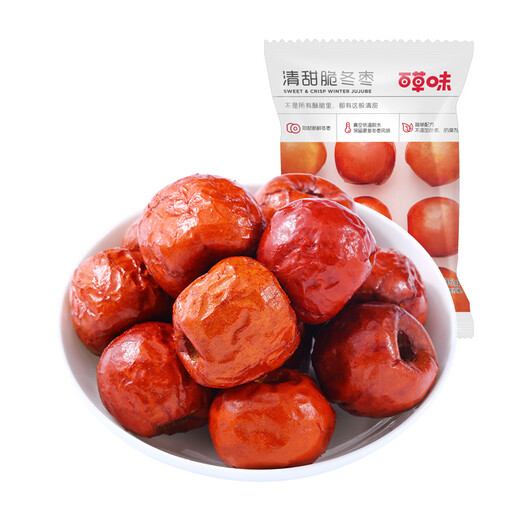
Why it suits this profile: The small pouch is an easy way to try crunchy jujubes without immediately buying a large supply.
The size helps minimise waste after opening. According to the product description, the snack is ready to eat.
35 grams, crunchy winter jujubes and compact packaging for taking with you.

Why it suits this profile: This large pack is ideal for fans of soft, full-flavoured Medjoul dates, whether eaten on their own or paired with yoghurt, nuts and baked goods.
The product information lists one ingredient: dates. However, always check the current label before buying.
908 grams, a soft texture and plenty of uses in snacks, desserts and breakfast dishes.

Why it suits this profile: The pitted red dates are convenient for everyday cooking, baking, tea and eating straight from the pack, with no preparation required.
The packaging states that the product contains 100% red dates and is pitted. Nevertheless, check for any remaining stones when using it.
500 grams, 100% red dates and suitable for a variety of preparation methods.
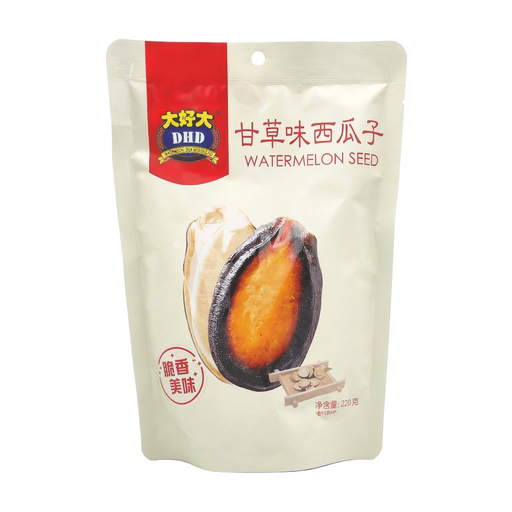
Why it suits this profile: These watermelon seeds are aimed at anyone looking for a crunchy, sweet-and-savoury snack with liquorice and herbs to share.
The ingredients list makes the herbs, salt and liquorice clear. The packaging also warns against excessive consumption if you have high blood pressure.
220 grams, ready to eat and suitable for sharing at home, in the office or on the go.
We have put together a complete, up-to-date list of products that fully meet these strict selection criteria and the applicable European safety regulations.
Yes, jujubes, red dates and Chinese dates generally refer to the fruit of the jujube tree. However, the shape, drying method, variety and texture may differ. Some are soft and chewy, while others are crunchy or intended for cooking and tea.
Seal the packaging securely and store the product according to the label in a cool, dry place away from direct sunlight and moisture. For a large bag, an airtight storage container can be helpful. Always check the smell, appearance and packaging before eating the product.
No. Medjoul dates are generally large and soft, with a creamy texture. Dried red dates, such as Chinese jujubes, are often smaller and may be firmer, more fibrous or drier. Choose Medjoul dates for eating as a snack and red dates for tea, cooking, baking or a more traditional flavour.
