
Vandaag of morgen in huis

Kwaliteit gegarandeerd

Welkomstaanbiedingen ontgrendelen: GRATIS bezorging | Tot 80% korting | Gratis 30 dagen JoyPlus-proefperiode
Download de app
Chinese dried fruit comes in many varieties: from dried mango and red dates to sweet-and-sour plums, dried longan and hawthorn snacks. The difference isn't just about the type of fruit. The amount of sugar, the preservatives used, the texture and the portion size all determine whether a product suits your needs.
If you only look at the packaging or an appealing flavour description, you might be in for a surprise. A bag can look large, while part of it consists of syrup, sugar or separate small portions. Terms like "natural" or "traditionally prepared" also don't tell you much about the full ingredients list on their own. So use the following checkpoints before you order.
During drying, less water remains and the flavour becomes more concentrated. On top of that, many varieties contain added sugar, glucose syrup or maltose syrup. So check both the ingredients and the nutritional values per 100 grams.
For example: Be&Cheery Dried Mango 120g lists mango, white sugar, citric acid and potassium sorbate. The nutritional value is 72.6 grams of sugar per 100 grams. That makes the product suitable if you consciously choose a sweet, soft fruit snack, but less appropriate if you want to limit added sugar.
A product may contain no artificial colours and still list acidity regulators, preservatives or flavourings. So read the full list, not just the front of the pack.
With dried apricots and dried apple, for example, sulphite appears in the product information. Sulphites must be declared as an allergen in the EU when the legal threshold is exceeded. If you have a known sensitivity, always check the label on the packaging before using the product.
A 500-gram pack looks appealing for daily use, but dried longan is intended to be washed and cooked according to the product information. For occasional use, a smaller bag or a product that's ready to eat may be more practical. Also pay attention to the shelf life after opening and how you plan to store the fruit.
First, look at the percentage of fruit. Haoxiangni Grade 2 Fresh-Locked Pitted Red Dates Original Flavour 280g, for example, lists jujube as the only ingredient. With other products, sugar, salt, flavourings, acidity regulators or preservatives also appear on the label.
Pay particular attention to:
The name often gives you a clue:
For on-the-go snacking, bags of 35 to 88 grams are easy to carry. For a family or regular use, packs of 200 to 500 grams may be more convenient. Check whether the packaging is resealable after opening, and store the fruit in a cool, dry place away from direct sunlight.
A Chinese fruit snack can be eaten straight from the pack, but some types are better suited to hot preparation. Red dates can be used in tea, porridge, soup or desserts. Dried longan is not ready to eat straight away according to the usage instructions, but is intended for cooking.
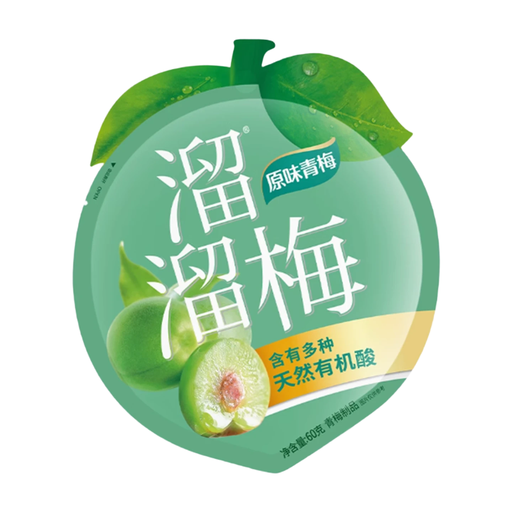
Why this suits the profile: The 60-gram pack is manageable for anyone wanting to try a classic sweet-and-sour fruit snack for the first time.
The product information states 54.5% green plum and makes the sugar, salt and flavouring visible.
60 grams, ready to eat and described as soft and chewy with a sweet-and-sour flavour.
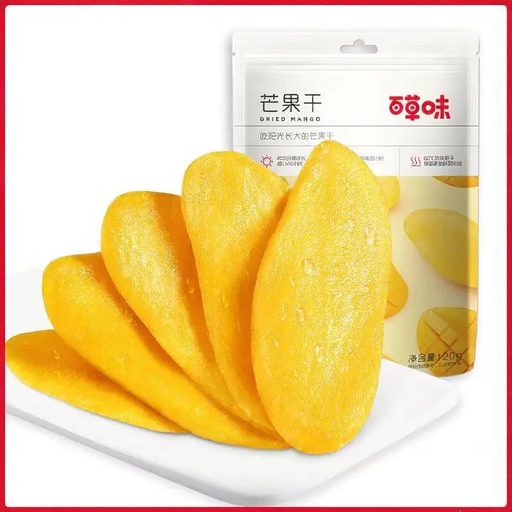
Why this suits the profile: If you value a full, soft texture, you get a mango snack with thick flesh and a 120-gram pack.
The product description mentions the added sugar, citric acid and potassium sorbate; the claim about natural colour comes from the product information.
120 grams, ready to eat and described as soft with thick flesh.
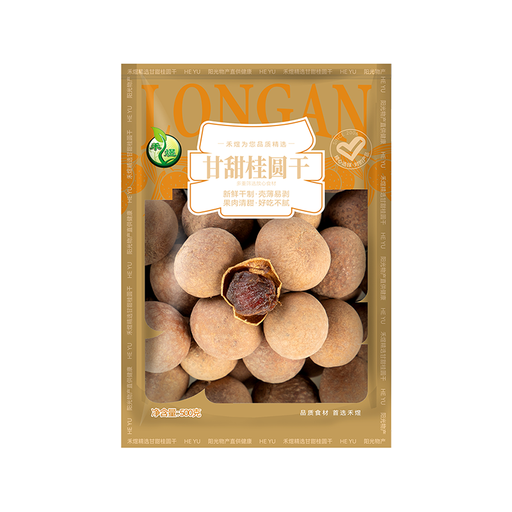
Why this suits the profile: The large pack suits households that regularly use fruit for tea, porridge or soup.
The instructions clearly state that washing and cooking are required. So there's no mistake for someone expecting a ready-to-eat snack.
500 grams, suitable for hot preparations and described as soft and sweet in the product information.
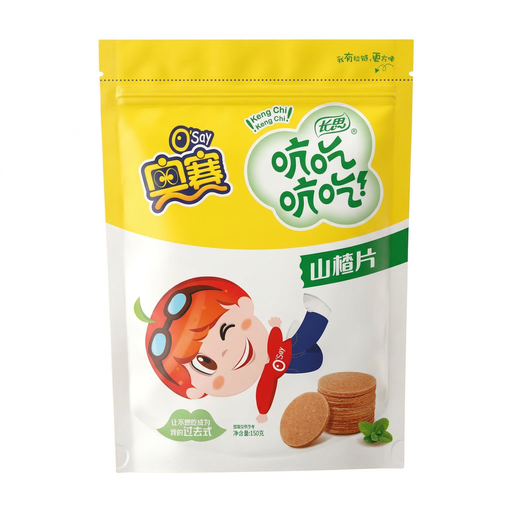
Why this suits the profile: This hawthorn snack is aimed at fans of a compact, chewy slice with a clear sweet-and-sour fruit flavour, for example with tea.
The ingredients list is short: white sugar and hawthorn. The product information mentions no allergens.
150 grams, ready to eat and suitable as a Chinese fruit snack or fruit for tea.
We've put together a full, up-to-date list of products that fully meet these strict selection criteria and comply with current European safety regulations.
In British shops, "red dates" usually refers to Chinese jujube, also known as red jujube. These are often softer and smaller than some types of dates from the Middle East. Check whether the dates are pitted and whether only fruit or also sugar has been added.
Store the product according to the label in a cool, dry place, away from direct sunlight, and seal the packaging well. Some products advise consuming them quickly after opening. That helps to limit drying out, sticking or changes in texture.
That varies by product. Dried mango, plums, apricots, apple and many red dates are usually ready to eat straight away. Dried longan should first be washed and cooked according to the product information before use in tea, porridge or soup. Always check the usage instructions on the packaging.
