
Vandaag of morgen in huis

Kwaliteit gegarandeerd

Welkomstaanbiedingen ontgrendelen: GRATIS bezorging | Tot 80% korting | Gratis 30 dagen JoyPlus-proefperiode
Download de app
Chinese dried fruit and traditional Asian snacks vary considerably in flavour, texture, ingredients and uses. A bag of dried plums, for example, is not the same as a portion of pitted red dates or candied pineapple. If you only go by the packaging or an appealing product name, you could end up buying a snack that is too salty, too sweet or awkwardly large.
This guide will help you compare products more effectively. You’ll learn what to look for in preserved plums, dried tangerine, dried pineapple, walnuts and other Chinese snacks.
Sugar is added to many fruit products to influence their flavour and texture. This includes dried apples, strawberries, tangerine and pineapple. Always check the ingredients list and the nutritional values per 100 grams.
Here are a few examples:
A short ingredients list is useful, but it does not always tell you how much sugar the product contains. Also check the line marked “of which sugars”.
Preserved plums, salted white plums and hawthorn snacks often combine sweet, sour and salty flavours. This is typical of many traditional Asian snacks, but the salt content can vary considerably between products.
For example, Jiabao Preserved Plum lists 8.5 grams of salt per 100 grams. X.O Salted White Plum lists 8 grams of sodium per 100 grams in the supplied product information. These are not products to treat casually as an everyday fruit snack. Compare the label if you want to reduce your salt intake.
A 500-gram pack may seem appealing for a family or regular use, but dried fruit can absorb moisture once opened. This changes the texture and reduces freshness. Smaller 50- to 120-gram bags are more practical for trying a product for the first time, taking it on the go or sharing.
Resealability is important for larger packs. Also check the storage instructions and seal the packaging properly after use.
Before buying, always check:
MUSHAN Tangerine Dried Fruit, MUSHAN BASE Candied Pineapple and Xue Ji Dried Apples list sulphites. Gluten is listed as an allergen for Jin Ye Six-Ingredient Hawthorn Strips. Haoxiangni Thin-Shelled Walnuts contains walnuts and requires extra care if you have a nut allergy.
The eating experience depends heavily on the texture:
Pay attention to the difference between “ready to eat” and “cooking required”. This prevents you from buying a product for eating on the go when it is actually intended for soup, porridge or tea.
Choose the pack size based on how you plan to use it:
Pitted red dates are practical for tea, desserts and cooking because you do not need to remove the stones. Walnuts in eight portions can be convenient for gradual use, but the shells still need to be cracked.
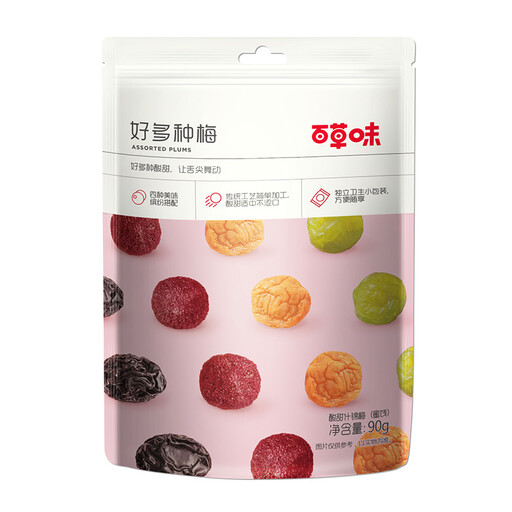
Why it suits this profile: A 90-gram bag offers a selection of plum flavours without committing to a large pack. It is ideal for discovering the sweet-and-sour flavour of dried plums.
The pack size helps minimise waste when making your first purchase. The ingredients also list sugars, sweeteners and preservatives, so you do not have to rely solely on the front of the packaging.
90 g, several plum varieties and ready to eat. The nutritional information lists 3.0 g of salt per 100 g.
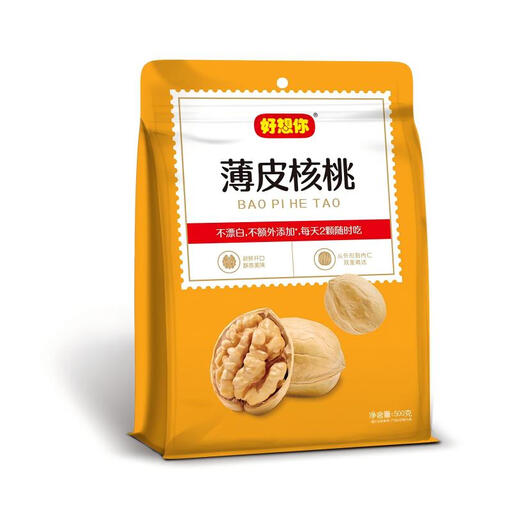
Why it suits this profile: Shoppers who value a larger weight and a single-ingredient list may prefer walnuts. The pack contains eight portions.
The specifications make it clear that the walnuts are still in their shells. This avoids any confusion about the preparation required.
500 g, eight portions and walnut as the only ingredient. Storage is specified at 0–4 °C.
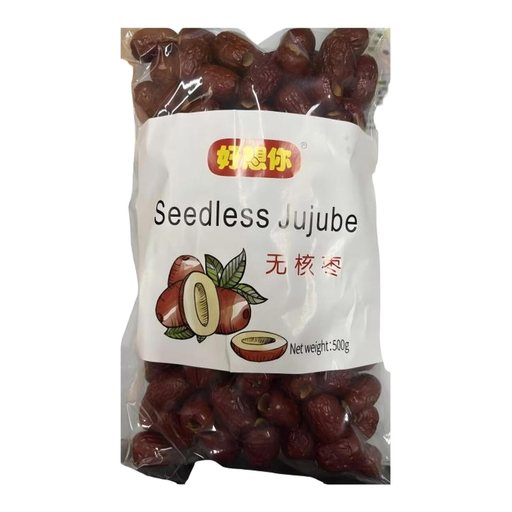
Why it suits this profile: The large pack is suitable for regular use in tea, desserts, soups and cooking. Pitted red dates save preparation time.
The intended uses are clearly specified: eat straight away or use in recipes. According to the product information, the ingredients list consists of 100% red dates.
500 g, pitted and suitable for several preparation methods. The product lists 60 g of sugar per 100 g.
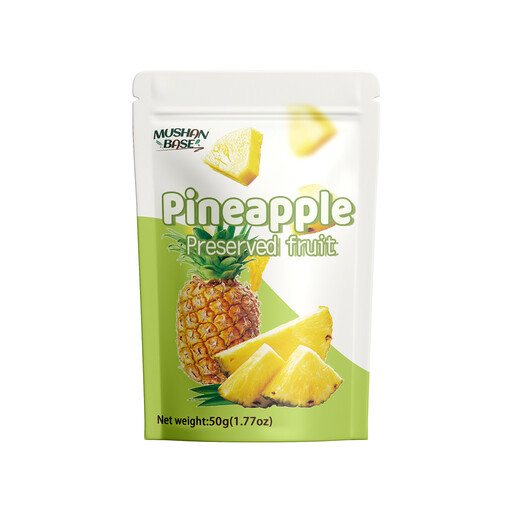
Why it suits this profile: The soft, chewy pineapple is ready to eat and can also be used in baking, desserts or as a small treat to share.
The small pack size prevents you from building up a large supply before you know whether you like candied pineapple. Sulphites are explicitly listed as a warning.
50 g, at least 75% pineapple and suitable for snacking or decorating desserts. The product contains 60.3 g of sugar per 100 g.
We have compiled a complete, up-to-date list of products that fully meet these strict selection criteria and the applicable European safety regulations.
That depends on the product and the portion size. Some varieties contain added sugar, sweeteners or relatively high levels of salt. Always check the ingredients list and nutritional information. You could also alternate between sweet-and-sour fruit snacks, nuts and products with a single main ingredient.
Store the packaging according to the label, usually in a cool, dry place away from direct sunlight. Seal an opened bag properly to limit moisture absorption and loss of quality. With larger packs, it may be practical to store smaller portions in airtight containers.
Dried plums are usually low in moisture and have a firm or chewy texture. Preserved plums are often processed with sugar, salt, sweeteners, acidity regulators and spices such as liquorice. This creates the familiar combination of sweet, sour and salty flavours. Check the ingredients for each product, as the composition varies.
