
Vandaag of morgen in huis

Kwaliteit gegarandeerd

Welkomstaanbiedingen ontgrendelen: GRATIS bezorging | Tot 80% korting | Gratis 30 dagen JoyPlus-proefperiode
Download de app
You've found an amazing Chinese recipe and have all the ingredients ready, but then you hit an ambiguous item on the list: 'Chinese cooking oil'. What exactly does this mean? Your local supermarket offers sunflower and olive oil, but achieving that authentic flavor often requires something more specific. Is it peanut oil for the wok, a deep-red chili oil for heat, or dark sesame oil for aroma?
The choices can be overwhelming. That's why we've created this guide. We'll explain the key differences and help you select the perfect Chinese cooking oil for your dish, ensuring your next meal is a guaranteed culinary success.
Before you add a bottle of oil to your cart, there are a few practical things to consider. The right choice depends entirely on what you plan to cook.
For high-temperature cooking, such as stir-frying, you need a wok oil with a high smoke point. This is the temperature at which an oil begins to smoke and break down, imparting a burnt taste. Oils like peanut oil have a high smoke point (around 230°C / 450°F) and are therefore ideal. They remain stable and have a neutral flavor, allowing the tastes of your other ingredients to shine. Extra virgin olive oil, with its low smoke point, is unsuitable for a wok.
Not every authentic Asian oil is meant for cooking. Some oils, like toasted sesame oil, have a very distinct flavor and a lower smoke point. You don't use these to cook your chicken or vegetables, but rather as a finishing touch. A few drops at the end of preparation, drizzled over noodles or mixed into a dipping sauce, will give a dish that signature nutty aroma and flavor.
Consider the oil's purpose in your recipe.
Based on product specifications and applications, we've selected oils that deserve a permanent spot in the pantry of any Chinese cuisine enthusiast.
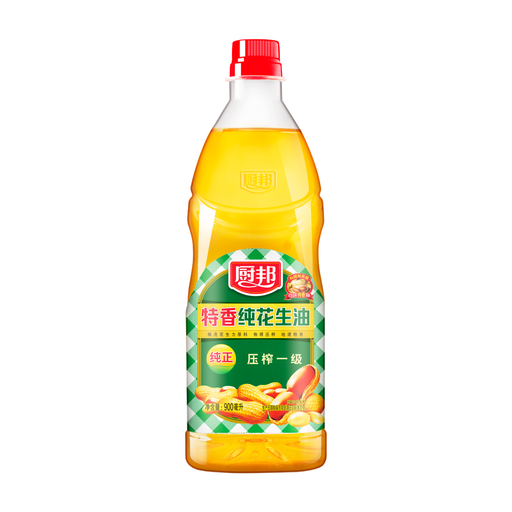
Why It Stands Out This peanut oil from Chu Bang is a true kitchen workhorse. It's a 100% pure peanut oil that is cold-pressed, which the brand claims helps retain its natural, nutty aroma. Thanks to its high smoke point, this oil is ideal for high-heat methods like stir-frying and deep-frying.
Highlights
Who It's For The home cook looking for a reliable and versatile wok oil. Perfect if you stir-fry regularly and need a neutral yet high-quality base oil.

Why It Stands Out This isn't a cooking oil, but a powerful flavor enhancer. CUIHONG is a brand specializing in Sichuan spice blends. This Sichuan chili oil delivers the signature mala flavor: a combination of heat from chili peppers and the tingling, numbing sensation of Sichuan peppercorns.
Highlights
Who It's For The adventurous foodie who wants to bring the authentic, spicy flavors of Sichuan cuisine into their home. A must-have for fans of dishes like Dan Dan Noodles or Mapo Tofu.
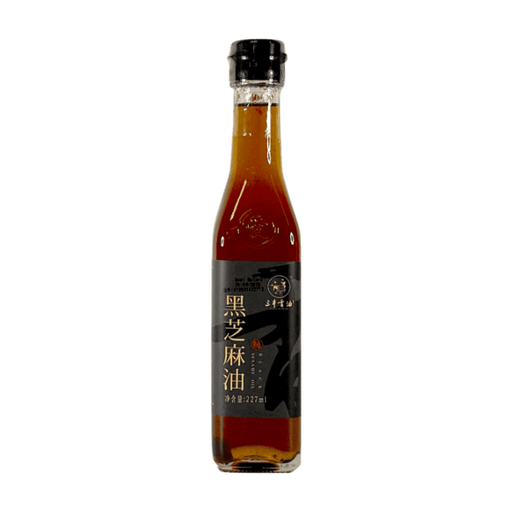
Why It Stands Out This toasted sesame oil from SANFENG is made from 100% black sesame seeds. Roasting the seeds before pressing gives the oil a deep, dark color and an intense, nutty aroma. This is purely a finishing oil, meant to complete dishes just before serving.
Highlights
Who It's For Anyone looking to give their dishes an authentic Asian finish. A few drops can transform a simple meal, adding a layer of complexity and aroma that is essential in many Chinese, Japanese, and Korean recipes.
The world of Asian oils is vast and diverse. Beyond these three popular choices, there are countless other varieties, such as ginger oil, scallion oil, or different types of chili oil.
Curious about the full range? Explore our wider selection of cooking and finishing oils.
1. Which oil is best for stir-frying? For stir-frying, you need an oil with a high smoke point. Peanut oil is a popular and excellent choice due to its neutral flavor and high smoke point (around 230°C / 450°F). Other suitable oils include refined canola oil, sunflower oil, or avocado oil.
2. What is the difference between light and toasted sesame oil? Light (or plain) sesame oil is pressed from un-toasted sesame seeds. It has a lighter color, a mild flavor, and a higher smoke point, making it suitable for cooking. Toasted sesame oil is made from roasted seeds, resulting in a darker color, a much stronger, nutty aroma, and a lower smoke point. Therefore, use toasted sesame oil exclusively as a finishing oil at the end of preparation.
3. What is the best way to store Chinese cooking oil? Most oils are best stored in a cool, dark, and dry place, like a kitchen pantry. Direct sunlight and heat can degrade the quality and flavor of the oil. Always seal the bottle tightly after use to prevent oxidation. For specialty oils like chili oil, it may be advisable to refrigerate after opening; always check the label for storage instructions.
