
Vandaag of morgen in huis

Kwaliteit gegarandeerd

Welkomstaanbiedingen ontgrendelen: GRATIS bezorging | Tot 80% korting | Gratis 30 dagen JoyPlus-proefperiode
Download de app
Recreating the authentic Chinese culinary experience at home starts with the right ingredients. But the search for quality Chinese condiments can feel like navigating a maze, especially when browsing an online Asian supermarket. Labels are often unclear and marketing terms can be misleading. Before you invest in a bottle that ends up forgotten in the back of your cupboard, it's wise to understand a few common pitfalls.
To navigate these pitfalls, there are a few key specifications that make all the difference. These details determine whether your dish tastes 'just okay' or achieves the authentic depth of flavour you're looking for.
The order of ingredients is crucial. For a high-quality Shaoxing cooking wine, you should expect rice (or glutinous rice) and water to be the main components, not salt. With Zhenjiang vinegar, a well-known type of Chinese black vinegar, ingredients like glutinous rice and wheat bran are a sign of authenticity. The geographical origin, such as the city of Zhenjiang for the vinegar of the same name, is often an indication of a traditional production process.
A good Chinese black vinegar has a complex, mellow flavour that develops over time. A longer ageing period, often stated as 3 years or 5 years, contributes to this. The total acidity, expressed in g/100ml, is an objective measure of its strength. For Zhenjiang vinegar, a value of ≥5.5g/100ml is a good benchmark. This ensures a deep yet balanced acidity, perfect as a base for Chinese sauces or as a dipping sauce for dumplings.
Genuine Chinese cooking wine, like Shaoxing wine, is used to neutralise unwanted odours in meat and fish and to add a deep umami flavour. This effect is directly linked to the alcohol content. A product with an alcohol percentage of 14% vol. or higher is effective. Lower percentages often indicate a less potent, diluted product that is more like a salty broth.
Based on these objective criteria, we have selected several products to suit different cooking styles and needs.
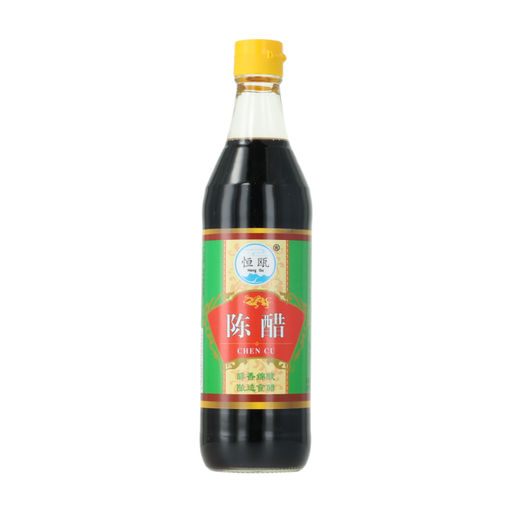
Why This Fits Their Persona: For anyone seeking the perfect dipping sauce for dumplings, an authentic Zhenjiang vinegar is indispensable. This product is specifically designed for this purpose, delivering the complex, slightly sweet, and malty flavour needed to complement the dumpling filling.
The ingredient list specifies glutinous rice and wheat bran, the traditional base for Zhenjiang vinegar. It is not a simple, coloured rice vinegar, but a genuinely brewed product.
Deep, complex flavour with a pleasant acidity. Ideal as a base for the classic dipping sauce with soy sauce and chilli oil.
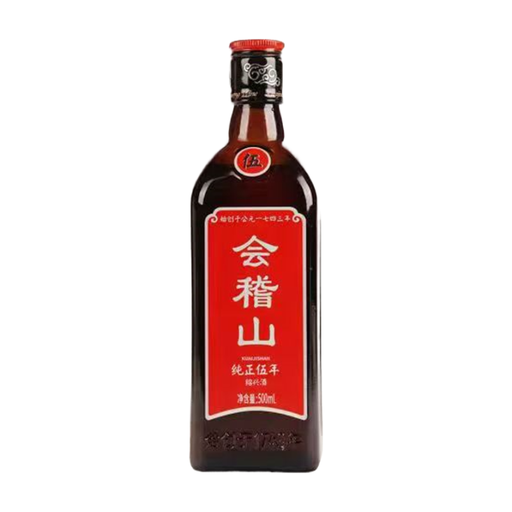
Why This Fits Their Persona: For dishes like Hong Shao Rou (red-braised pork belly) or complex stews, a potent Shaoxing cooking wine is essential. This product provides the depth and aroma needed to tenderise meat and give the sauce a rich, layered flavour.
This is not a diluted "cooking wine." The product specifies an ageing period of five years and has an alcohol content of ≥14.0% vol., which guarantees its potency and quality.
Rich, mellow flavour from extended ageing. Effective at neutralising meat odours and adding a deep umami flavour.
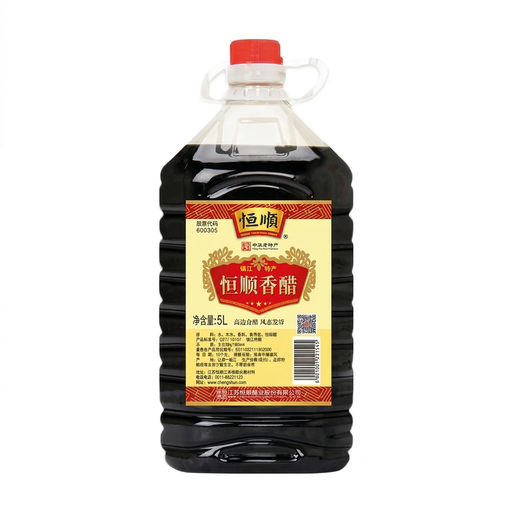
Why This Fits Their Persona: For the home cook or food service professional who regularly prepares Chinese dishes and needs a reliable, versatile vinegar for dipping sauces, cold appetisers, and stir-fries. The large format offers excellent value for frequent use.
Although it's a bulk size, this vinegar comes from Hengshun, one of China's most famous vinegar producers from the Zhenjiang region. This guarantees a baseline quality and an authentic brewing process.
Excellent price per litre. A reliable, versatile vinegar from a reputable brand, suitable for a wide range of applications.
We have compiled a complete, up-to-date list of products that fully meet these strict selection criteria and comply with current regulations.
Although both are made from grains, they are very different. Chinese black vinegar (like Zhenjiang vinegar) is aged, resulting in a dark colour and a complex, malty, and slightly sweet flavour. It is made from ingredients like glutinous rice, wheat, or sorghum. White rice vinegar is typically unaged or only briefly aged, has a clear colour, and a sharper, simpler acidic taste.
It can work as a substitute in a pinch, but it's not a perfect replacement. Genuine Shaoxing cooking wine has a unique, earthy, and slightly salty flavour that is essential for the authenticity of many Chinese dishes. Dry sherry is fruitier and lacks the depth and specific aroma that Shaoxing wine adds, especially in stews and marinades.
For the classic dipping sauce for Northern Chinese dumplings (like jiaozi), Zhenjiang vinegar is the traditional choice. Its complex, slightly sweet, and malty flavour perfectly balances the saltiness of soy sauce and the heat of chilli oil. For a simple, fresh salad dressing, a white rice vinegar is often a better choice.
