
Same-day & Next-day Delivery

Quality Guaranteed

Unlock Your Welcome Offers: FREE Delivery | Up to 80% OFF | Free 30-day JoyPlus trial
Download the APP
Chinese chive dumplings are a handy choice for a quick meal, lunch or snack. Take them straight from the freezer and cook them in a frying pan, saucepan or steamer. However, products can vary considerably in their fillings, size, cooking methods and allergens. So attractive packaging doesn’t always tell you everything you need to know.
Look out for these three common pitfalls:
Use the points below to compare frozen Chinese dumplings and find the right ones for you.
Don’t just look at the net weight. Check the quantitative ingredient declaration too. According to the product information, the filling in Sanquan Chinese Chive & Egg Dumplings makes up at least 45% of the product. The ingredients include chives, egg, glass noodles, cabbage, tofu skin and soya protein.
Synear Premium Chive & Egg Dumpling lists 24% chives and 21% scrambled egg. For one variety, FRESHASIA lists 21% chives and 15% egg. These percentages make it easier to compare egg and chive dumplings on an equal footing.
For a meat-filled variety, the meat and chive percentages are particularly relevant. According to the product information, TCT Pork Dumplings With Chives contain 26% pork and 13% Chinese chives. KUNGFU Pork & Chive Dumplings list 24% pork and 12% chives.
Most frozen dumplings can be cooked without defrosting first. This helps prevent the wrappers from becoming soggy or sticking together. Always check the pack instructions, as cooking times vary between products.
Do not eat any product raw. The wrapper and filling must be heated all the way through.
Many Chinese dumplings contain wheat or gluten. Depending on the filling, they may also contain egg, soya, sesame, crustaceans or molluscs. Check the allergen information before buying, especially if you have a food allergy or are cooking for several people.
Store frozen products at -18 °C or below. According to the product information, once defrosted, a product must not be refrozen. Ideally, take the pack out of the freezer just before cooking and keep any remaining dumplings well sealed.
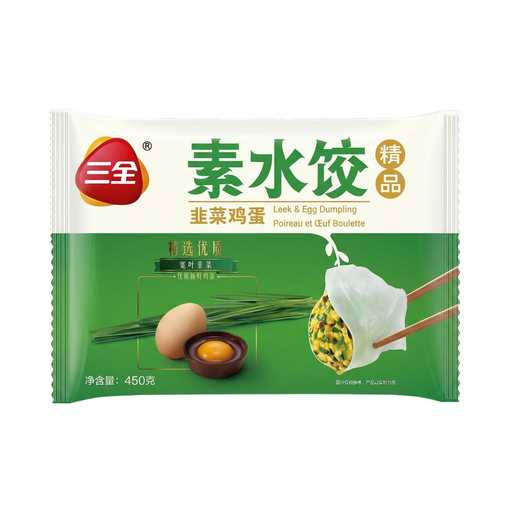
Why it suits this profile: A versatile pack for anyone trying Chinese chive dumplings for the first time and keen to try different cooking methods.
The stated filling content is at least 45%. The instructions cover boiling, frying and steaming, so you’re not limited to just one cooking method.
450 grams per pack; filling with chives, egg, glass noodles, cabbage and tofu skin.
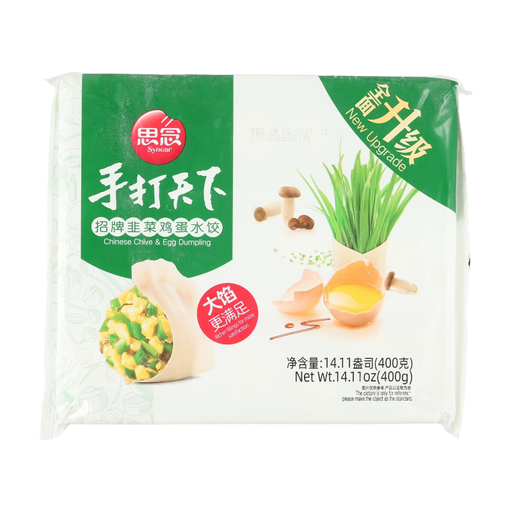
Why it suits this profile: A good choice for home cooks who want to compare the proportions of egg and chives with the other ingredients.
The product information gives specific percentages: 24% chives and 21% scrambled egg. It also includes instructions for boiling, steaming and pan-frying.
400 grams; also contains wood ear mushrooms and king oyster mushrooms; suitable for three cooking methods.
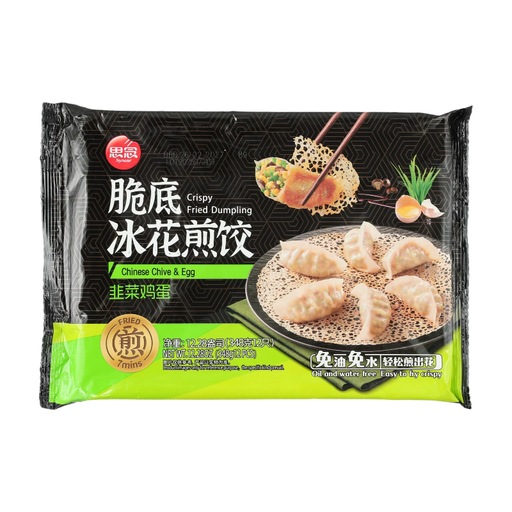
Why it suits this profile: For anyone specifically looking for a crispy pan-fried option rather than soft boiled or steamed dumplings.
The cooking method is designed to give you a crispy base: fry the dumplings, add starch water and cover the pan to finish cooking.
348 grams; crispy ‘lace’ texture according to the product description; no need to defrost.
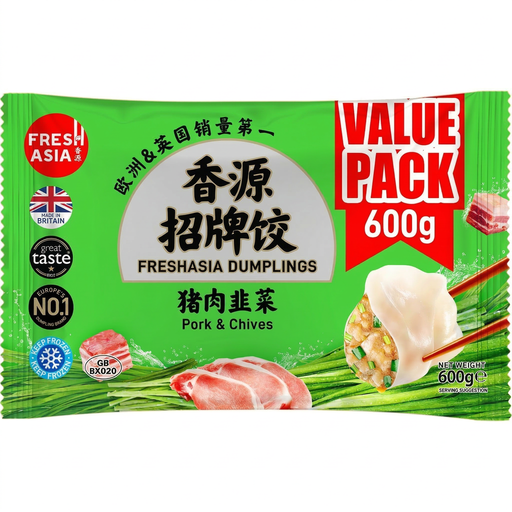
Why it suits this profile: A larger pack for households that regularly serve pork and chive dumplings.
The product information lists 25% pork and 15% chives. This means you can choose based on specific ingredients, rather than relying on the packaging alone.
600 grams; suitable for boiling; the product information describes a thin, chewy wrapper and a classic pork and chive combination.
We’ve put together a complete, up-to-date list of products that meet these strict selection criteria and the applicable European safety requirements.
Most products can be cooked straight from the freezer. Boil them in plenty of boiling water, steam them according to the pack instructions or start by frying them in a little oil. For some pan-fried dumplings, add water and cover the pan to make sure the wrappers and filling cook through. Do not eat dumplings raw.
Chive gyoza are similar to Chinese dumplings, but their shape, wrapper and filling can differ. So check the specific cooking instructions. Boiling, frying and steaming are common methods, but cooking times depend on the size and type of product.
Keep them at -18 °C or below at all times and follow the use-by date on the pack. Only defrost the amount you plan to cook straight away. According to the product information, defrosted products must not be refrozen.
