
Vandaag of morgen in huis

Kwaliteit gegarandeerd

Welkomstaanbiedingen ontgrendelen: GRATIS bezorging | Tot 80% korting | Gratis 30 dagen JoyPlus-proefperiode
Download de app
Want to buy Chinese chilli oil, but mostly see jars labelled chilli crisp, crispy chilli oil and “extra hot”? It can be difficult to tell what you’re actually getting. Some condiments are mostly oil, while others contain plenty of chilli, peanuts, fermented black beans or garlic.
When choosing, look out for these three common pitfalls:
For a classic chilli oil for noodles or rice, the ratio of oil to chilli determines the texture. For example, ChuanLaoHui Sichuan Oil Chilli states that it contains at least 55% rapeseed oil and 22% chilli. The jar also contains peanuts, sesame and fermented black beans, among other ingredients.
A product with a higher proportion of chilli or chilli flakes will generally have more pieces and a more substantial texture. A variety made mostly with oil is more likely to be a runny condiment that you can stir into noodles, soups or stir-fries.
These product types may look similar, but they aren’t interchangeable:
Always check the product description. Brands may make claims about flavour or preparation based on their own information; don’t automatically assume these guarantee a particular taste experience.
Chilli condiments are usually used in small amounts, but their salt content can vary considerably. Tantanxiang Chopped Chili for Rice lists 10.2 grams of salt per 100 grams. Tan Tan Xiang Premium Chopped Chili 425g lists 12 grams of salt per 100 grams. Portion size is therefore important, especially if you’re combining the condiment with soya sauce, stock or other salty ingredients.
Also check for allergens:
Store an opened jar according to the label. Some products need to be refrigerated after opening and used promptly. Always follow the information on the packaging, as storage instructions and shelf life vary by product.
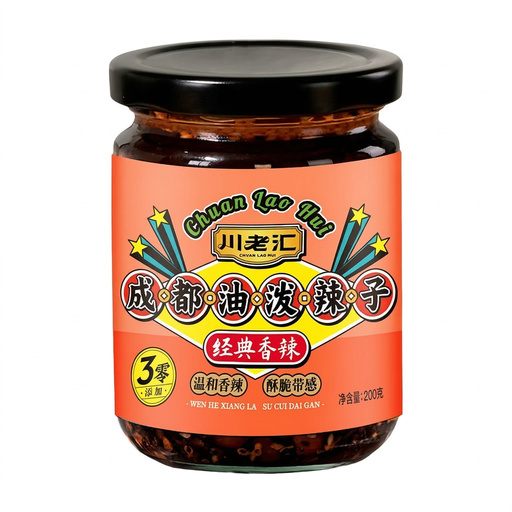
Why it suits this profile: A practical first choice if you want one jar to use with noodles, rice, dips and stir-fries. The product information clearly states the proportions of oil and chilli.
The ingredients include at least 55% rapeseed oil and 22% chilli. This makes it easier to tell in advance whether you’re buying an oilier condiment or one with more pieces. Allergens such as peanuts, sesame and soya are listed.
200g; suitable for mixing, dipping and stir-frying; country of origin according to the product information: China.
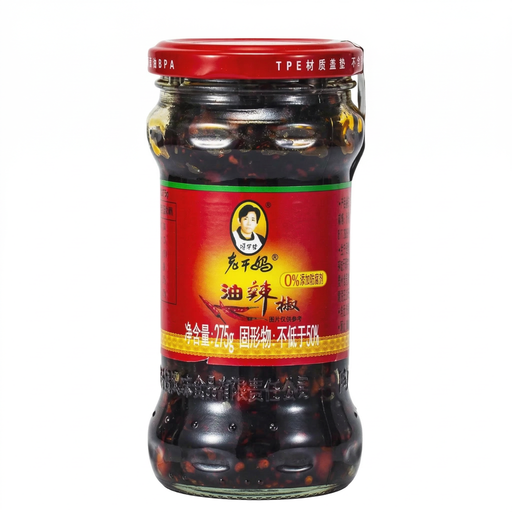
Why it suits this profile: A good choice for fans of crispy chilli crisp with visible pieces and nutty elements, without needing to combine several jars.
The product information lists 22% chilli flakes and 15% peanuts. This makes it clear that the texture comes from more than just oil. If you have an allergy, always check the current label.
275g; ready to serve with rice, noodles, dumplings and stir-fries; stir the oil and solid ingredients together before use.
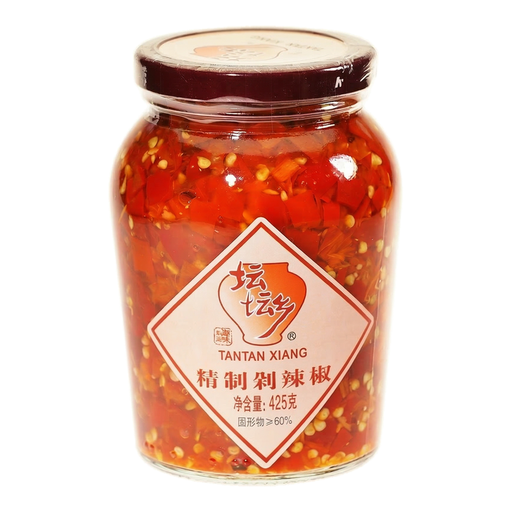
Why it suits this profile: A large jar for anyone who regularly cooks Hunan dishes, rice, noodles, hotpot or steamed dishes and wants to use chopped chillies in specific recipes.
Rather than giving a vague indication of the chilli content, the product information lists a preparation base of chilli, water, salt and garlic. The salt content of 12 grams per 100 grams is also stated.
425g; suitable as a cooking ingredient or table condiment; according to the product information, intended for use with rice, noodles, stir-fries and hotpot, among other dishes.
We’ve put together a complete, up-to-date list of products that meet these strict selection criteria and the applicable European safety requirements.
Start with a small amount of chilli oil and add more as needed. This gives you control over the heat, saltiness and texture.
Store the jar in a cool, dry place if the label allows. Refrigerate an opened product if the packaging says to, and always use a clean spoon.
A liquid chilli oil such as ChuanLaoHui Sichuan Oil Chilli is handy for stirring through noodles. A chilli crisp such as Lao Gan Ma Chili Oil 275 g also adds solid, crispy ingredients. The best choice depends on the texture you’re after.
It depends on the product. Check the storage instructions on the packaging. Chopped or moist chilli condiments are more likely to need refrigeration after opening than oil-based varieties. Use the product within the stated period once opened.
Read the full ingredients list and the separate allergen information. Look out in particular for peanuts, soya, sesame, wheat and sulphites. Check the packaging too if the ingredients have changed or when buying the product again.
