
Vandaag of morgen in huis

Kwaliteit gegarandeerd

Welkomstaanbiedingen ontgrendelen: GRATIS bezorging | Tot 80% korting | Gratis 30 dagen JoyPlus-proefperiode
Download de app
A jar of Chinese chilli sauce might seem like a simple choice, but the range varies hugely in flavour, texture, salt content and use. One Asian chilli sauce is mainly sweet and smooth, while another is made with oil, fermented beans, garlic or crunchy chilli pieces.
For home cooks in the UK, there are three common pitfalls:
That’s why it’s wiser to decide first what you want the sauce for, and then check the label.
The ingredients list gives you a practical indication of the flavour:
A sauce with plenty of oil and chilli pieces resembles chilli crisp. This type is suitable for rice, noodles and dumplings when you also want to add texture.
A smooth sauce is handy as a table sauce, dip or marinade. A coarser sauce with chopped peppers works better with rice, stir-fries and dishes where you want visible ingredients.
Examples:
The nutritional values per 100 g make products easier to compare. In the available product information, the values vary considerably. For example, the Haidilao Hotpot Dipping Sauce - Spicy lists 3.5 g of salt and 74 g of fat per 100 g. Tantanxiang Premium Chopped Chili has 10 g of salt per 100 g. The Nan Guo Spicy Yellow Pepper Sauce lists 13.9 g of salt per 100 g, but only 1 g of fat.
That doesn’t mean a product is automatically unsuitable. Just use a salty sauce in moderation and taste before adding extra salt.
Also look out for allergens:
Always check the packaging for the most up-to-date ingredient and allergen information.
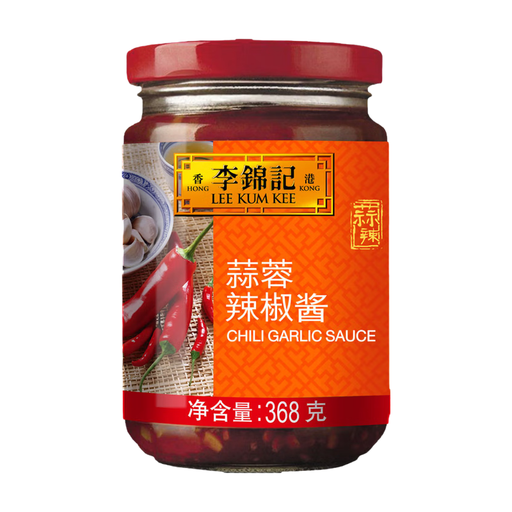
Why this fits the profile: A ready-to-use sauce for anyone who wants one jar for stir-fries, noodles, marinades and as a dip.
The ingredient list states that the sauce contains 59% salted chillies and 5% dried garlic. This makes it clear which flavour base you’re buying.
368 g, ready to use and, according to the product information, suitable for stir-frying, dips and marinades.
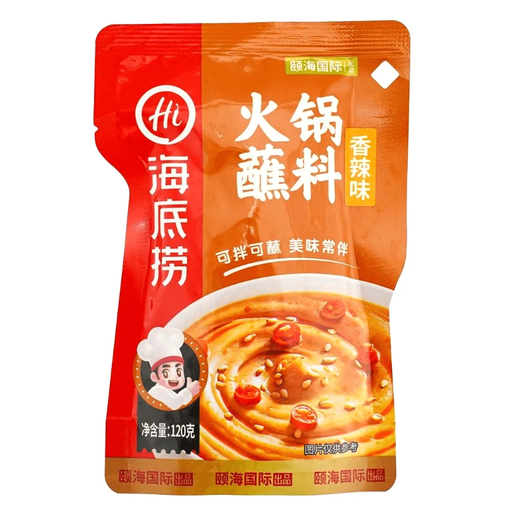
Why this fits the profile: Aimed at hotpot lovers and those who enjoy complex, savoury dips with sesame, fermented soya and Sichuan pepper.
The product information explicitly lists the main components and allergens. So you know the dip contains soya, sesame and wheat.
Ready to use for hotpot, noodles and dumplings; the combination with sesame paste and Sichuan pepper gives a clear regional style.
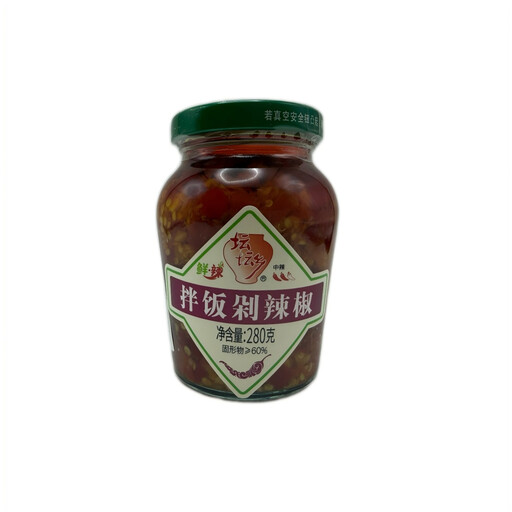
Why this fits the profile: For those who mainly cook rice, stir-fries and Chinese dishes with a Hunan character.
The application is specifically described: as a flavour enhancer, stir-fry base or ingredient. It’s not intended to be eaten straight as a main dish.
280 g, with chilli, garlic, ginger and soya sauce; ideal for quickly adding more flavour to a simple rice meal.
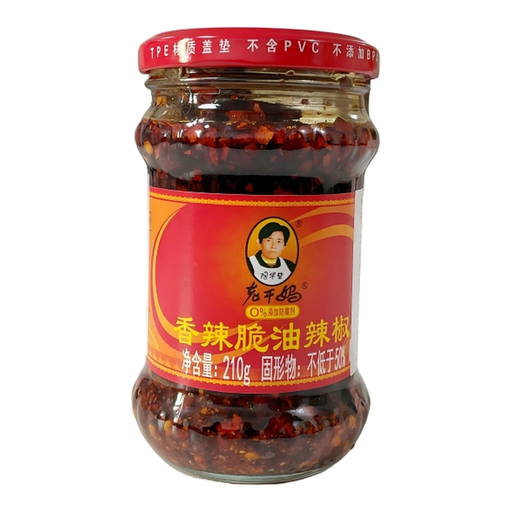
Why this fits the profile: For users who want crunchy pieces, peanuts and fermented soya in their noodles or rice, as well as heat.
The product information states 20% chilli flakes, 8% peanuts and 6% soya. So the coarse texture isn’t a vague marketing description.
Ready to use in rice, noodles, dumplings, hotpot and stir-fries. Please note: this product contains peanuts, soya, sesame and wheat.
We’ve put together a full, up-to-date list of products that fully meet these strict selection criteria and comply with current European safety regulations.
Start with a small amount and add more later. This is especially practical with salty Hunan and Sichuan sauces. For a simple noodle sauce, mix a teaspoon of chilli sauce with soya sauce, rice vinegar and a little sesame oil. For a marinade, you can combine chilli with garlic, ginger and a neutral oil.
Store opened jars according to the label. Many products need to be refrigerated after opening and used soon after. Always use a clean spoon to preserve the shelf life and flavour as well as possible.
Not always. Sambal is usually a finely ground chilli paste, whereas Chinese varieties can contain oil, garlic, fermented beans, sesame or Sichuan pepper. A Chinese chilli sauce can therefore serve as an alternative to sambal, but the flavour and texture differ from product to product.
For rice, you can choose a roughly chopped Hunan chilli sauce or a chilli crisp with pieces. For noodles, both a garlic sauce and an oily variety work well. Just check whether you want a smooth sauce or extra texture.
This varies by product and packaging. Store the sauce as indicated on the label; for many Chinese chilli sauces, refrigeration after opening is recommended. Look out for changes in smell, colour, mould and texture. If in doubt, don’t use the product.
