
Vandaag of morgen in huis

Kwaliteit gegarandeerd

Welkomstaanbiedingen ontgrendelen: GRATIS bezorging | Tot 80% korting | Gratis 30 dagen JoyPlus-proefperiode
Download de app
A jar of Chinese chilli sauce may seem simple to choose, but the differences between sauce, chilli oil, chilli crisp and hotpot seasoning are significant. One variety is intended as a topping for noodles, while another needs to be fried first. If you rely solely on eye-catching packaging or claims such as “authentic flavour”, you could end up with a product that is too salty, too oily or awkward to use.
This guide will help you choose Chinese chilli sauce based on its ingredients, intended use and packaging. That way, you can find a flavour enhancer to suit your kitchen and eating habits.
A high chilli content does not automatically mean a complex sauce. Some products consist mainly of oil, salt and chilli powder. Others contain fermented bean paste, garlic, ginger, Sichuan pepper or sesame. These ingredients add aroma and savoury depth alongside the heat.
For noodles or rice, an aromatic Chinese chilli oil may be more enjoyable than a very hot, straightforward oil. For a Sichuan dish or hotpot, you may instead need a sauce containing bean paste and Sichuan pepper.
Chilli crisp and many Chinese chilli oils can be used straight away. Hotpot seasoning or a spicy stir-fry sauce usually needs to be heated. If you use hotpot seasoning directly as a dip, the flavour may be too concentrated and the solid ingredients may not be evenly distributed.
Always check whether the packaging says “ready to eat” or “for cooking”. This small difference determines how you can use the product safely and practically.
Chinese chilli sauce often contains soya, peanuts, sesame, wheat, broad beans or shellfish. Even if you do not have an allergy, it is worth checking the label. Salt content varies considerably between products. The Shoo Loong Kan hotpot base, for example, lists 17.8 grams of salt per 100 grams, while some chilli crisp varieties contain less.
When using a salty sauce, start with a small amount and add more seasoning later if needed. This helps prevent a dish from becoming difficult to adjust.
Choose the format based on how you intend to use it:
A QUID declaration shows how much of an important ingredient a product contains. Lao Gan Ma Peanut Chilli Oil, for example, lists 22% chilli flakes and 15% peanuts. Ji Xiang Ju Handmade Chilli Oil contains 25% chilli flakes.
This does not tell you exactly how hot a product will taste, but it does indicate roughly how much chilli or texture you can expect. For chilli crisp, the percentage of solid ingredients is particularly relevant: an oil with plenty of pieces offers more bite than a clear chilli oil.
A 200 to 330-gram jar may seem generous, but an oily flavour enhancer can be used quickly if you eat noodles or rice every day. Also check:
The nutritional information is also useful for comparison. Because chilli oil is oil-based, it often contains a lot of fat and energy. That is not necessarily a problem, but it is a reason to measure out the amount you use carefully.
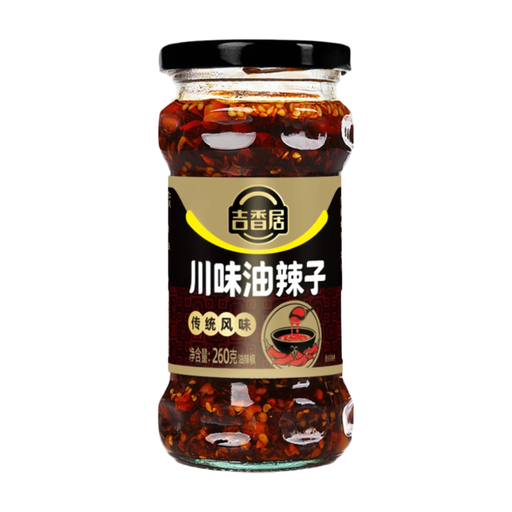
Why it suits this profile: This ready-to-use Chinese chilli oil can be mixed straight into rice or noodles and can also be added to stir-fries.
The usage description clearly states that the oil is ready to use. You therefore do not need to treat a cooking base as a dip.
260 grams of product; Sichuan pepper, garlic and spices listed among the ingredients; suitable for noodles, rice and stir-fries.
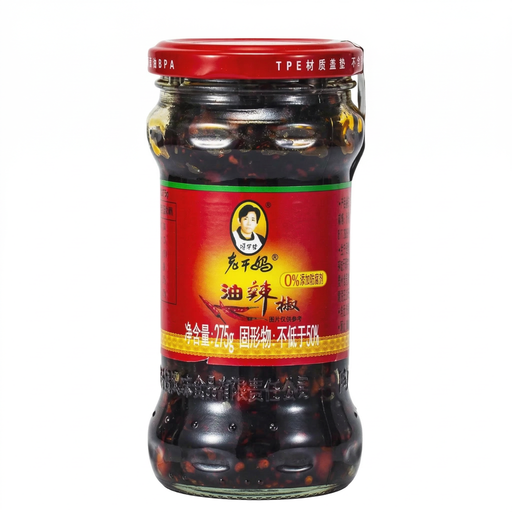
Why it suits this profile: Ideal for anyone looking for texture and savoury depth as well as heat in rice, dumplings, noodles or stir-fries.
The product information gives specific proportions: 22% chilli flakes and 15% peanuts. This gives you a clearer idea of what you are buying than an oil with no stated proportions.
Crunchy chilli flakes and roasted peanuts; 275 grams of product; ready to use. Contains peanuts and wheat.
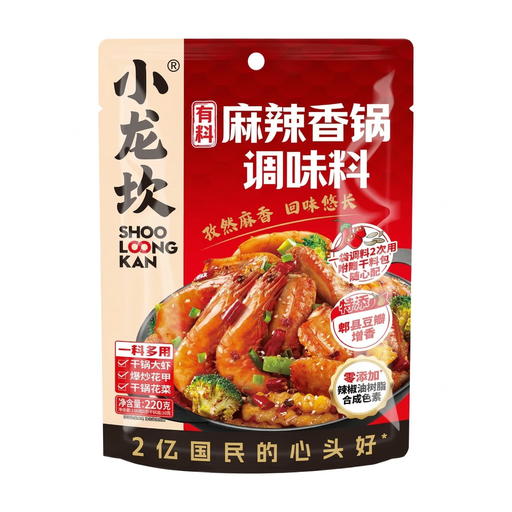
Why it suits this profile: This hotpot seasoning is intended for larger cooking occasions and dishes containing around 800 grams of ingredients, according to the product description.
The pack contains two 105-gram sauce sachets and a 10-gram sachet of dry seasoning. The preparation method makes it clear that this is a cooking base.
Duo pack containing sauce and dry seasoning; cumin in the dry mix; suitable for hotpot and stir-frying meat, seafood or vegetables.
We have put together a complete, up-to-date list of products that fully meet these strict selection criteria and the applicable European safety regulations.
Chinese chilli oil mainly consists of oil infused with chilli and spices. Chilli crisp also contains solid, often crunchy ingredients such as chilli flakes, peanuts, sesame or soya beans. Choose oil for a smooth sauce and crisp when you want more texture.
A ready-to-use Sichuan chilli oil or chilli crisp is practical for noodles. Check the ingredients if you want to avoid peanuts, soya, sesame or wheat. Start with one teaspoon and add more to taste.
Shelf life varies from product to product. Check the date on the packaging and the storage instructions for after opening. Seal the jar tightly, use a clean spoon and refrigerate the product if the label advises you to do so.
