
Vandaag of morgen in huis

Kwaliteit gegarandeerd

Welkomstaanbiedingen ontgrendelen: GRATIS bezorging | Tot 80% korting | Gratis 30 dagen JoyPlus-proefperiode
Download de app
A jar of Chinese chilli sauce can quickly add a kick to a simple bowl of rice, noodles, dumplings or stir-fried vegetables. Yet not every sauce tastes the same. One variety is mostly chilli oil, while another contains garlic, fermented beans, yellow peppers or Sichuan pepper.
The biggest mistake shoppers make is only looking at the word “spicy”. Pay attention to the texture, salt content, allergens and how you plan to use the sauce.
A sauce can be hot but have little aroma or umami. For rice and noodles, ingredients such as garlic, fermented black beans, mushroom, spices or soy products often determine the flavour.
If you mainly want heat, a sambal, yellow pepper sauce or a simple chilli paste might be a better fit. If you’re after a fuller flavour, look at chilli crisp, Sichuan chilli sauce or chilli oil with extra ingredients.
With chilli crisp and chilli oil, a large part of the jar can be oil. This gives a smooth, rich texture but also a higher energy value per 100 grams. For example, Chuannan Spicy Oil lists 63.8% rapeseed oil as an ingredient and 666 kcal per 100 grams.
A sauce with bell pepper, garlic or yellow pepper as the main ingredient can be lighter in texture. Nan Guo Spicy Yellow Pepper Sauce lists at least 47% yellow pepper and 46 kcal per 100 grams. Always check the current label, as recipes and packaging information can change.
Chinese sauces often contain soya, wheat, peanut or sesame. This applies to varieties with fermented black beans or peanuts, among others. Storage advice also differs: some products need to be refrigerated after opening and used quickly.
So look out for:
Chilli oil and chilli crisp work well with noodles, dumplings, rice and stir-fries. They bring oil and spices, and can contain crunchy pieces of chilli, beans or other ingredients.
A garlic chilli sauce is more convenient if you want to add heat and garlic flavour in one go to marinades, soup or wok dishes. A yellow pepper sauce often has a fresher, more pronounced pepper taste. Check whether the sauce is sweet, sour, salty or fermented before you buy a large jar.
The nutrition table helps you compare sauces fairly. Pay particular attention to:
A low calorie count does not automatically mean low salt. For example, Nan Guo lists 46 kcal but also 13.9 grams of salt per 100 grams. So use such a sauce sparingly and taste first before adding extra salt to your dish.
For everyday use on rice or noodles, a medium jar of around 200 to 280 grams is practical. For a dipping sauce with dumplings, you might want a smooth, easy-to-dose variety. For stir-frying or marinating, garlic, oil and a robust seasoning are often more useful than chilli alone.
The product description gives an initial indication, but taste remains personal. Start with half a teaspoon and add more later.
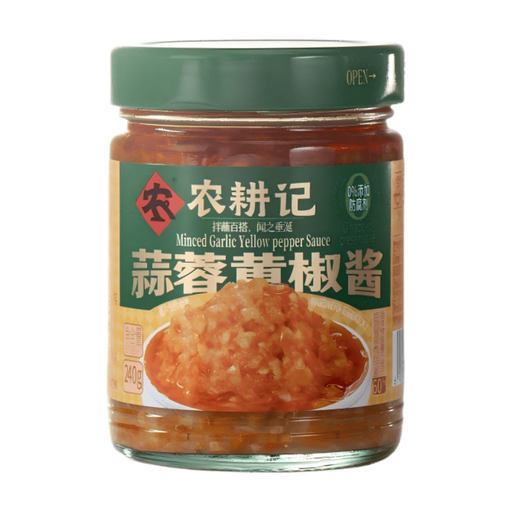
Why this fits the profile: A versatile sauce for anyone starting out with just one jar. According to the product description, it is suitable for stir-frying, marinating, dipping and noodles.
The flavour is not determined by chilli alone: garlic, oil, sugar and salt are also listed in the ingredients.
240 gram net weight, 210 kcal per 100 grams and, according to the label, none of the 14 major EU allergens.
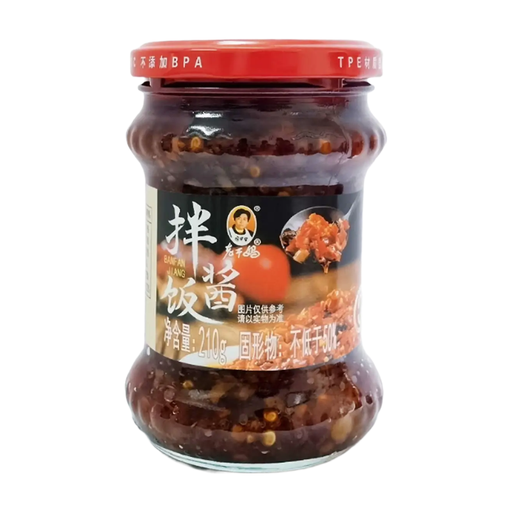
Why this fits the profile: For lovers of a robust texture and a savoury flavour. The product information mentions chilli, rapeseed oil, soya, mushroom and spices.
The combination of solid ingredients and oil delivers more than just sharp heat. Do watch out for soya and the salt content of 7.8 grams per 100 grams.
210 grams, suitable for rice and noodles, with 35.2 grams of fat and 401 kcal per 100 grams according to the stated nutritional values.
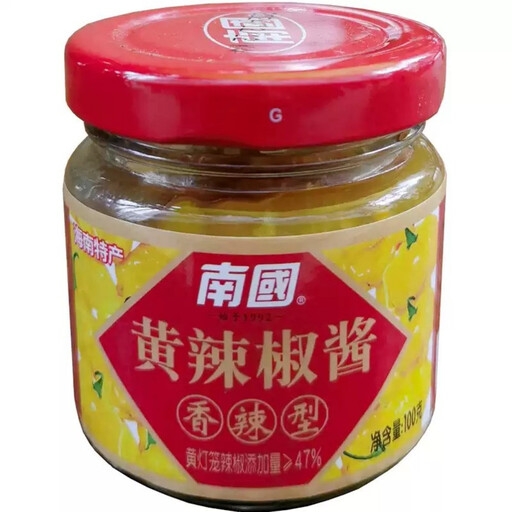
Why this fits the profile: A targeted choice for anyone looking for yellow pepper and a fresher, sour flavour for dips, noodles or rice.
The label states at least 47% yellow pepper, making the base clearer than with a sauce that is mostly oil.
100 grams, 46 kcal and 1 gram of fat per 100 grams according to the product information. Refrigerate after opening for best quality.
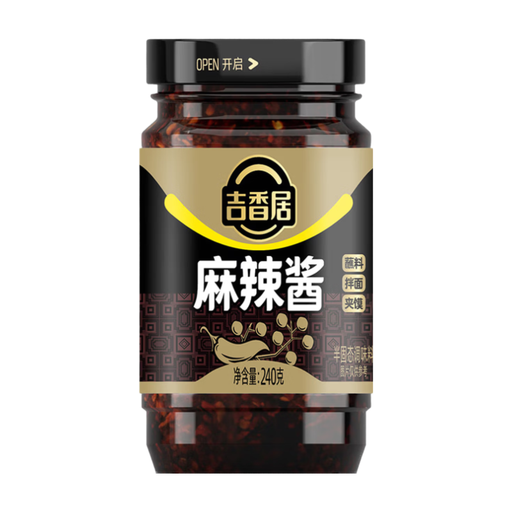
Why this fits the profile: The product description mentions 35% chilli and Sichuan pepper as part of a mala profile, suitable for rice, noodles, stir-fries and dips.
The listed ingredients give insight into the flavour base: chilli, mustard, rapeseed oil, broad beans, garlic and pepper.
240 grams, 442 kcal and 6 grams of salt per 100 grams according to the label. Contains wheat; check the packaging if you have allergies.
We have put together a full, up-to-date list of products that fully meet these strict selection criteria and current European safety regulations.
For noodles, chilli crisp, chilli oil and sauces with garlic or fermented beans are practical choices. They mix easily with warm noodles. Add a small amount first and thin it out with a splash of cooking water if needed.
This varies by product. Store an opened jar according to the label. Some sauces can be kept in a cool, dark place, while others need to go in the fridge after opening. Always use clean utensils and check the smell, colour and texture before adding the sauce.
No. Sambal is usually a ground chilli mixture, often with salt and acid. Chinese chilli sauce can also contain oil, soya, garlic, mushroom, beans or Sichuan pepper. So the sauces differ not only in heat but also in texture and umami.
