
Vandaag of morgen in huis

Kwaliteit gegarandeerd

Welkomstaanbiedingen ontgrendelen: GRATIS bezorging | Tot 80% korting | Gratis 30 dagen JoyPlus-proefperiode
Download de app
A jar of Chinese chilli sauce might seem simple to pick, but the difference between chilli oil, chilli crisp, sambal and sweet chilli sauce is huge. One sauce is mainly oily and aromatic; another is sweet-and-sour or heavily salted. If you only look at “spicy” or an eye-catching label, you could end up buying a product that hardly suits the dishes you have in mind.
In this buying guide, you’ll learn what to look for when buying Chinese chilli sauce in the UK. We compare flavour profile, ingredients, nutritional values, allergens and ways to use it. That way, you can make a more informed choice for noodles, rice, dumplings, hotpot or everyday cooking.
A high amount of chilli doesn’t automatically mean a sauce is aromatic or versatile. Some products combine chilli with garlic, fermented beans, Sichuan pepper or sesame. Other sauces are mainly sweet, sour or salty.
So pay attention to the full flavour profile:
A large bottle might look like good value, but a sauce with lots of sugar or oil is used differently from a concentrated chilli paste. Always check the net weight, the order of ingredients and the nutritional values per 100 grams.
For example: Sunlee Sweet Chilli Sauce contains 52 grams of carbohydrates and 48 grams of sugars per 100 millilitres, according to the product information. That makes this sauce a logical choice if you’re after a sweet-spicy dip, but less suitable if you want an oil- or pepper-driven flavour.
Chinese and other Asian sauces often contain soya, sesame, peanuts, wheat or sulphites. Haidilao Hotpot Dipping Sauce, for instance, contains soya, sesame and wheat. Lao Gan Ma Peanut Chilli Oil contains peanuts and wheat. So always read the current label before you order or serve.
Once opened, a product often needs to be refrigerated. For some oil-based products, a cool, dry place is recommended instead. Follow the instructions on the packaging, as they are the definitive guide.
For a distinctive Chinese flavour, look out for ingredients such as Sichuan pepper, fermented black beans, garlic, sesame and chilli flakes. A Sichuan chilli sauce or chilli oil often gives a spicier and more aromatic result than a simple red sauce.
For Hunan dishes, Hunan chilli sauce or chopped chilli often works well. These products are generally saltier and more peppery, so a small amount can be enough for rice, noodles or steamed fish.
The texture determines how you use the sauce:
Compare nutritional values per 100 grams, but also look at the typical serving size. Tantanxiang Premium Chopped Chili contains 10 grams of salt per 100 grams, according to the product information. That’s relevant when you stir the product generously into a dish. Yun Shan Ban 0 Fat Chili Sauce states 0 grams of fat per 100 grams, but does contain 2,850 mg of sodium per 100 grams.
These figures don’t tell you which sauce to choose. They do help you select a product that suits your cooking style and portion size.
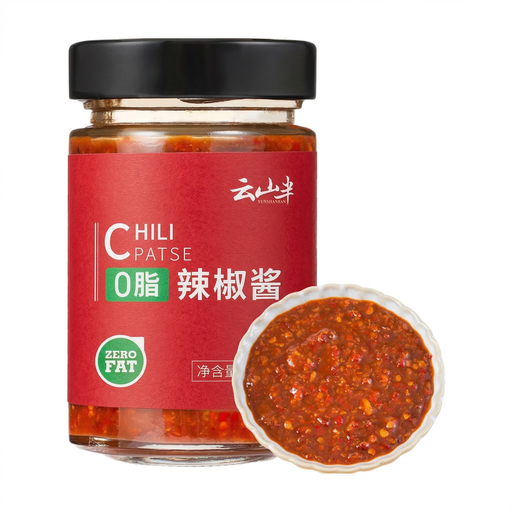
Why this suits the profile: The sauce can be used as a dip, with rice and in stir-fries. The 250-gram jar is practical for anyone wanting to try different Asian sauces.
The product information states 0 grams of fat per 100 grams, so you can clearly tell the difference from chilli oil. Do check the sodium content and ingredients.
0 grams of fat according to the product information, 250-gram content and multiple uses.
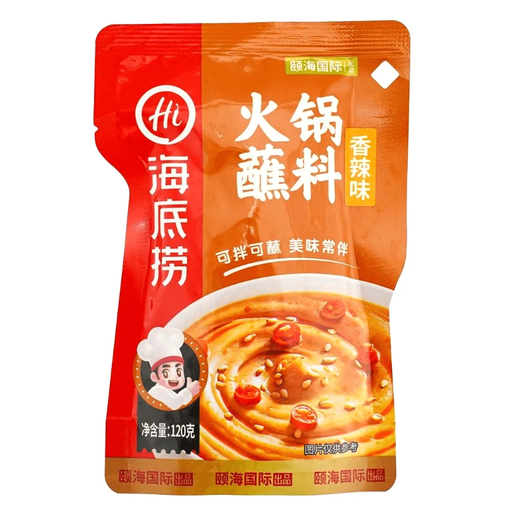
Why this suits the profile: This ready-to-use hotpot sauce combines sesame paste, fermented tofu, chilli and Sichuan pepper, according to the product description.
The application is clearly described: use it straight away as a dip or flavouring. That means you don’t need to put together a separate spice mix.
120 grams, ready to use and suitable for hotpot, noodles and dumplings.
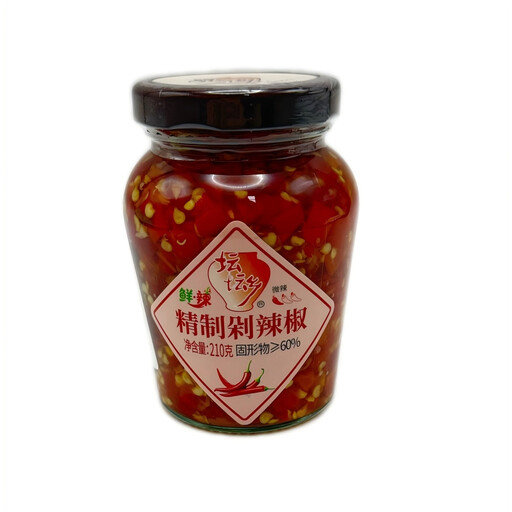
Why this suits the profile: According to the product information, the chopped chilli is suitable for rice, noodles, stir-fries and steamed fish.
The product information states 75% fresh chilli. At the same time, the product contains 10 grams of salt per 100 grams, so portion control remains important.
210 grams, 36 kcal per 100 grams according to the data and a clear Hunan-style application.
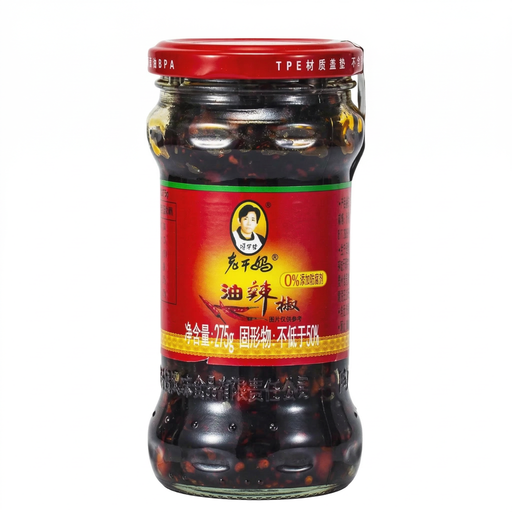
Why this suits the profile: The combination of chilli flakes and peanuts adds texture to noodles, rice, dumplings and stir-fries.
The label states 22% chilli flakes and 15% peanuts. This shows that the crunchy texture doesn’t come from oil alone.
275 grams, chilli crisp with peanuts and ready to use as a topping.
We’ve put together a full, up-to-date list of products that fully meet these strict selection criteria and comply with current European safety regulations.
For noodles and rice, you can choose from chilli oil, chilli crisp or chopped chilli. Chilli oil mixes easily into the dish. Chilli crisp adds pieces of chilli and often peanuts or soya beans. A chopped Hunan chilli gives a saltier, more peppery flavour. Start with a small amount and add more afterwards.
Gochujang is a Korean fermented red pepper paste. The product typically contains rice or grains, fermented soya and a noticeable sweetness. Chinese chilli sauce is a broad category that includes chilli oil, Sichuan chilli sauce and Hunan chilli sauce. With gochujang, check for wheat, soya and gluten when that’s relevant.
Always follow the label. Many sauces need to be refrigerated after opening and used promptly. Oil-based products can sometimes be stored in a cool, dry place. Use a clean spoon, keep the packaging tightly closed and check the best-before information on the packaging.
