
Vandaag of morgen in huis

Kwaliteit gegarandeerd

Welkomstaanbiedingen ontgrendelen: GRATIS bezorging | Tot 80% korting | Gratis 30 dagen JoyPlus-proefperiode
Download de app
A jar of Chinese chilli sauce can quickly add more flavour to a simple bowl of rice or noodles. However, sauces vary considerably in heat, texture, salt content, oiliness and intended use. A smooth chilli garlic sauce behaves differently from a chunky chilli crisp, while a Sichuan dipping sauce may be designed primarily for hotpot or barbecue.
The packaging also does not always make it immediately clear what you are buying. Words such as “traditional”, “authentic” or “extra flavourful” mean little without checking the ingredient list and nutritional information. Below, you will find the key considerations, along with some popular choices for 2026.
A hot chilli sauce is not automatically suitable for every dish. Some varieties consist mainly of chilli and oil, while others contain garlic, ginger, fermented black beans, sesame or Sichuan pepper. These ingredients determine whether the sauce tastes fresh, savoury, smoky, tangy, aromatic or especially rich.
For rice and noodles, a sauce with oil and pieces of chilli is often a great choice. For stir-fries, a thicker sauce with garlic or black beans may combine more effectively with vegetables, tofu or meat. So do not just look for the word “spicy”; check the first ingredients listed on the label as well.
A 240- or 280-gram jar may seem like good value, but after opening, many Chinese chilli sauces need to be refrigerated and used relatively quickly. A small jar or sachet is more practical if you only use the sauce occasionally. If you cook Asian-style dishes several times a week, a larger format may offer better value.
Pay attention to the storage instructions. For many products, the guidance is to store them in a cool, dry place before opening and refrigerate them afterwards. The exact shelf life is stated on the packaging and may vary by product.
Chinese sauces may contain soy, wheat, sesame, peanuts or sulphites. This applies, for example, to varieties containing fermented black beans, soy sauce or sesame paste. Read the allergen information carefully, even if you intend to use the sauce only as a dip.
Salt levels also vary considerably. The supplied product specifications, for example, list approximately 7.4 to 10.2 grams of salt per 100 grams for various chopped chilli sauces. Portion control is therefore important: start with a small spoonful and add more later if needed.
First, identify the type of sauce:
A brand’s product description is marketing information, not an independent assessment. According to the brands’ own product information, some varieties are recommended for rice, noodles, stir-fries or hotpot. Use the ingredient list to confirm whether the suggested use suits your cooking style.
A smooth sauce mixes easily into a stir-fry sauce or marinade. A chunky variety, by contrast, adds bite and visible pieces of chilli. With chilli crisp, the balance between oil and solid ingredients is key to achieving the desired mouthfeel.
Also check whether the product is ready to use straight away. Most of the sauces below can be added directly, but some are intended primarily as flavour enhancers rather than as a main component of a dish.
Compare the following per 100 grams:
A low fat content does not automatically make a product more suitable in every situation. A sauce containing little oil may still be high in salt. Consider the full label and adjust the portion to suit the dish.
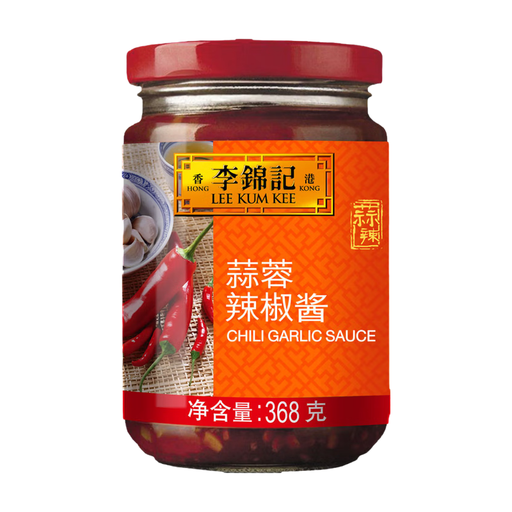
Why This Fits Their Persona: A versatile starting point for anyone who wants one jar to use in stir-fries, with dumplings, in marinades and as a dipping sauce. The product information lists salted chillies as the main ingredient and 5% dried garlic.
The ingredients and nutritional information are clearly stated. At 8 grams of salt per 100 grams, portion control matters so that you do not automatically add too much.
368 grams according to the product name; ready to use; suitable for stir-frying, dipping and marinating.
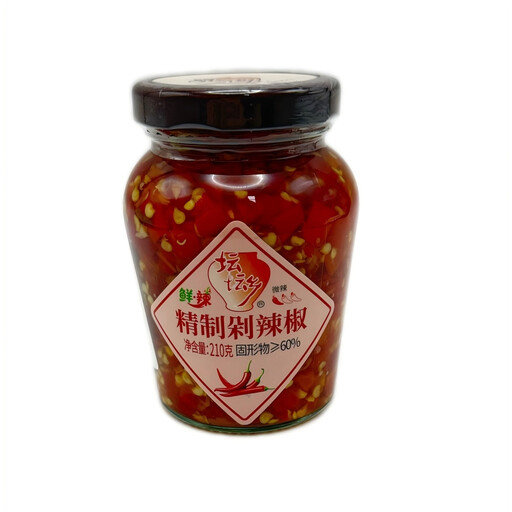
Why This Fits Their Persona: A good fit for anyone looking for a chunkier Hunan chilli sauce for rice, noodles, stir-fries or steamed fish. The product information lists 75% fresh chilli and fermented black beans.
The chilli percentage is stated explicitly. This makes it easier to see what the sauce is based on, rather than relying solely on terms such as “premium” or “traditional”.
210 grams; 75% fresh chilli according to the product specifications; refrigerate after opening.
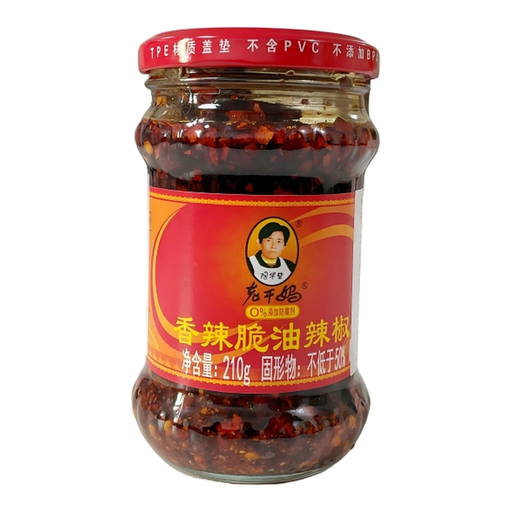
Why This Fits Their Persona: Ideal for anyone who regularly serves rice, noodles, dumplings, hotpot or cold noodles and wants a crunchy topping. The product specifications mention chilli, peanuts, black beans and soy.
The solid ingredients are specified: 20% chilli flakes, 8% peanuts and 6% soy. This makes it clear that it is a textured oil rather than a smooth sauce.
210 grams; ready to use; suitable as a topping, dipping sauce and flavour enhancer in stir-fries.
Browse our current range and compare flavour profile, size, ingredients and uses before placing your order.
A chopped chilli sauce, chilli oil or chilli crisp is often an excellent match for rice and noodles. Choose a variety with garlic, black beans or peanuts if you want additional texture and savouriness. For a smooth sauce to mix through noodles, chilli garlic sauce is easier to incorporate.
No. The level of heat depends on the chillies used, the ratio of oil and the other ingredients. Products containing sesame paste, sugar or fermented beans may have a rounder flavour, while sauces made with fresh or yellow chillies can taste noticeably sharper. The indication on the packaging is only a guide, so add the sauce gradually.
This varies by product. Always follow the label. Many sauces need to be refrigerated after opening and used promptly. Use a clean spoon, seal the jar tightly and check the smell, colour and texture before using the sauce.
