
Vandaag of morgen in huis

Kwaliteit gegarandeerd

Welkomstaanbiedingen ontgrendelen: GRATIS bezorging | Tot 80% korting | Gratis 30 dagen JoyPlus-proefperiode
Download de app
A jar of Chinese chilli sauce can transform a simple meal of rice, noodles or vegetables with a real punch of flavour. Yet at first glance, many sauces look remarkably similar. A red colour tells you little about the heat level, and words like “authentic” or “rich in flavour” don’t reveal how much salt, sugar, oil or flavour enhancers they contain.
So it’s worth paying close attention to the label and the intended use. That way, you’ll avoid buying a sauce that’s too sweet for your stir-fry, too salty as a dipping sauce, or one that sits unused in the fridge after a single dish.
A hot chilli sauce isn’t automatically complex in taste. Some varieties are made up of little more than chilli, water, sugar and acid. Others contain garlic, fermented black beans, bean paste, sesame or Sichuan pepper. These ingredients are what give the sauce its savoury and aromatic character.
If you’re looking for a sauce for everyday use, don’t just look for the words “hot” or “spicy”. Also check whether it contains garlic, fermented ingredients or spices.
An oily chilli crisp works very differently from a thin, sweet chilli sauce. The former is great with rice, noodles and dumplings; the latter is more often used as a dipping sauce or glaze. A chilli garlic sauce is generally more versatile for stir-fries, marinades and noodles.
For Korean dishes, gochujang is a different product category altogether: this fermented chilli paste usually contains rice, soya and chilli, and has a thicker, slightly sweet flavour. For Sichuan dishes, a sauce with Sichuan pepper can give you that tingling, slightly numbing sensation.
Asian sauces often contain soya, wheat, sesame or shellfish. So always check the allergen information, especially with sambal that includes prawns, fermented bean paste, or a chilli garlic sauce containing wheat.
Also keep an eye on the salt content. In the product information provided, this ranges from 3.5 grams to 11.76 grams of salt per 100 grams. That difference is noticeable when you’re cooking: with a salty sauce, you often only need a small amount.
The composition gives a good indication of how the sauce can be used:
A product with a lot of oil can be higher in calories. Lao Gan Ma Chili Crisp Sauce, for example, lists 35.2 grams of fat per 100 grams. That’s not a problem if you use a small amount, but it’s worth knowing if you’re generous with it every day.
The actual heat level isn’t always obvious from the product name. A sauce with garlic, sugar or oil can taste milder than a dry chilli or pepper dip. When trying a new product, start with one teaspoon and add more later.
If you’re after a mild base, choose a product that’s explicitly described as “slightly spicy”. For those who love pronounced heat, fresh chilli garlic varieties, sambal badjak hot, or a sauce with Chaotian chilli are logical choices.
Always check the label, because storage instructions vary from product to product. Many sauces need to be refrigerated after opening. According to the product information, this applies to Lee Kum Kee Chilli Garlic Sauce, Lao Gan Ma Chili Sauce and Ji Xiang Ju Mala Hot & Numbing Sauce, among others.
Use a clean spoon, screw the lid on tightly, and keep an eye on the best-before date. A sauce with oil may change in appearance over time; if in doubt, follow the information on the packaging.
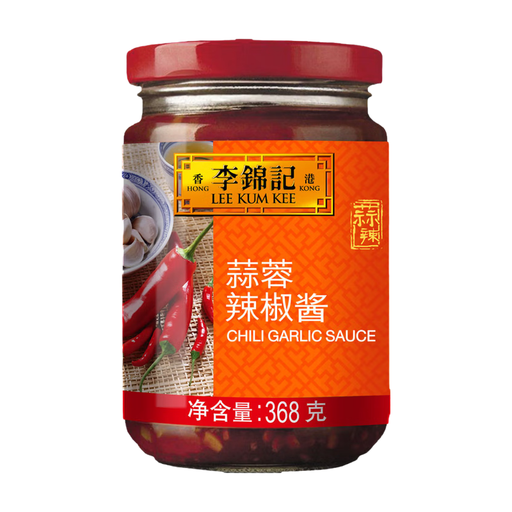
Why this fits the profile: A ready-to-use chilli garlic sauce for stir-fries, marinades, noodles and dipping. The jar contains 368 grams.
The use is broadly described and the ingredients list states 5% dried garlic. This makes it clearer what to expect in terms of flavour base.
Ready to use; suitable for stir-frying, marinating and dipping; refrigerate after opening.
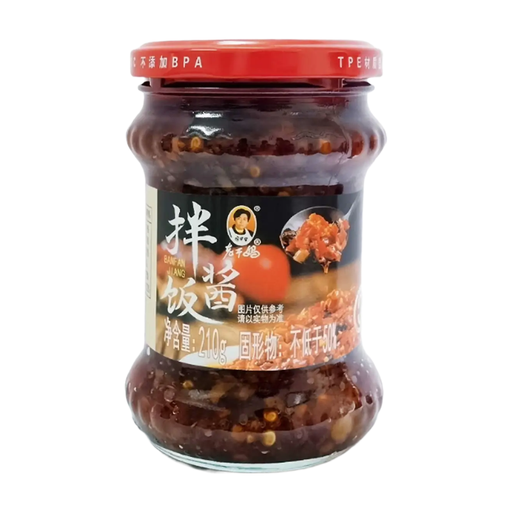
Why this fits the profile: For those looking for oil, chilli and savoury ingredients all in one sauce for rice, noodles and various hot dishes.
The product description explicitly mentions rice and noodles. The ingredients list chilli, rapeseed oil, soya, mushroom and spices.
Chilli crisp with oil and pieces of ingredients; soya listed as an allergen; 210 gram contents.
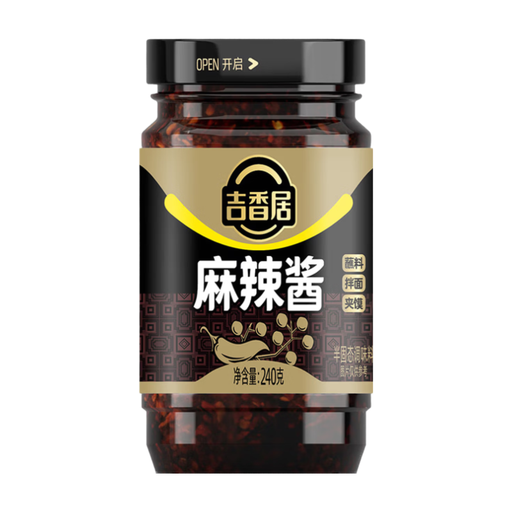
Why this fits the profile: Aimed at lovers of mala flavours with rice, noodles, stir-fries and as a dip.
The product information states 35% chilli and 27% mustard. The flavour direction is therefore clearer than with a generic “spicy sauce”.
Mala profile; 240 grams; ready to use; wheat listed as an allergen.
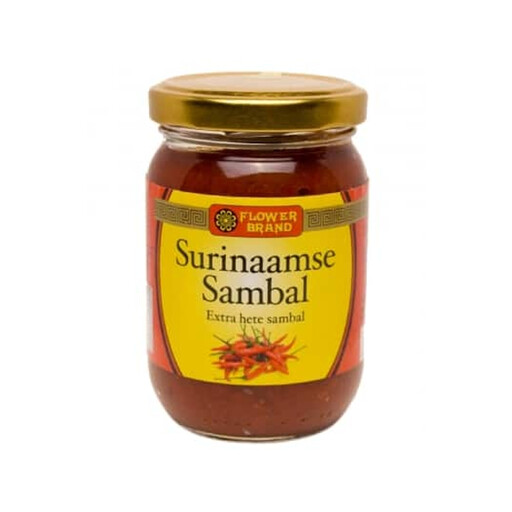
Why this fits the profile: A sambal for rice tables, snacks, chips, spring rolls and Surinamese meals, with herbs and spices alongside ground chilli.
The ingredients list includes tamarind, garlic, coriander, black pepper and habanero powder. The flavour is therefore not just about heat.
Surinamese sambal; herb-rich composition; none of the 14 main EU allergens listed in the product information.
We’ve put together a full, up-to-date list of products that fully meet these strict selection criteria and comply with current European safety regulations.
Sambal oelek, gochujang, Sichuan chilli sauce and Mexican chilli garlic sauce each have their own flavour profile. So choose based on the dish and the ingredients list, not just on origin or packaging.
Chinese chilli sauce often contains oil, garlic, bean paste, black beans or spices. Sambal is usually a finely ground chilli condiment where the emphasis can be on fresh pepper, herbs, onion or spices. The texture and flavour vary by brand and variety.
That depends on the product. Sauces on this page often state that they should be refrigerated after opening. Always check the label, use clean utensils, and keep an eye on the smell, colour and best-before information.
For noodles, oily chilli crisp, chilli garlic sauce and a Sichuan-style sauce are practical choices. For Korean noodles or marinades, gochujang can work well. Start with a small amount, because salt and heat levels vary significantly between products.
