
Vandaag of morgen in huis

Kwaliteit gegarandeerd

Welkomstaanbiedingen ontgrendelen: GRATIS bezorging | Tot 80% korting | Gratis 30 dagen JoyPlus-proefperiode
Download de app
A jar of Chinese chilli oil can quickly add more punch, aroma and texture to a simple meal. However, products vary widely. One variety consists mainly of seasoned oil, while another contains plenty of chilli flakes, peanuts, beans or sesame. That means not every chilli oil is suitable for the same dishes.
For home cooks in the UK, three pitfalls are particularly important: choosing a product based on colour alone, misjudging the heat level, and overlooking allergens or nutritional values. With the points below, you can compare Sichuan chilli oil, crispy chilli oil, chilli crisp and Chinese chilli sauce in a practical way.
A vivid red oil may look appealing, but colour doesn’t reveal how much chilli, Sichuan pepper or spices are in it. Always check the ingredients list. Some oils focus on oil and aromatics, while other products contain visible chilli pieces and crunchy ingredients.
If you’re looking for a pronounced authentic Sichuan flavour, don’t just focus on the amount of chilli. Sichuan pepper, garlic, ginger and spices also contribute to the aroma and the so-called mala character: a combination of heat and a tingling sensation on the tongue.
A product with lots of pieces isn’t automatically hotter. Peanuts, sesame, beans or fried garlic mainly provide crunch and savouriness. An oil with few solid ingredients can actually taste sharper.
What’s more, the terms “crispy”, “spicy” and “mala” aren’t used consistently. Read the product description and start with a small amount when using it. That way, you can adjust the flavour without overpowering a dish straight away.
Chinese chilli oil often contains peanuts, soya, sesame or wheat. Lao Gan Ma Peanut Chilli Oil lists peanuts and wheat as allergens. Ji Xiang Ju Sichuan-Style Chili Oil mentions soya, peanuts and white sesame. If you have an allergy, always read the label on the packaging and check the current product information.
The salt content also deserves attention. Liupo Chili Oil, for example, states 8.0 grams of salt per 100 grams, while other varieties show lower values. So use a salty chilli oil as a seasoning and only add extra soy sauce or salt at the end.
First, look at the order of ingredients. If oil comes first, the product is mainly a flavoured oil. A stated amount of chilli, such as 22% chilli flakes in Lao Gan Ma Peanut Chilli Oil or 25% chilli flakes in Ji Xiang Ju Handmade Chili Oil, gives you more insight into the composition.
For noodles and dumplings, solid ingredients are often welcome because they cling to the dish. For stir-frying or marinades, a more liquid sambal oil can be more convenient.
Many varieties are ready to eat. They can be spooned over rice, noodles or dumplings, or mixed with vinegar and soy sauce for a dip. Zhongjing Pepper Oil is different: the product information states that this oil is intended for preparation and is mainly used as a cooking oil with Sichuan pepper aroma.
So check whether the packaging says “ready to eat” or a similar usage instruction. That way, you won’t mistake a pure pepper oil for a ready-to-use topping.
The packaging shown ranges from 105 grams to 330 grams and more. A smaller jar is practical if you use chilli oil occasionally; a larger pack suits regular cooking.
Oil and solid ingredients can separate during storage. Lao Gan Ma Peanut Chilli Oil therefore recommends stirring the jar well before use. After opening, storage advice varies by product. Some varieties need to be refrigerated, while others can be kept in a cool, dry place at room temperature. Always follow the label on your packaging.
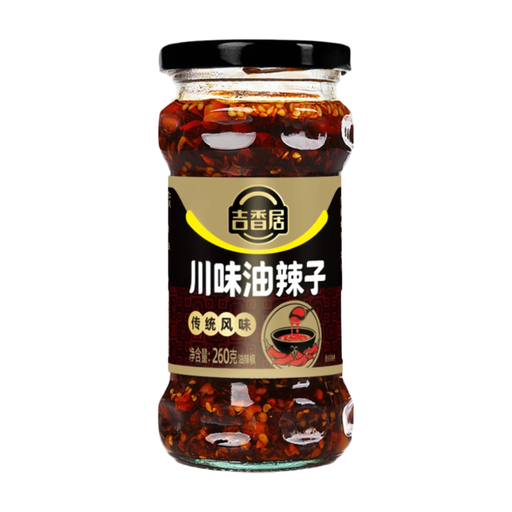
Why this fits the profile: This ready-to-use Sichuan-style oil is a good introduction to chilli oil for rice, noodles and stir-fries.
The product information lists specific uses and a content of 260 grams. The soya, peanuts and sesame present are clearly stated as allergens.
260 gram content; ready to use; contains chilli, Sichuan pepper, garlic and ginger among other ingredients.
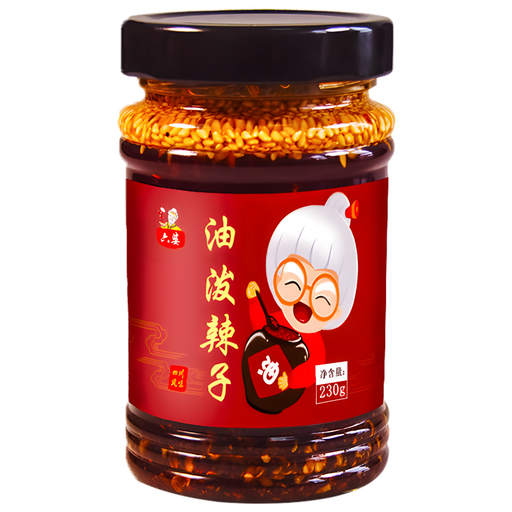
Why this fits the profile: The product description mentions a moderate heat level and aromas of sesame and peanut, ideal for those who value nuance over maximum heat.
The stated 14% chilli and the suggested uses make it easier to gauge the flavour in advance. The salt content of 8.0 grams per 100 grams does call for small portions.
230 gram content; suitable for dips, cold dishes, rice, noodles and stir-fries; soya, sesame and peanuts are listed.
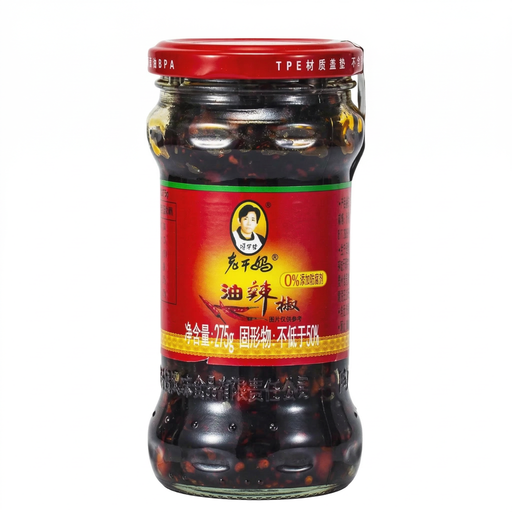
Why this fits the profile: The combination of 22% chilli flakes and 15% peanuts is aimed at users who also want a clear crunch with noodles, dumplings and rice.
The quantitative ingredient declaration gives more insight than just the name “chilli crisp”. Stir the jar well, as oil and solids can separate.
275 gram content; crunchy chilli flakes and peanuts; ready to use as a topping or seasoning.
We’ve put together a full, up-to-date list of products that fully meet these strict selection criteria and comply with current European safety regulations.
Start with about half a teaspoon per serving and stir it through the warm noodles. Add rice vinegar, soy sauce, garlic or spring onion if you like. With a crispy variety, you can use both the oil and the solid ingredients from the jar.
A variety with sesame, peanuts or chilli flakes works well as a dip. Mix the oil with black rice vinegar for a fresher taste. Check the allergens in advance if you’re serving guests.
This varies by product. Some packaging advises refrigeration after opening, while others recommend a cool, dry place. Use a clean spoon, seal the jar tightly and follow the storage and best-before information on the label.
