
Vandaag of morgen in huis

Kwaliteit gegarandeerd

Welkomstaanbiedingen ontgrendelen: GRATIS bezorging | Tot 80% korting | Gratis 30 dagen JoyPlus-proefperiode
Download de app
Chinese chilli oil is a quick way to add more flavour to noodles, rice, dumplings, stir-fries and cold salads. Yet these products vary widely. One jar contains mostly clear oil, while another is packed with chilli, peanuts, sesame, garlic or Sichuan pepper.
As a Joybuy Product Recommendation Officer, I focus on verifiable information on the label: ingredients, allergens, weight, usage advice and storage conditions. This way, you avoid relying solely on terms like “authentic”, “handmade” or “extra spicy”.
A bright red colour doesn’t automatically tell you about the heat or flavour. Some products contain colouring, such as E160c, while others get their colour mainly from chilli peppers. Terms like “authentic Sichuan flavour” are also not a fixed quality standard.
So check the ingredients list. Does it contain Sichuan pepper, garlic, ginger, sesame or fermented soya? Then you can expect a more pronounced flavour and extra texture. According to product information from various brands, the chilli content ranges from around 11.34% to 25%.
A regular spicy chilli oil mainly delivers warmth. Sichuan chilli oil can also have a characteristic tingling or numbing mouthfeel thanks to Sichuan pepper. Not every Asian chilli oil contains this ingredient.
If you’re specifically after that mala sensation, look for “Sichuan pepper”, “Sichuan peppercorn” or “Sichuanpeper” in the ingredients. For a milder flavour, an oil without Sichuan pepper may be more practical.
Many chilli crisp varieties contain peanuts, soya, sesame or wheat. This applies, for example, to products with peanuts, fermented beans, soya sauce or wheat flour. Always check the label, especially when you’re cooking for several people.
Also pay attention to the difference between “store in a cool, dry place” and “refrigerate after opening”. Some products recommend refrigeration after opening and prompt consumption. Follow the packaging of the product you receive, as shelf-life information can vary per batch or pack.
First decide what you want to use the Chinese chilli oil for:
Stir a jar with solid contents well before using it. Oil and solid ingredients can separate during storage.
“Spicy” is not the same as “complex”. A product with chilli and oil can taste relatively simple, while a Sichuan variety also contains spices, sesame, garlic or fermented soya.
When trying a new product, start with half a teaspoon. Mix it through noodles or rice first, then add more. This keeps the dish better balanced. For a dip, you can combine chilli oil with rice vinegar, light soya sauce and a little sesame oil.
The selected products vary in content from around 200 to 330 grams or millilitres. A larger jar is handy when you use chilli oil for noodles or chilli oil for dumplings often, but it’s not automatically better value if you use it up slowly.
Also check the nutritional values. Chilli oil often consists largely of oil and can therefore contain a lot of energy and fat. The salt content also differs noticeably per product. Use the information per 100 grams as a basis for comparison, not just the serving suggestion on the front.
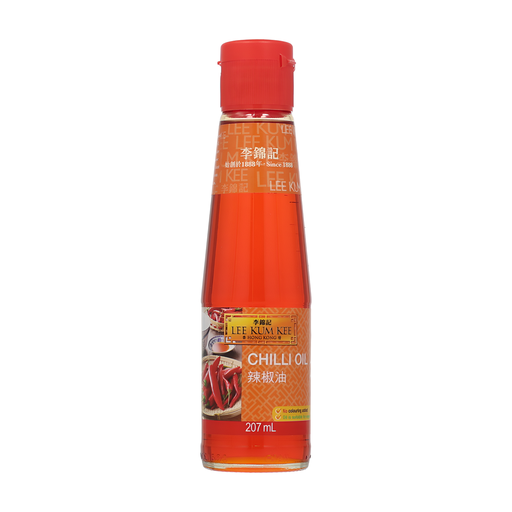
Why this fits the profile: A simple, clear chilli oil for those who want to start drizzling over rice, noodles or stir-fries without many solid ingredients.
The product information lists chilli, rapeseed oil, spices and salt, without peanut or sesame in the stated ingredients list. Always check the actual packaging though.
207 ml; ready to use; suitable for cold dishes, dips and stir-frying.
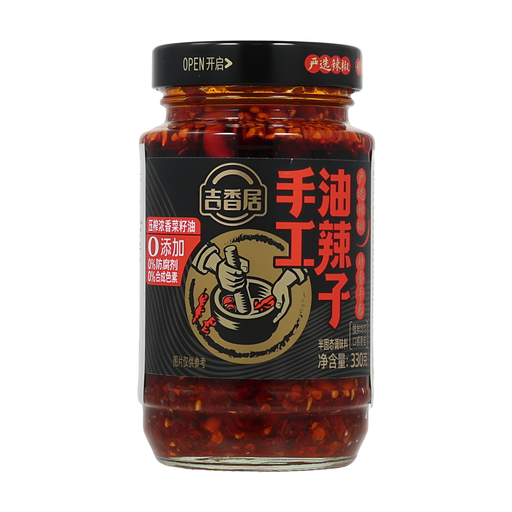
Why this fits the profile: For those looking for a chilli crisp with multiple layers of flavour for dumplings, cold dishes, noodles and stir-fries.
The ingredients list states 25% chilli flakes and names Sichuan pepper, garlic, ginger and spices among others. This makes the composition clearer than a product with only a general flavour claim.
330 grams; chilli as a substantial ingredient; peanut, sesame, soya and wheat listed as allergens.
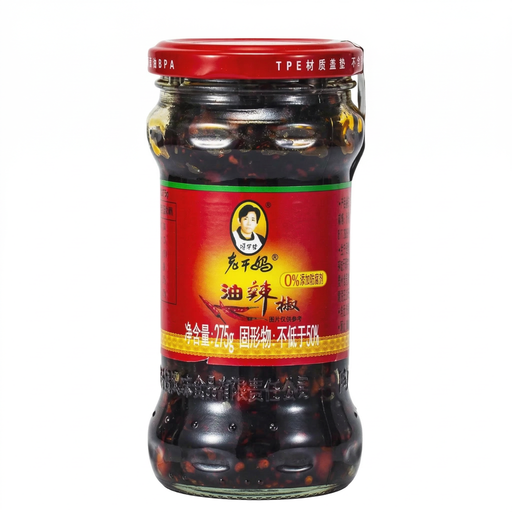
Why this fits the profile: Suitable for users who want a hearty topping with crunch and regularly make noodles, rice, dumplings or stir-fries.
The product information states 22% chilli flakes and 15% peanuts. So you’re buying a product with clearly named solid ingredients rather than just flavoured oil.
275 grams; crunchy texture; peanut and wheat as allergens; stir well before use.
We’ve put together a full, up-to-date list of products that fully meet these strict selection criteria and comply with current European safety regulations.
No. The heat depends on the type of chilli, the amount of chilli and the presence of other ingredients. Products with a lot of oil can come across as milder than a concentrated chilli crisp. Start with a small amount and adjust the flavour.
Follow the instructions on the packaging. Some varieties can be stored in a cool, dry place, while others need to go in the fridge after opening. Always use a clean spoon and close the jar tightly.
Chilli oil consists mainly of flavoured oil with chilli. Chilli crisp also contains solid, crunchy ingredients such as chilli flakes, peanuts, soya, garlic or onion. This makes chilli crisp suitable as a topping when you want texture as well as heat.
