
Vandaag of morgen in huis

Kwaliteit gegarandeerd

Welkomstaanbiedingen ontgrendelen: GRATIS bezorging | Tot 80% korting | Gratis 30 dagen JoyPlus-proefperiode
Download de app
A jar of Chinese chilli oil can add a wealth of flavour to a simple bowl of rice or noodles. However, products vary greatly. Some oils are clear and fiery, while others are made up of chilli crisp, peanuts, fermented beans or Sichuan pepper. That’s why an attractive jar alone isn’t enough to help you make the right choice.
Pay particular attention to three common pitfalls:
A clear Sichuan chilli oil works well as a finishing touch for cold dishes, dumplings, noodles and hotpot. This type often contains few solid ingredients and spreads easily over a dish.
With chilli crisp or spicy chilli oil, the jar contains chilli flakes, peanuts, sesame, garlic, onion or fermented beans. This gives you more texture and a savoury flavour. For rice, bao, fried noodles and stir-fries, this is often more practical than a completely clear oil.
If you’re after a tingling, numbing effect, look for mala oil with Sichuan pepper. Check that Sichuan pepper or rattan pepper actually appears on the ingredients list. A brand description that talks about an “authentic Sichuan flavour” is the brand’s own positioning; check the listed ingredients yourself.
The ingredients list gives a more reliable picture than words on the front of the packaging. Look out for:
For example, Ji Xiang Ju Sichuan-Style Chili Oil contains soya, peanuts and white sesame according to the product information. Lao Gan Ma Peanut Chilli Oil lists 22% chilli flakes and 15% peanuts, but also contains wheat. That makes the product interesting for lovers of crunch, but less suitable if you have an allergy to any of these ingredients.
The information on the label and product page remains the deciding factor. Recipes, packaging and allergen information can change, so check this before you buy.
A jar of around 200 to 330 grams is usually suitable for household use. If you use chilli oil daily or run a professional kitchen, a bulk pack can be more economical. An example is WanFu Freshly Extracted Rattan Pepper Oil with a 5-litre capacity.
Also pay attention to the storage instructions. Some products need to be refrigerated after opening, while others can be kept in a cool, dry place according to the product description. Always follow the instructions on the packaging. Stir or shake a jar with solid ingredients well before use, because oil and particles can naturally separate.
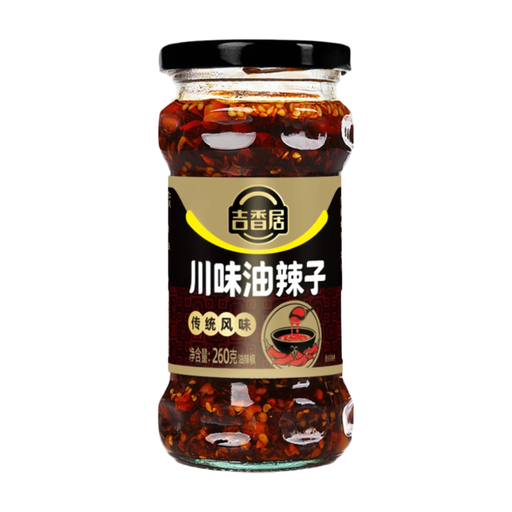
Why this fits the profile: A ready-to-use jar for anyone who wants chilli oil for noodles, rice or stir-fries without much preparation.
The product information lists specific uses and a 260-gram content. Do check for the presence of soya, peanuts and sesame before ordering.
Ready to use straight away; according to the product description, the oil contains chilli, garlic, ginger and Sichuan pepper.
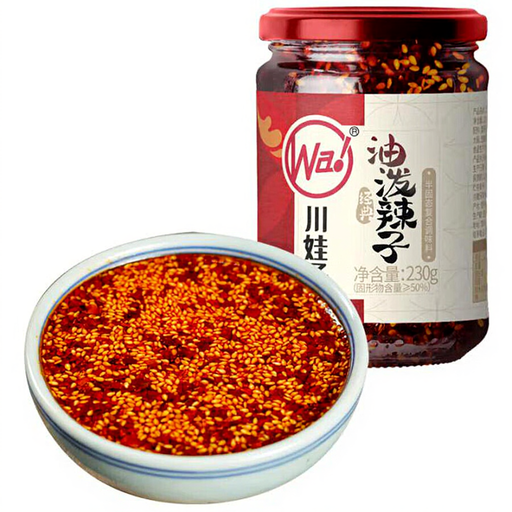
Why this fits the profile: Ideal for home cooks who want aroma and texture alongside heat in salads, dumplings and cold noodles.
The ingredients list states a minimum of 15% chilli and mentions sesame, peanut and Sichuan pepper. This lets you assess flavour and allergens in advance.
Contains chilli, sesame, peanut and Sichuan pepper; can be used as a topping, dressing base or ingredient in stir-fries.
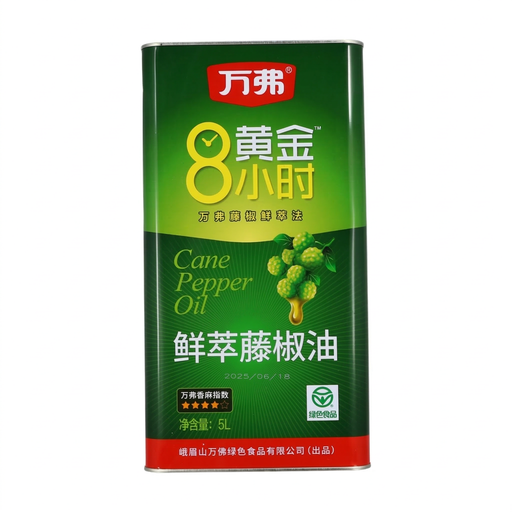
Why this fits the profile: A bulk pack for professional kitchens, frequent users and fans of a distinct rattan pepper aroma.
The packaging states 5 litres and one main ingredient alongside rapeseed oil. This makes the application clear, though the volume is generous for occasional use.
Suitable as a finishing oil for cold dishes, noodles, dumpling dips and hotpot; according to the product information, free from listed allergens.
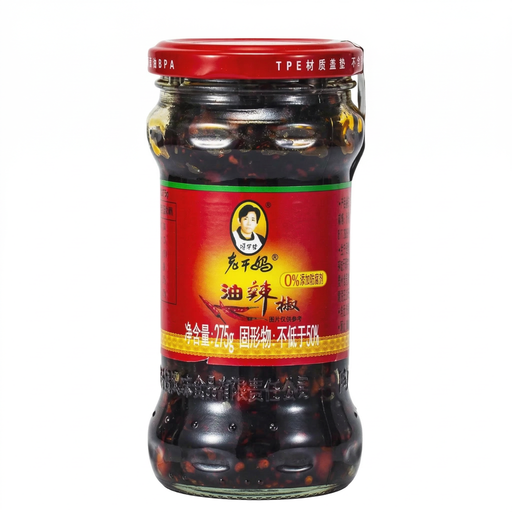
Why this fits the profile: A practical choice for anyone who wants a topping with chilli flakes and roasted peanuts for rice, noodles, dumplings and stir-fries.
The quantitative ingredient declaration lists 22% chilli flakes and 15% peanuts. The jar needs to be stirred before use; check the allergens before purchasing.
275-gram content; combines crunchy ingredients with oil and chilli for extra texture.
We’ve put together a full, up-to-date list of products that fully meet these strict selection criteria and comply with current European safety regulations.
Start with one teaspoon and add more later. For a chilli oil for dumplings, a mixture with black rice vinegar and possibly soya sauce works well. For noodles, you can mix the oil with a little cooking water, garlic and spring onion. A Chinese chilli sauce with solid ingredients can be stirred directly into hot rice or noodles.
Use a clear oil as a finishing touch after cooking. Add chilli crisp earlier if you want to warm the solid pieces lightly in a stir-fry. With a mala oil containing Sichuan pepper, a small amount is often enough for aroma and tingling.
No. Chinese chilli oil can consist largely of oil and chilli. Chilli crisp usually contains extra solid ingredients, such as chilli flakes, peanuts, sesame, garlic or beans. This gives chilli crisp more texture and often a more savoury flavour profile.
This varies by product. Follow the storage instructions on the label. Some varieties need to be refrigerated after opening, while others should be kept cool and dry. Always use a clean spoon and close the jar tightly. Check the smell, colour and best-before date before using the oil.
Start with about one teaspoon per portion and taste afterwards. For a stir-fry, you can add the oil at the end so the aromas are better preserved. With a salty variety, extra soya sauce may not be necessary; check the salt content on the nutrition table as well.
