
Vandaag of morgen in huis

Kwaliteit gegarandeerd

Welkomstaanbiedingen ontgrendelen: GRATIS bezorging | Tot 80% korting | Gratis 30 dagen JoyPlus-proefperiode
Download de app
A warm bowl of noodles in just a few minutes – it’s a lifesaver for students, office workers and busy households. Yet Chinese instant noodles with beef flavour aren’t all the same. One packet labelled “authentic broth” might be mostly herbs, salt and flavourings, while a product with a larger serving size contains more separate ingredients.
So watch out for three common pitfalls:
The base determines the texture and preparation. Many classic instant noodles contain wheat flour and are processed in oil. Non-fried varieties are usually prepared by boiling or soaking, depending on the packaging. They can feel firmer or springier, but that varies by recipe.
Semi-dry noodles, like those in several Hefu products, typically need boiling in a pan. In return, you often get a more substantial meal kit with soup, meat and vegetables. A pot version with dried ingredients is simpler for the office or on the move.
Watch out for allergens: wheat, gluten, soya, sesame, peanuts and sometimes egg are common in this category. If you have allergies, always check the actual packaging. The product information on a webpage is useful for an initial filter, but the label remains the final authority.
Chinese beef noodles can come in different regional styles:
Also check how many sachets are inside the packet. A comprehensive kit with separate soup, meat, vegetables and oil gives you more control over the preparation, but sometimes requires extra steps.
Instant noodle soup is quick to make, but the amount of water affects the taste and nutritional values per bowl. Use the recommended water quantity as a starting point and add the seasonings gradually if you like. That way, the broth won’t be too strong straight away.
A product with 5 packs of around 100g is handy for stocking up. Hefu Spicy Beef Noodles contains five servings of 225g each, making it a heavier meal kit than a standard sachet. The nutritional values are given per 100g; so don’t just compare the numbers, but also the total weight per serving.
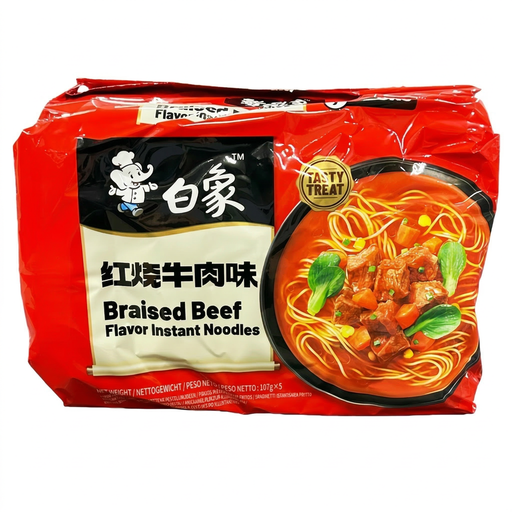
Why it fits the profile: Five individual portions are practical for students, cupboards and office lunches. Preparation requires around 500ml of boiling water and a few minutes.
The serving size and nutritional values are clearly stated. However, note the 5.8g of salt per serving and allergens including wheat, soya and peanuts.
5 individually wrapped portions; classic braised beef flavour; dried cabbage, carrot and spring onion.
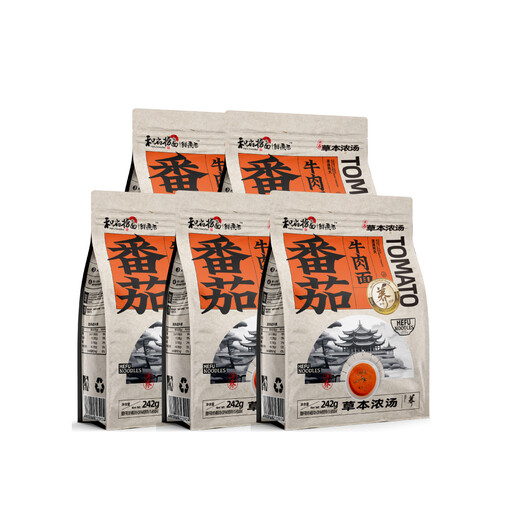
Why it fits the profile: This meal kit is designed for a more involved preparation with semi-dry noodles, tomato soup, braised beef and dried vegetables.
The ingredients are specified per component. The beef component states a minimum of 75% meat within that part; this is not the same as 75% of the total packet.
Semi-dry wheat noodles; five complete meal kits; tomato base with a separate beef component.
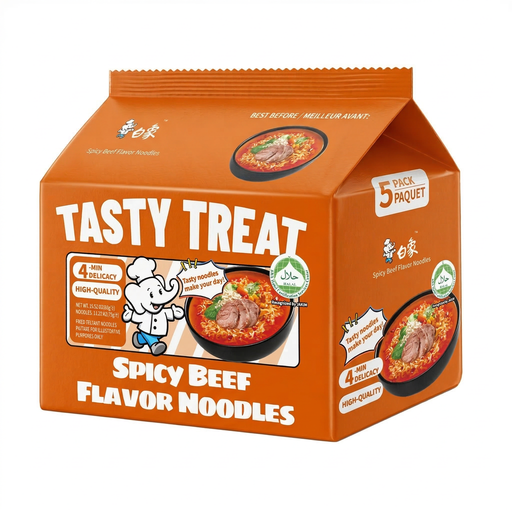
Why it fits the profile: The product description states it is halal-certified and comes in five sachets of 88g. Always check the certification mark and the actual packaging on receipt.
The halal indication is in the product information, but checking the label is still wise. The ingredients list mentions wheat, soya, sesame and celery.
Halal indication according to the product description; 5-pack; spicy soup base and preparation with around 500ml of boiling water.
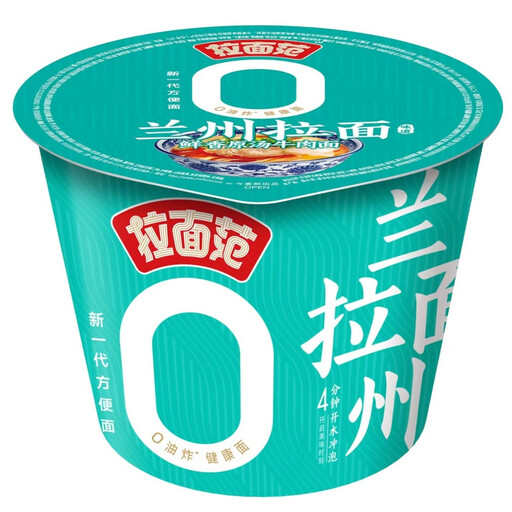
Why it fits the profile: This pot version is focused on Lanzhou-style, with radish, chilli oil and a soup base. According to the product description, the non-fried noodles are ready in around three minutes.
The regional style is concretely supported by radish and separate chilli oil. The product information does mention flavourings and no large portion of beef.
Pot packaging; non-fried noodles according to the product description; radish, vegetables and chilli oil in separate components.
We’ve put together a full, up-to-date list of products that fully meet these strict selection criteria and comply with current European safety regulations.
Always follow the instructions on the packet. For sachets, soaking in boiling water is standard; other Chinese noodle soups, such as semi-dry varieties, need to be boiled in a pan. Only add the soup and oil sachets once the noodles are ready if the packet says so.
Store instant noodles in a cool, dry place away from direct sunlight. Check the best-before date before buying if you’re stocking up on a large multipack. It’s best to prepare and eat opened sachets or pots straight away.
That varies by product. Some packets are labelled as halal, like the halal variant from Bai Xiang. Always check the official certification mark, the ingredients list and the actual packaging. A beef flavour on its own doesn’t mean the product is halal.
The shelf life is printed on the packet and can differ between products. Unopened sachets generally remain good until the stated date if stored dry and cool. With multipacks, watch out for damaged packaging and moisture.
“Non-fried” describes the production method of the noodles, but it doesn’t tell you everything about the complete meal. The soup base, oil and salt can significantly affect the nutritional value. So compare the energy, fat, salt and serving size on the label.
