
Vandaag of morgen in huis

Kwaliteit gegarandeerd

Welkomstaanbiedingen ontgrendelen: GRATIS bezorging | Tot 80% korting | Gratis 30 dagen JoyPlus-proefperiode
Download de app
A bowl of Chinese instant noodles with beef flavour is quick to prepare, affordable and easy to keep in stock. However, products vary widely in portion size, preparation method, spiciness and ingredients. An attractive packet doesn't always tell you everything you need to know about what you're buying.
Pay particular attention to three common pitfalls:
A standard sachet often contains around 84 to 107 g. A cup or bowl is usually around 64 to 122 g. You’ll notice that difference when you’re after a quick Asian meal.
Check:
A 100 g sachet, such as the Uni-President 100 Instant Noodles, takes about 5 minutes to prepare according to the product information. With a cup, you typically only need to add water up to the indicated line. That’s handy for students, train journeys or a lunch at the office.
Most beef noodles contain wheat and soya. Some varieties also contain milk, egg, peanut, sesame, fish or shellfish. Always read the current label, especially if you have a food allergy.
For halal instant noodles, the product description is important, but if in doubt, also check whether there is a recognisable halal certification mark or certificate on the packaging. The term “halal” in a product name is not a substitute for checking the packaging and ingredients.
Also look out for the difference between:
Fried noodles are often quick to rehydrate and have a recognisable firm bite. Non-fried or semi-dried noodles can have a different texture and sometimes need to be cooked in a pan.
The Wu Gu Dao Chang variety uses non-fried noodles according to the product description. The Lamianfan Lanzhou bowl also contains radish, a vegetable sachet and chilli oil. Hefu products use semi-dried noodles and some varieties include a separate sachet of braised beef. That makes them different from a simple noodle soup with only broth powder.
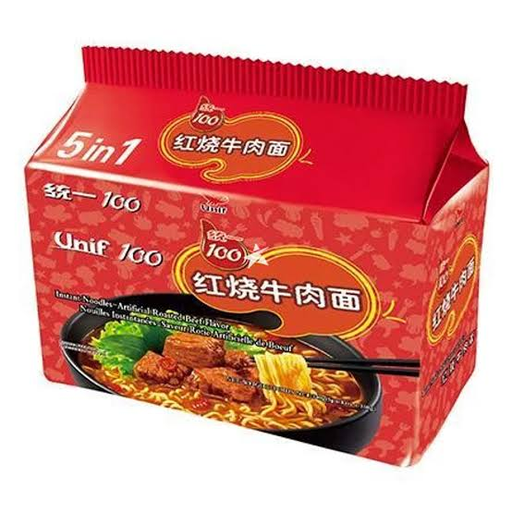
Why this fits the profile: A straightforward 5-pack of instant noodles with classic braised beef flavour, ideal for the store cupboard, a student room or a quick lunch.
The product information states 5 individual sachets of 100 g and a preparation time of around 5 minutes. So the quantity is clear from the start.
Classic broth, wheat noodles and dried vegetables; easy to top up with egg, pak choi or spring onion.
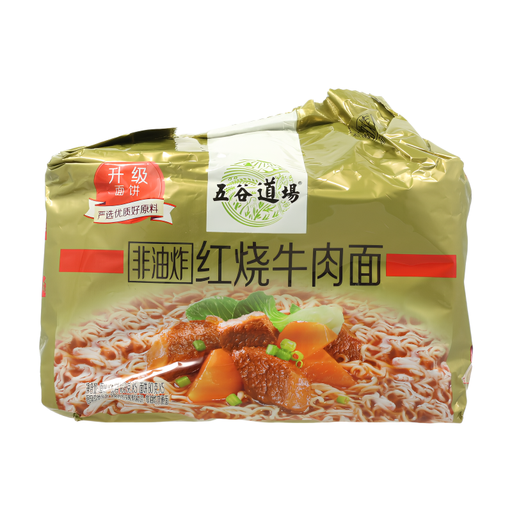
Why this fits the profile: For those who care about noodle texture and a separate preparation method. The pack contains five servings of 103 g.
The product description explicitly mentions non-fried noodles and gives cooking instructions with 500 ml of water and a cooking time of 4 to 5 minutes.
Non-fried wheat noodles, separate beef sauce and a sachet with dried cabbage, carrot and spring onion.
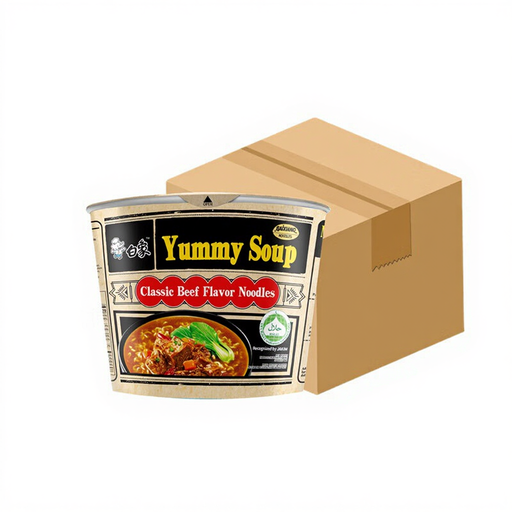
Why this fits the profile: A bulk pack for families, shared households or people who regularly eat spicy beef noodles.
The box contains 12 individually wrapped servings of 105 g. The product description mentions a spiced beef broth; check the desired heat level on the label.
Large stock, individual portions and preparation with boiling water. The product name mentions halal; check the certification on the packaging before purchase.
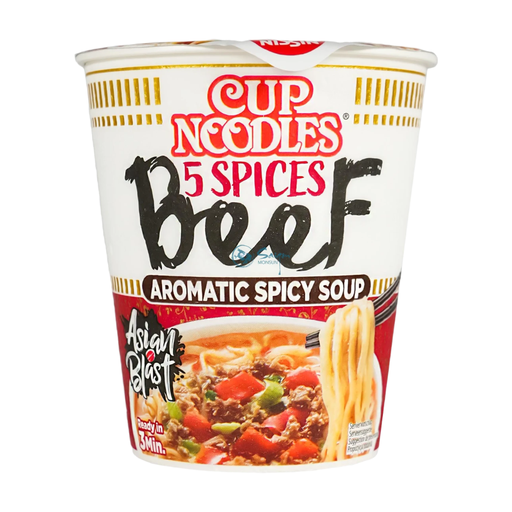
Why this fits the profile: The cup format is practical at the office or on the go, where a pan and bowl aren't available.
The portion size of 64 g is clearly stated. This allows you to compare a cup with larger sachet packs without looking only at the price per pack.
Boiling water is all you need; the flavour is based on five spices and beef fat powder according to the product description.
We've put together a full, up-to-date list of products that fully meet these strict selection criteria and comply with current European safety regulations.
Use the included seasoning sachets to taste, especially if you're watching your salt intake. Add, for example, pak choi, mushrooms, sweetcorn, a boiled egg or spring onion. For extra protein, you can use tofu or cooked beef. With a spicy variety, add some of the chilli oil first and adjust later.
Store unopened packs in a dry, cool place away from direct sunlight. Check the best-before date and don't use any damaged packaging. Nutritional values vary by brand, so always compare per 100 g and per serving.
Some products are labelled as halal, such as certain Bai Xiang varieties. Always check the current packaging, ingredients list and any halal certification. Also check the cross-references for allergens.
The exact shelf life is stated on the packaging. Store the noodles according to the instructions in a cool, dry place away from direct sunlight. Once opened or prepared, it's best to consume them straight away.
That depends on the price per serving. Divide the total price by the number of sachets or cups and then compare the net weight. A 5-pack is practical for stocking up, while a cup offers extra convenience in places without cooking equipment.
