
Vandaag of morgen in huis

Kwaliteit gegarandeerd

Welkomstaanbiedingen ontgrendelen: GRATIS bezorging | Tot 80% korting | Gratis 30 dagen JoyPlus-proefperiode
Download de app
The world of Chinese bean paste can be overwhelming. You're standing in the aisle, looking for that one ingredient for mapo tofu, and are faced with a wall of jars and packets. They all look similar, but the wrong choice can completely alter your dish. This is where many home cooks make avoidable mistakes.
As a Product Recommendation Officer at Joybuy, I see where things often go wrong. People fall for marketing buzzwords or buy a paste that isn't suitable for their intended dish. This leads to disappointment and waste. Let's look at the most common pitfalls:
By paying attention to a few key points, you can avoid these mistakes and choose the right flavor agent for your kitchen from the start.
Before you put a jar of Chinese bean paste in your basket, it's helpful to check three specifications. These will determine the flavor, texture, and the ultimate success of your dish.
The type of bean used is the most important factor. The flavors vary widely:
Look closely at the name and ingredient list to determine the profile.
The production method affects the depth of flavor. A longer fermentation time typically results in a richer, more complex taste. The texture also varies: some pastes are coarse with whole or partial beans, while others are completely smooth. A coarser texture adds an extra dimension to stews, whereas a smooth paste works better in sauces and marinades.
To help you with your choice, we've matched several products to specific cooking styles and preferences.
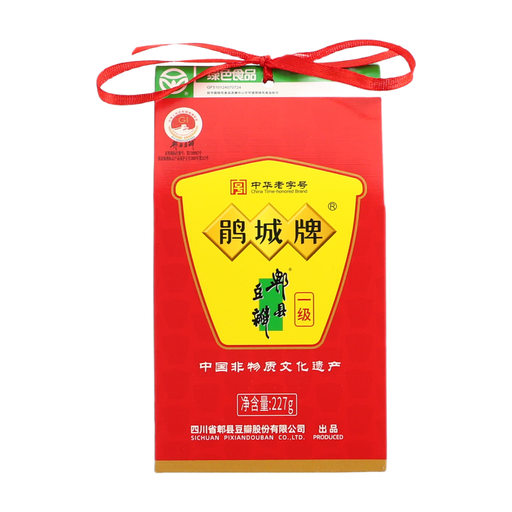
Why This Fits Their Persona: This is for the cook seeking the authentic, deep, and spicy flavor of Sichuan. Perfect for making a genuine mapo tofu sauce or a potent hot pot base, without compromise.
This isn't an "all-in-one" paste. It's a specialized broad bean paste intended specifically for Sichuan cuisine, helping you avoid the pitfall of a generic flavor.
Made with 45% broad beans and 30% chili according to the product information. The Juancheng brand is known for its traditional fermentation, which ensures a deep umami and aroma.
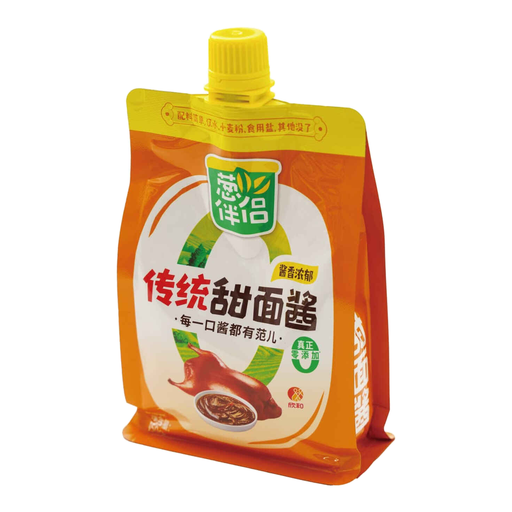
Why This Fits Their Persona: Ideal for those who want to recreate an authentic Peking duck sauce or prepare noodles with bean sauce (Zha Jiang Mian). This paste delivers the signature sweet-and-savory flavor required for those dishes.
This product prevents the confusion between sweet and spicy. It is clearly a sweet bean paste, made from fermented wheat flour, and not intended for spicy dishes. This ensures you get exactly the right flavor.
According to the description, this paste is traditionally fermented and contains no added preservatives. The ingredient list is short: water, wheat flour, and salt.
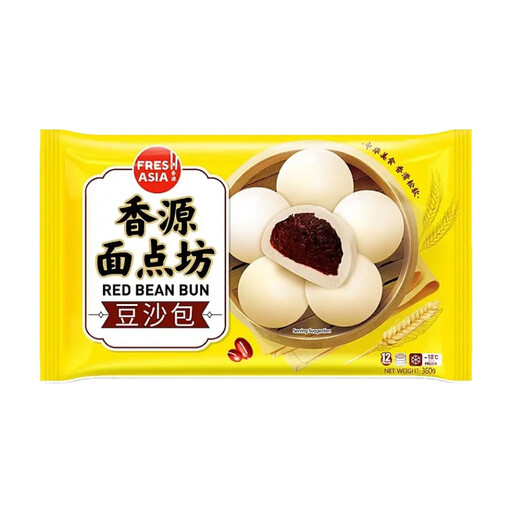
Why This Fits Their Persona: For those who want to enjoy the flavor of red bean paste without having to cook from scratch. These ready-to-eat steamed buns are a perfect breakfast, snack, or dessert. Just steam and serve.
This product eliminates all guesswork. You don't have to choose a paste; you get the final result directly: a classic Chinese bun with a sweet, smooth red bean paste filling.
Convenience and authenticity. Freshasia is a well-known brand for frozen Asian foods. According to the instructions, the buns only need to be steamed for 6-8 minutes.
We have compiled a complete, up-to-date list of products that meet these selection criteria and current regulations.
1. What is the difference between Chinese soybean paste and Pixian doubanjiang? The main difference lies in the base bean and the flavor. Soybean paste (huangjiang) is made from soybeans and is primarily salty and savory. Pixian doubanjiang is a specific type of fermented bean paste from the Pixian region, made from broad beans and chili peppers. It is salty, complex, and spicy, and is considered the soul of Sichuan cuisine.
2. How should I store opened bean paste? Most fermented bean pastes have a high salt content, which acts as a preservative. After opening, it is recommended to store the jar or packet tightly sealed in the refrigerator. For some pastes, especially those packed in oil, it can be helpful to cover the surface with a thin layer of clean vegetable oil to minimize dehydration and air exposure. Always check the label for specific storage instructions.
3. Can I use sweet bean paste in savory dishes? Yes, but only for specific dishes. Sweet bean paste (tianmianjiang) is an essential component of the sauce for Peking duck and the noodle dish Zha Jiang Mian. However, using it in a dish like Mapo Tofu, which requires a salty and spicy base, would produce an undesirably sweet result. Therefore, only use it when a recipe explicitly calls for it.
