
Vandaag of morgen in huis

Kwaliteit gegarandeerd

Welkomstaanbiedingen ontgrendelen: GRATIS bezorging | Tot 80% korting | Gratis 30 dagen JoyPlus-proefperiode
Download de app
Chinese bean paste can add real depth to a stir-fry, noodles or hotpot. Yet the jars and packets on the shelf often look more alike than they taste in the pan. One sauce is spicy and salty, another is sweet and mild. Terms like fermented bean paste, doubanjiang and soybean paste are also not always used in the same way.
As a Joybuy Product Recommendation Officer, I therefore start by looking at verifiable information: the type of bean, ingredients, salt and sugar content, volume and recommended preparation. This way, you avoid buying something that doesn't suit your recipe or cooking style.
A sweet bean sauce, often labelled as tianmianjiang, usually contains wheat flour and sugar. The flavour is gentle, sweet-savoury and suitable for dishes like Peking duck, dips and zhajiangmian.
Doubanjiang, also known as Pixian doubanjiang, is typically made with broad beans, chilli and salt. This Chinese bean paste has a distinctly spicier and saltier profile and is often fried briefly in oil first for mapo tofu, twice-cooked pork or hotpot.
Swapping one sauce for the other can throw a dish off balance. So don't just check the name on the front – always look at the ingredients list.
Fermentation tells you about the production method, but not automatically about the final flavour. A soybean paste can be mild, sweet, salty, spicy or aromatic. Some varieties also contain garlic, sesame paste, rice wine or spices.
Pay attention to the first ingredients and the usage instructions. A paste intended for cooking can be too salty to use directly as a dip.
Chinese cooking sauce is often used in small quantities. Yet the nutritional values per 100g can vary widely. For example, the JUAN CHENG PiXian Broad Bean Sauce lists 20g of salt per 100g, while the CBL Traditional Sweet Bean Paste lists 7.8g of salt and 16g of sugar per 100g.
That doesn't mean a product is unsuitable, but it does mean you need to adjust the amount to suit the recipe. Add extra salt, soy sauce or sugar later on.
Choose based on the dish:
Many varieties contain soya and wheat or gluten. This applies to various sweet bean sauces and soybean pastes. Check the label if you have allergies or dietary requirements.
Also look out for additions such as preservatives, flavour enhancers, sweeteners and thickeners. A short ingredients list doesn't automatically mean the flavour suits your dish better; it does make it clearer what you're buying.
An 800g jar is practical for a large household, restaurant kitchen or regular preparation of Chinese dishes. For occasional use, 227g to 450g is often more convenient.
Always check the storage instructions. For many products: refrigerate after opening. Use a clean spoon and keep the paste covered with oil or liquid if the label says so. The best-before date is on the packaging and can vary by batch.
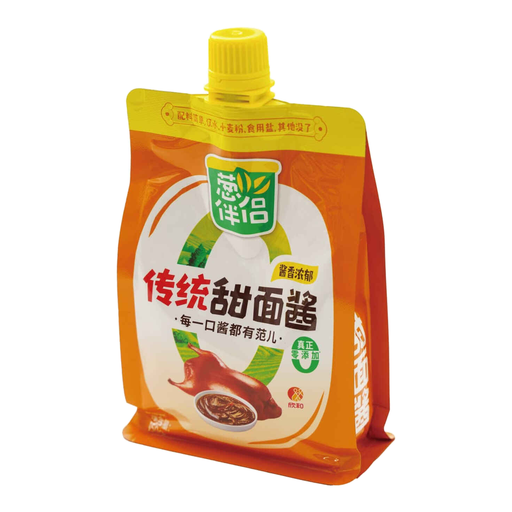
Why this suits the profile: This milder Chinese bean sauce is suitable for everyday use in dips, stir-fries, marinades and zhajiangmian.
The product description clearly states a sweet-savoury profile and uses such as dipping and Peking duck sauce. This makes the flavour direction easier to judge in advance.
450g content; according to the product information, traditionally fermented with water, wheat flour and salt.
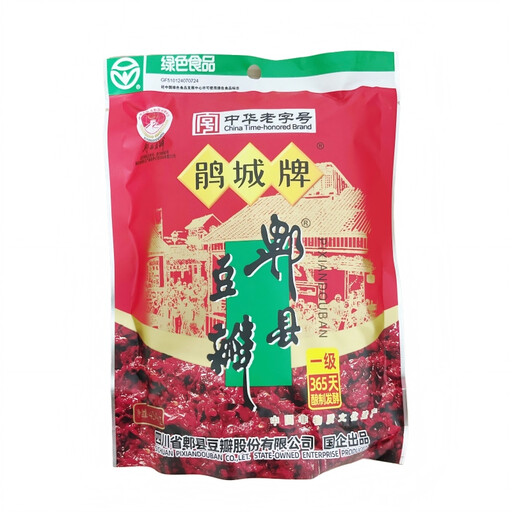
Why this suits the profile: A targeted choice for anyone looking for a Sichuan flavour for mapo tofu, stir-fried meat, braised dishes or hotpot.
The ingredients list dried chilli, broad beans, salt and wheat flour. The product information advises slow frying, so you won't expect this to be a mild table dip.
454g content; clear application for Sichuan dishes; contains gluten from wheat.
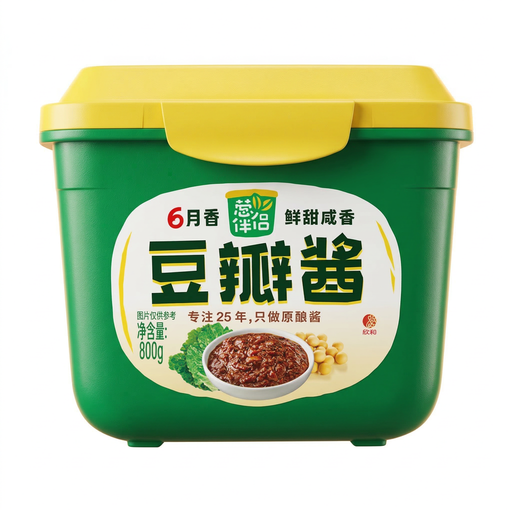
Why this suits the profile: The large pack suits frequent cooking, meal prep or use in a professional kitchen.
The packaging and its use as a seasoning, marinade or dip are clearly described. Do check the stated high salt content of 21.25g per 100g.
800g content; suitable for stir-frying, marinating and dipping; contains soya, wheat and added flavourings according to the label.
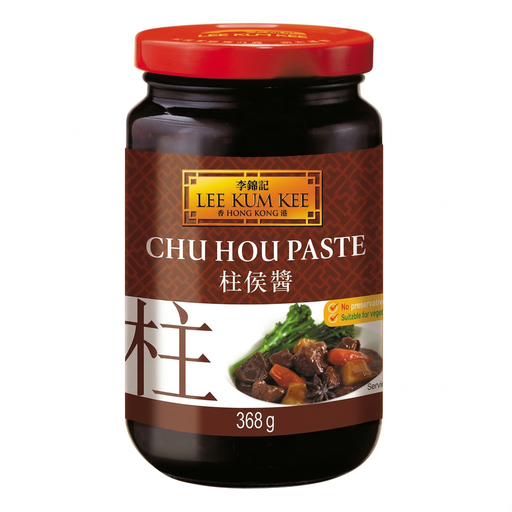
Why this suits the profile: This ready-to-use Chinese cooking sauce is aimed at southern braised and stir-fry dishes with meat or vegetables.
The composition lists, among other things, fermented soybean paste, garlic, ginger and sesame paste. This makes it clear you are buying a blended sauce, not a pure bean paste.
368g content; can be added directly during cooking; contains soya, gluten and sesame according to the product information.
We have put together a full, up-to-date list of products that fully meet these strict selection criteria and current European safety regulations.
With a spicy doubanjiang, a short preparation in oil often works well. Don't set the heat too high straight away: chilli and beans can burn quickly. Then add garlic, ginger, meat, tofu or vegetables.
A sweet bean sauce can be mixed directly into noodles or thinned with water, rice vinegar or sesame oil. Taste first before adding extra sugar or salt. For a dip, you can combine the sauce with spring onion, cucumber or a little chilli oil.
Do not use products that state they must be cooked, raw. Always follow the instructions on the label.
Doubanjiang is a specific category of Chinese fermented bean paste, often based on broad beans, chilli and salt. Chinese bean paste is a broader term and can also include mild soybean paste, sweet bean sauce or black bean sauce.
Choose a spicy variety with broad beans and chilli, such as Pixian doubanjiang. Fry the paste briefly in oil first, then add the remaining ingredients. Watch the salt content, as extra soy sauce may not be necessary.
This varies by product. Many jars need to be refrigerated after opening and used promptly or within the stated period. Store the paste according to the label and check the smell, colour and texture before adding it to a dish.
