
Vandaag of morgen in huis

Kwaliteit gegarandeerd

Welkomstaanbiedingen ontgrendelen: GRATIS bezorging | Tot 80% korting | Gratis 30 dagen JoyPlus-proefperiode
Download de app
Fancy Chinese steamed buns but don’t have time to make dough? With frozen bao buns, dim sum buns and steamed dumplings, you can quickly put together a breakfast, snack or light meal. Yet many packets look alike. The differences lie mainly in the filling, cooking method, allergens and storage instructions.
As Joybuy Product Recommendation Officer, I filter the most important product information so you can compare marketing claims with verifiable specifications.
Not every Chinese steamed bun has a filling. Some products are sweet and fluffy, while others contain meat, vegetables, custard or soup. So don’t just look at the picture on the packet – also check the ingredients list and the quantitative ingredient declaration.
For example: a vegetarian bao with beancurd skin may contain 28.8% soya protein, whereas a meat version will clearly state a percentage of pork. That makes comparison much easier than relying on words like “richly filled” or “traditional”.
Frozen Chinese bao buns are usually steamed straight away. Defrosting is often unnecessary and can affect the texture. However, the time required varies:
Always check the packet. Products with raw dough, meat or hot soup filling must not be eaten raw.
Bao buns often contain wheat and gluten. Depending on the filling, soya, sesame, egg, milk, crustaceans or molluscs may also be present. “Vegetarian” does not automatically mean free from soya, gluten or sesame.
For consumers with an allergy, the current packet is the deciding factor. Check the bold allergens and also look out for warnings such as “may contain traces”.
First, decide when you’ll eat them. For a quick lunch, bao with pork, prawns or vegetables work well. For breakfast or dessert, sweet potato, custard or red date buns make more sense. If you want to eat meat-free, look at vegetarian bao with mushrooms, bamboo shoots or pickled cabbage.
Bear in mind that a product name sometimes combines several ingredients. With soup dumplings, for example, the filling may contain both pork and prawn. That matters for flavour, nutritional information and allergens.
A simple bamboo steamer or metal steaming basket is sufficient, as long as there is space between the buns. You can put perforated baking paper underneath to stop them sticking. Only place the buns in the steamer once the water is boiling, unless the packet says otherwise.
Most frozen bao buns should be stored at -18 °C or below. According to the product information, they must not be refrozen once defrosted. If you open a packet, prepare the remaining buns according to the instructions and eat them promptly.
Compare energy, fat, carbohydrates, protein and salt per 100 g. This stops you automatically seeing a small portion as “light”. The values vary widely: a savoury bao may contain around 184 kcal per 100 g, while a sweet snack can be significantly higher.
The nutritional information doesn’t tell you everything about taste or texture, but it does help you compare products objectively.
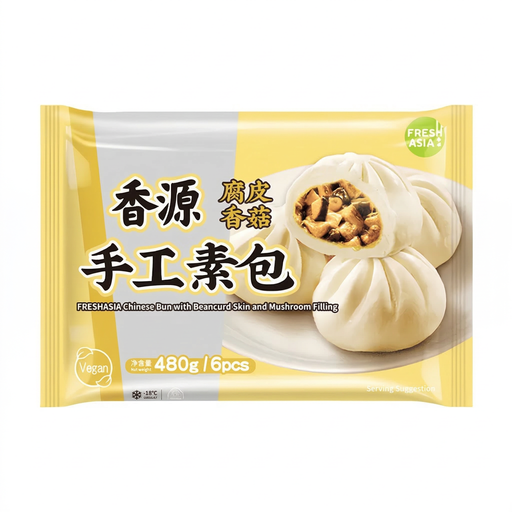
Why This Fits Their Persona: A meat-free option for anyone trying filled bao buns for the first time who wants a larger pack for several eating occasions.
The product information explicitly states a vegetarian filling and lists wheat, soya and sesame as allergens.
480 g per pack; steam straight from frozen in 10–12 minutes.
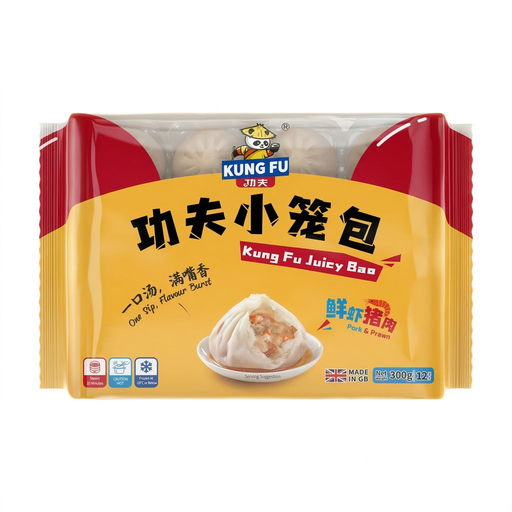
Why This Fits Their Persona: Ideal for anyone looking for a savoury bao with pork, prawn and a soup-like filling for a dim sum meal at home.
The ingredients list states 23% pork and prawns; crustaceans, milk, soya, wheat and sesame are listed as allergens.
Steaming time of 8–10 minutes; the product information recommends serving with ginger and vinegar.
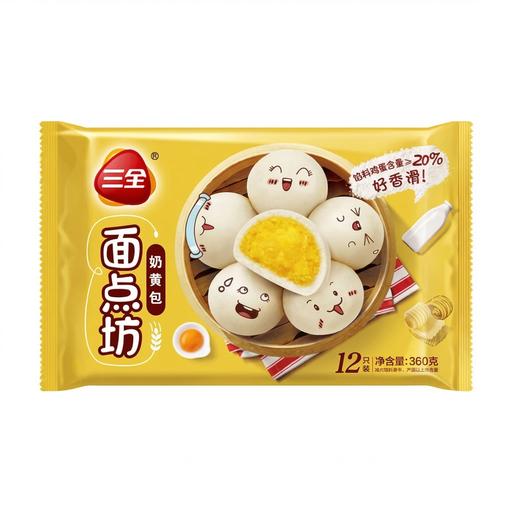
Why This Fits Their Persona: A practical choice for breakfast, tea time or dessert with a sweet custard filling instead of meat or vegetables.
The packet clearly states that this is a filled, sweet product and that milk, egg, soya and wheat are present.
360 g per pack; cook from frozen for 10–12 minutes.
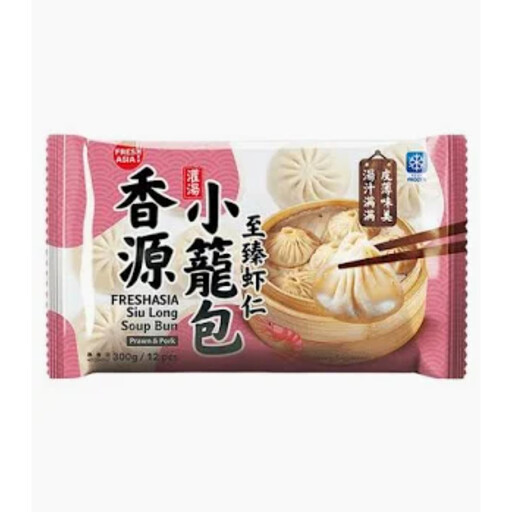
Why This Fits Their Persona: For anyone who wants to serve small Chinese dumplings with a hot soup filling as a snack or part of a dim sum spread.
The product information states 48% pork and 13% prawn and warns that the buns contain hot liquid.
Steam for 10–12 minutes; pair with black vinegar and ginger strips as recommended in the product information.
Browse a current selection of steamed Asian buns with different fillings, cooking methods and pack sizes.
Serve savoury bao buns with soy sauce, black vinegar, spring onion or ginger. Sweet varieties go well with tea or can be eaten as a dessert.
Yes, with many products you can. The Freshasia, KUNGFU and SAN QUAN products mentioned here are suitable for cooking directly from frozen according to their product information. Always check the instructions on your own packet.
Store them at -18 °C or below until the best-before date on the packet. Once defrosted, they must not be refrozen. After opening, it is best to prepare and eat the contents quickly according to the product instructions.
Some are, but not all. Check the full ingredients list. The Freshasia buns with beancurd skin and mushrooms are described as vegetarian, but they do contain wheat, soya and sesame. If you have allergies, always check the label on the actual packet.
