
Same-day & Next-day Delivery

Quality Guaranteed

Unlock Your Welcome Offers: FREE Delivery | Up to 80% OFF | Free 30-day JoyPlus trial
Download the APP
Chinese bao buns are a handy choice for a quick breakfast, a snack or a light meal. Straight from the freezer, they’re often ready to serve in just a few minutes. However, filled bao buns, steamed buns and pan-fried varieties can differ considerably in flavour, size, ingredients and preparation. So an appealing picture on the packaging doesn’t tell you everything.
Watch out for these three common pitfalls:
Most Chinese buns can be cooked straight from the freezer. Defrosting can affect their texture and isn’t recommended for some products. Check the instructions for:
For example, the packaging for Meng Fu Sliced Steamed Buns 700g says to steam for 5 to 6 minutes without defrosting first. Larger filled buns or those containing meat may take longer. Always follow the instructions for the specific product, and don’t eat the buns raw.
Chinese bao buns come in sweet and savoury varieties. Sweet bao buns filled with taro, black sesame, custard or purple sweet potato are ideal for breakfast or dessert. For lunch or a more substantial meal, filled buns with vegetables, chicken or pork are a better choice.
Check how much filling the buns contain, too. The label might say, for example, that purple sweet potato makes up 20% of the filling, or that a meat product contains 40% filling. This gives you a clearer idea than phrases such as “generously filled” or “authentic flavour”.
Don’t compare packs on price alone. Check:
For example, a vegetarian product with Chinese cabbage, shiitake and black fungus lists wheat and soya as allergens. That may make it suitable for some vegetarians, but it won’t automatically be suitable for everyone with food allergies or dietary requirements.
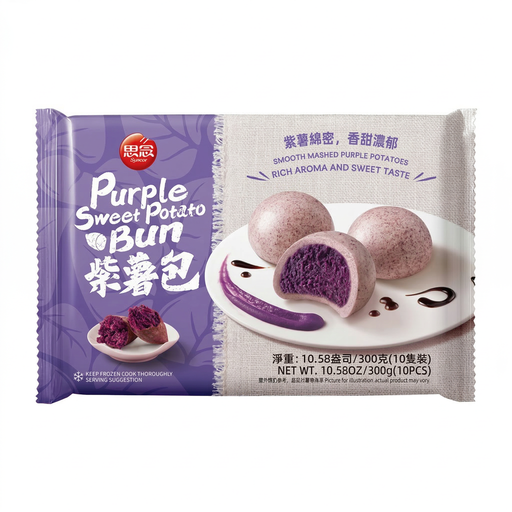
Why it suits this shopper: A handy 300 g pack with a sweet filling, ideal for breakfast, afternoon tea or a small snack.
The product information clearly states that the buns need heating and gives instructions for steaming and microwaving. They aren’t intended to be eaten cold or raw.
300 g per pack, purple sweet potato filling and 8–10 minutes of steaming straight from the freezer.
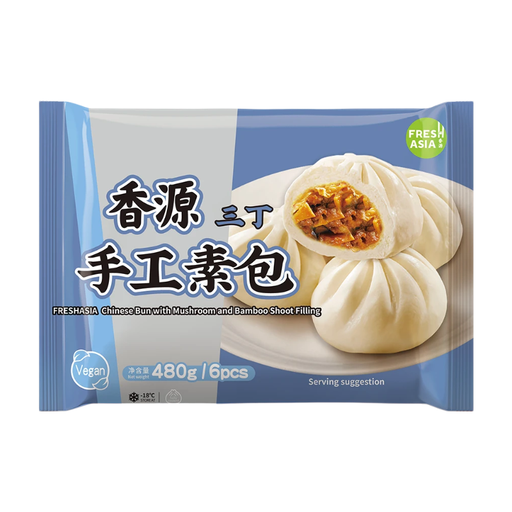
Why it suits this shopper: The savoury bamboo shoot and mushroom filling is a good match if you’re looking for a light vegetarian meal or a dim sum dish.
The product information lists the main filling ingredients and allergens. That means you can check whether it’s suitable for vegetarians without relying on the product photo alone.
480 g per pack, with bamboo shoot and mushroom in the filling. Steam straight from the freezer.
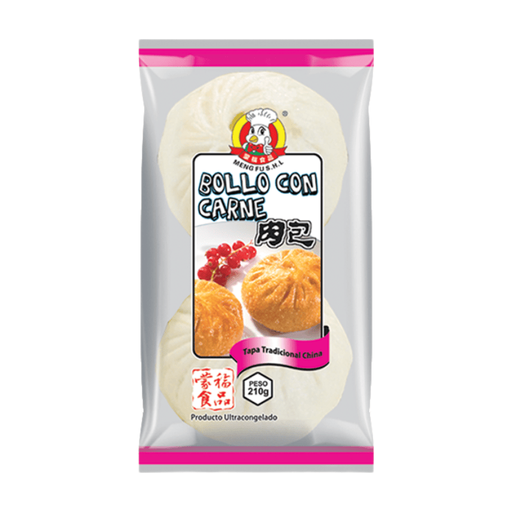
Why it suits this shopper: A good choice for fans of savoury pork bao buns who want a compact portion for a snack or quick meal.
The instructions say to steam for 15 minutes from frozen. Pork, gluten, soya, celery, sesame and molluscs are also listed as relevant ingredients or allergens.
Pork and vegetable filling, the option to pan-fry after defrosting, and a net weight of 210 g.
We’ve put together a full, up-to-date list of products that meet these strict selection criteria and the applicable European safety regulations.
A microwave is handy for one or two buns, but heating times vary from one appliance to another. Thorough heating is especially important for products containing meat, egg or custard. Store leftovers chilled or frozen as directed on the packaging, and don’t refreeze products once they’ve defrosted.
No. There are filled bao buns with sweet or savoury fillings, as well as plain steamed buns with no filling. Plain Chinese buns make a good side dish with, for example, stir-fried vegetables or soup.
Follow the use-by or best-before date on the packaging and keep them continuously at -18 °C or below. Their quality may deteriorate if the pack is left out of the freezer for a long time. Storage times after defrosting vary by product, so always check the label.
Some products can be microwaved. Depending on the instructions, you may need to make a small opening in the packaging or cover the bun. The microwave method isn’t suitable for every product. Always check that the centre is piping hot, and don’t use packaging that isn’t microwave-safe.
