
Vandaag of morgen in huis

Kwaliteit gegarandeerd

Welkomstaanbiedingen ontgrendelen: GRATIS bezorging | Tot 80% korting | Gratis 30 dagen JoyPlus-proefperiode
Download de app
A bottle of chilli sauce seems simple enough to choose, until you have to decide between sweet chilli sauce, sambal, gochujang, chilli paste and chilli oil. One sauce may be mainly sweet, another may contain fermented ingredients, while another is intended as a marinade or stir-fry sauce. If you choose based only on the colour or an eye-catching label, you could end up with a sauce that does not suit the dish or is far too large for occasional use.
A description such as “hot” or “spicy” does not always indicate a comparable level of intensity. Sometimes the heat comes from fresh chilli, sometimes from chilli powder, pepper paste or chilli extract. Many products do not follow a universal, mandatory heat scale. So check the ingredients and, if in doubt, start with a small amount.
According to the product information, Flower Sambal Jeanette contains 92% Madam Jeanette pepper and is intended for people who enjoy a clearly hot sambal. Sweet chilli sauce, such as Inproba Sweet Chilli Sauce, contains 7.4% chilli pepper and has a sweeter flavour profile.
A Korean sauce often has a different base from a Vietnamese chilli sauce or a Chinese sauce. Gochujang is a fermented red pepper paste with a robust, savoury flavour. Sambal is usually more compact and immediately hot. Chilli oil adds fat, aroma and sometimes crispy pieces as well as heat. Hoi sin is mainly sweet and savoury, with chilli as an additional flavour.
So choose according to how you intend to use it. A dipping sauce for spring rolls needs a different consistency from a stir-fry sauce for noodles or a marinade for the barbecue.
A 700 or 850 ml bottle may look attractively priced, but it is less practical if you only use chilli sauce occasionally. Check the shelf life, storage instructions after opening and the amount of space available in your fridge. A 500 to 570 gram jar is better suited to regular use in a household or small professional kitchen; a 120 to 165 ml bottle may be more convenient if you want to try a flavour first.
As well as the product name, read the first ingredients listed. If sugar appears high on the list, you can expect a sweeter sauce. Fermented soya, rice or beans often indicate more umami and a deeper flavour. Garlic, vinegar and tomato add extra fresh, acidic or savoury notes.
Always check the label, even when a product is advertised as vegan or allergen-free. Product information can change, and the packaging is the definitive source. Gochujang often contains soya and wheat. According to the listed ingredients, Haidilao Hotpot Dipping Sauce contains soya, sesame and wheat. Lao Gan Ma Spicy Crispy Oil contains peanuts, soya, sesame and cereals containing gluten.
According to the product description, Bibigo Vegan Gochujang is made without animal ingredients, but it does contain wheat and soya. “Vegan” therefore does not automatically mean free from common allergens.
Also check the nutritional values per 100 grams. Sauces can contain relatively high levels of sugar, salt or oil. For example, Sempio Korean Fried Chicken Sauce lists 29 grams of sugar and 3.1 grams of salt per 100 grams. Use products like these as flavourings and compare the values when placing different bottles side by side.
A squeezy bottle is practical for burgers, snacks and quick dips. A jar is often more convenient for thick gochujang, sambal or chilli oil. After opening, check whether refrigeration is required. Several products advise keeping the packaging tightly sealed and refrigerated after opening. Do not use a product if its packaging is damaged, and follow the best-before date on the label.
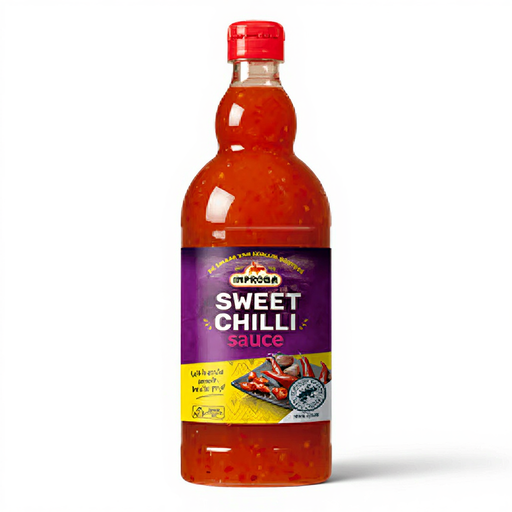
Why it suits this profile: The large bottle is practical for regular use with snacks, grilled chicken, crudités and Asian-inspired dishes.
The product information states that it contains 7.4% chilli pepper and clearly identifies its sweet flavour profile, so the sauce is not judged solely by a vague “hot” claim.
850 ml capacity; according to the product information, free from the 14 main EU allergens; suitable as a dip, marinade and addition to stir-fries.
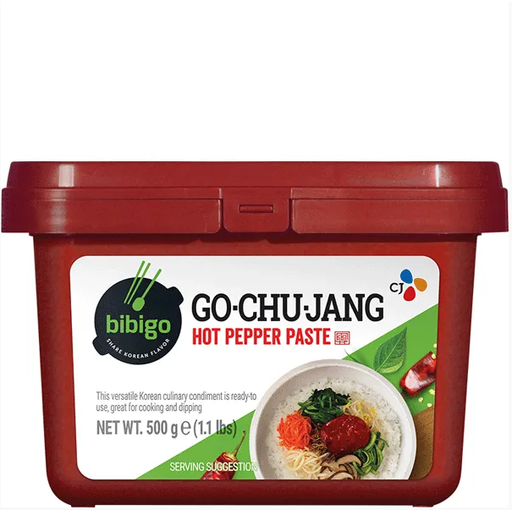
Why it suits this profile: This Korean chilli paste is ideal for home cooks looking for a deep, slightly sweet flavour for bibimbap, tofu, noodles and marinades.
The product description mentions a mild heat level and suggested uses, so you can choose based on flavour and purpose rather than just the word “spicy”.
570 grams; vegan according to the product information; fermented flavour; contains wheat and soya, clearly shown on the label.
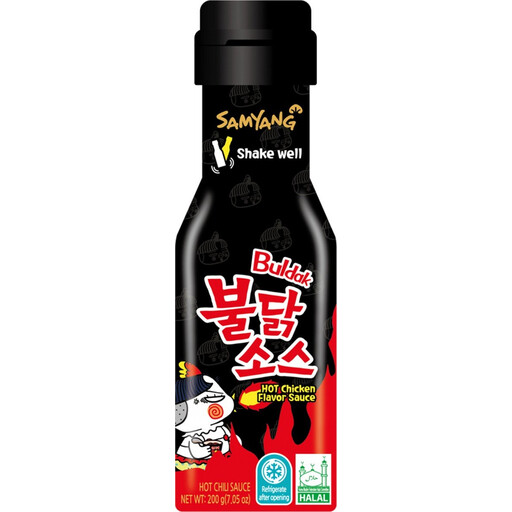
Why it suits this profile: The squeezy bottle is designed for users who want a distinctly hot Korean sauce for dips, marinades and noodles.
The 165 ml size helps reduce waste when using a strong sauce in measured amounts. The ingredients include red pepper paste, garlic, vinegar and soya.
Convenient squeezy bottle; suitable as a dip, marinade and cooking sauce; contains soya and wheat according to the label.
We have put together a complete, up-to-date list of products that fully meet these strict selection criteria and the applicable European safety regulations.
Chilli sauce is usually more fluid and may contain sugar, vinegar, garlic or tomato. Sambal is generally a thicker paste made from ground chillies and salt, sometimes with added acidity or other herbs and spices. The exact composition varies between varieties.
Look for the vegan certification or check the ingredients list. According to the product description, Bibigo Vegan Gochujang is made without animal ingredients. Other products may contain fish, shrimp paste or dairy ingredients. Always check the packaging, as recipes and labels can change.
Follow the instructions on the packaging. Many sauces need to be refrigerated after opening and kept tightly sealed. Use a clean spoon with jars, avoid contact with moisture and check the smell, colour and packaging before using the sauce.
