
Vandaag of morgen in huis

Kwaliteit gegarandeerd

Welkomstaanbiedingen ontgrendelen: GRATIS bezorging | Tot 80% korting | Gratis 30 dagen JoyPlus-proefperiode
Download de app
Anyone looking to buy chilli sauce will soon come across dozens of bottles and jars labelled “extra hot”, “authentic” and “original”. These terms do not always tell you enough about the flavour or how the sauce is best used. A sauce for spring rolls works differently from a Korean pepper paste for marinades, while chilli oil is mainly about texture and aroma.
With this practical buying guide, you can compare buying sambal, hot sauce, sweet chilli sauce and other authentic Asian sauces using verifiable information from the label.
A sauce containing a lot of chilli is not automatically suitable for every dish. Some varieties are particularly sharp because of the vinegar, while others contain a lot of sugar or oil. So do not just look for words such as “hot” or “spicy”. Also check:
Sambal oelek, for example, is primarily a base made from ground peppers. Sweet chilli sauce generally has a milder flavour and works well as a dip. Gochujang, also known as Korean chilli paste, combines pepper with rice, fermented soya and sweeter notes.
“Authentic” is often a marketing term. It is better to check the country of origin, ingredients and recommended uses. Bibigo Vegan Gochujang Red Pepper Paste, for example, states that it is made in Korea and contains fermented soya beans, rice and red pepper. That tells you more than simply describing it as having a “Korean flavour”.
If a brand cites its own research into flavour or performance, treat it as a brand claim: according to the brand’s own research, the result has not necessarily been independently verified. For a purchasing decision, the label, product description and your own taste preferences are more relevant.
A 570g jar or an 850ml bottle may seem good value for money, but only if you use the sauce regularly. Also check the storage instructions. Many products need to be tightly closed after opening and may need to be refrigerated. Always check the packaging for the exact shelf life and “best before” information.
Ingredients are listed in descending order by weight. If sugar or oil appears near the top, it often has a strong influence on the character of the sauce. Also check for allergens such as soya, peanuts, wheat and gluten.
Examples:
“Vegan” does not automatically mean allergen-free. Always read the current packaging, particularly if you have food intolerances.
There is no universal classification that indicates exactly how hot every chilli sauce tastes. The percentage of chilli is a useful starting point, but the pepper variety, acidity, sugar and oil all affect the overall experience.
Use this simple guide:
Also check the salt and sugar content per 100g. Sunlee Sweet Chilli Sauce, for example, lists 52g of carbohydrate, of which 48g are sugars, per 100g. This is useful information if you are looking for a less sweet sauce.
A squeeze bottle is practical for thin sauces such as Encona or Cholula. A jar is more convenient for thick pepper pastes and chilli oil, but preferably use clean cutlery to reduce the risk of contamination. With oily varieties, solid ingredients may settle at the bottom, so Lao Gan Ma recommends stirring the product thoroughly before use.
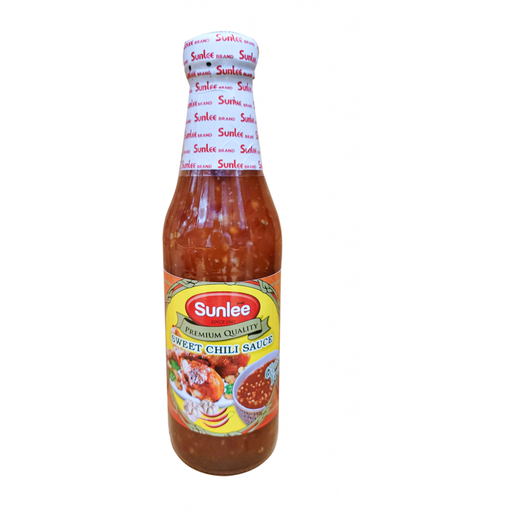
Why it suits this profile: The mild, sweet flavour is approachable for anyone trying an Asian chilli sauce for the first time. Suitable as a dip with snacks, vegetables and grilled dishes.
The product information clearly describes a sweet and mild profile. This means you will not end up buying an extremely hot sauce when you are mainly looking for a dip.
Liquid sauce with sugar, red pepper, vinegar and garlic; suitable for dips, marinades, glazes and stir-fries.
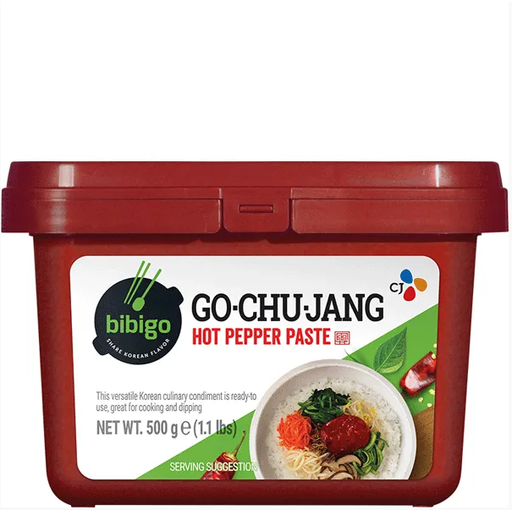
Why it suits this profile: For home cooks looking for a thick, fermented Korean pepper paste for bibimbap, noodles, stews and marinades.
The product description states the origin, fermentation process and ingredients. This allows you to compare its profile with other gochujang products instead of relying only on packaging claims.
570g, vegan according to the product information and suitable for sauces, dressings, stir-fries and marinades. However, it contains wheat and soya.
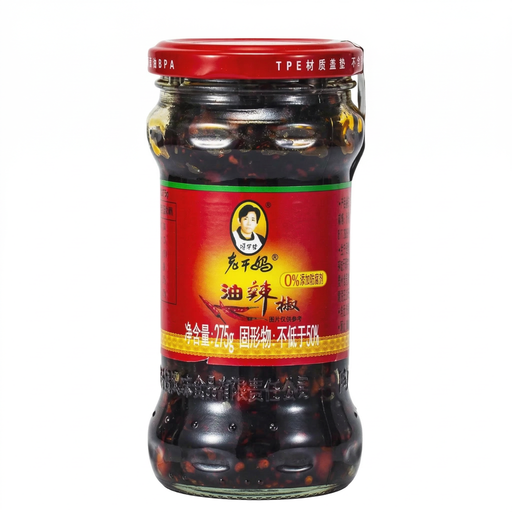
Why it suits this profile: A practical choice for anyone looking to add texture to noodles, rice, dumplings and stir-fries, rather than simply liquid heat.
The product information specifies 22% chilli flakes and 15% peanuts. You therefore know that this is an oil with pieces and a nutty texture, rather than a smooth hot sauce.
Crunchy chilli flakes and roasted peanuts; ready to use as a topping. Contains peanuts, wheat and flavour enhancers.
For a thin, tangy hot sauce, Encona Hot Pepper Sauce, Cholula Original and ABC Original Chilli Sauce are a better fit. They work well on pizza, eggs, snacks and soup, or mixed into mayonnaise. If you want to buy sambal for rice-table meals or potato dishes, consider Lekker Bekkie Grinded Chili, Flower Sambal Badjak Hot or Flower Sambal Jeanette. According to the product information, the latter contains 92% Madam Jeanette.
For Chinese dishes, Lao Gan Ma Preserved Black Bean in Chilli Oil and Nong Geng Ji Garlic & Yellow Pepper Sauce offer interesting flavour profiles. Alongside chilli, they bring beans, garlic or oil. When choosing Chinese chilli sauce, always check the salt content and any flavour enhancers.
We have put together a complete, up-to-date list of products that fully meet these strict selection criteria and the applicable European safety regulations.
Chilli sauce is often liquid and can be sweet, tangy or spicy. Sambal is usually thicker and made from ground peppers. The exact composition varies by brand and variety, so check the ingredients list and the percentage of pepper.
Follow the instructions on the packaging. Keep opened products tightly sealed and away from heat and moisture. Some sauces need to be refrigerated after opening. Always use the shelf-life information on the label as your guide.
You can choose from several styles for noodles. Gochujang provides a thick, fermented base; chilli oil adds oil and crunchy pieces; and a Chinese chilli sauce with black beans delivers a savoury flavour. Start with a small amount and add more later.
