
Vandaag of morgen in huis

Kwaliteit gegarandeerd

Welkomstaanbiedingen ontgrendelen: GRATIS bezorging | Tot 80% korting | Gratis 30 dagen JoyPlus-proefperiode
Download de app
When buying chilli sauce and chilli spices, most people focus on the word “hot” on the packaging. But that doesn’t always tell the full story. A fiery chilli sauce can taste mainly sour and salty, while a milder sambal can add plenty of aroma. And a large pack isn’t automatically good value if you only use the product occasionally.
This guide will help you compare spicy flavourings for dips, marinades, noodles, rice, soups, meat, fish and stir-fries.
The intensity of chilli varies from product to product and isn’t always shown on a standard scale. A sauce made with cayenne pepper can be sharp and acidic due to vinegar, whereas gochujang has a fermented, sweet-savoury taste. So don’t just look for “extra hot” – also consider:
A 850 ml bottle or a 500 g bag might look appealing for a household that cooks spicy food often. For occasional use, a smaller pack can be more practical. Always check the storage advice, the shelf life and the instructions after opening. A product that needs to be refrigerated also requires enough space in the fridge.
Chilli oil sometimes contains peanut, soya, sesame or wheat. Gochujang can contain soya or gluten. Sambal and chilli sauce can also be relatively high in salt or sugar. So always check the current label, especially if you have allergies or are cooking for guests. The product information online is a helpful guide, but the packaging remains the final authority.
The form determines how easily you can measure it and what you use it for.
Look at the first ingredients on the label. With Inproba Sweet Chilli Sauce, for example, sugar comes first and the product contains 7.4% chilli pepper according to the product information. That makes the sauce a logical choice as a sweet dip or glaze, but less suitable if you’re after a dry, sharp chilli.
With Flower Sambal Jeanette, the stated composition is 92% Madam Jeanette pepper, plus salt and acidity regulators. That suits users looking for a concentrated sambal. According to the brand’s product information, this variant is intended for those who find sambal oelek not hot enough; treat that description as a flavour guide and dose carefully.
Compare the contents with your actual usage. For catering or frequent home cooks, 500 g of chilli powder or 850 ml of sauce can be practical. For a first try, 60 to 200 ml or grams is often more manageable.
Also look out for:
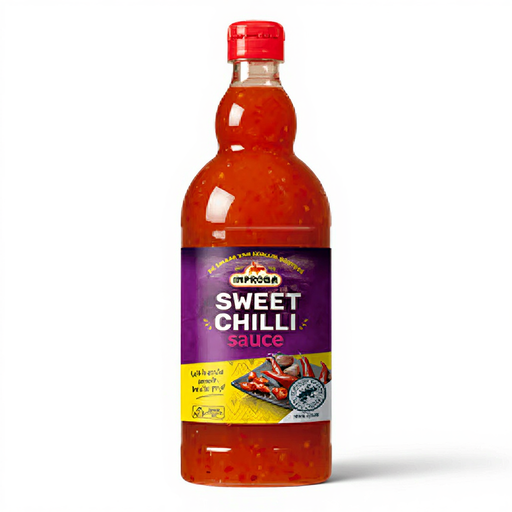
Why it suits this profile: The large bottle is practical for regular use as a dip, marinade or addition to Asian dishes.
The product information clearly states 7.4% chilli pepper and 42 g sugar per 100 g. This lets you judge the sweet flavour in advance, rather than relying on the name alone.
850 ml content; suitable as a dip, marinade and sauce for grilled chicken. According to the product information, it contains none of the 14 main EU allergens.
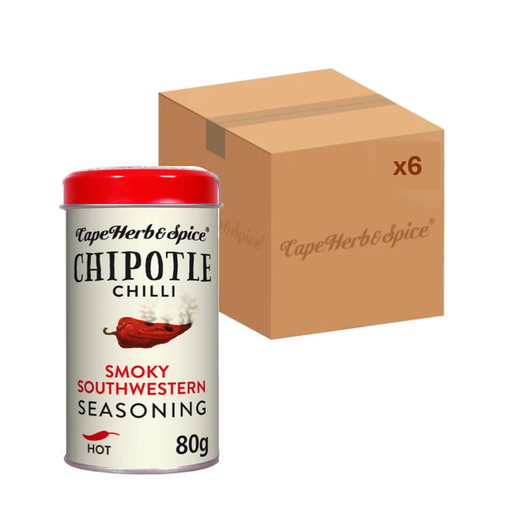
Why it suits this profile: This six-pack is aimed at home cooks who want smokiness and spice alongside heat for meat, chicken and Mexican dishes.
The ingredients list includes chipotle, smoked garlic, cumin, paprika and oregano. This makes it clear that it’s a rub and spice blend, not pure chilli powder.
Six tins of 80 g; shaker insert; can be used as a seasoning, rub, marinade or table condiment. Note possible traces of mustard, soya and sesame among others.

Why it suits this profile: Ideal for frequent home cooks and catering professionals who want to make their own chilli oil, spice blends, stir-fries or stock.
You control the dosage and preparation method yourself. According to the product information, the pack contains dried cayenne pepper with no added oil or sauce.
200 g whole dried peppers; can be used whole, as flakes or powder; suitable for homemade chilli oil. Store airtight and dry.
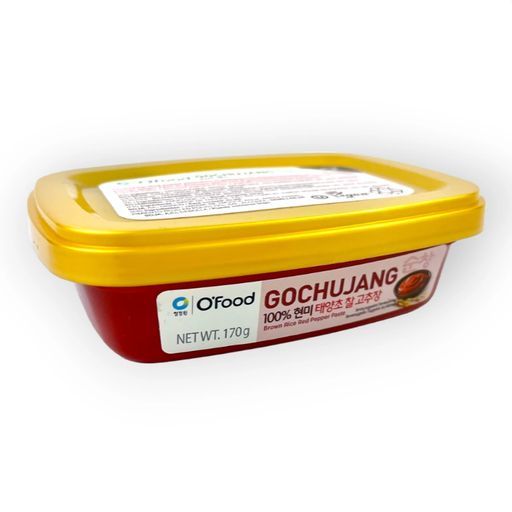
Why it suits this profile: A compact Korean chilli paste for bibimbap, marinades, soups, stews and stir-fries.
The product information lists brown rice, fermented soya and red pepper powder. This tells you the flavour isn’t just about sharp chilli. The product contains soya.
170 g pack; suitable as a condiment, marinade and base for soups or stir-fries; combines spicy, sweet and savoury notes.
We’ve put together a full, up-to-date list of products that fully meet these strict selection criteria and comply with current European safety regulations.
Sambal is usually a thicker paste made from ground chilli peppers. Chilli sauce is often more liquid and can contain vinegar, sugar, water or thickeners. Sambal therefore works well stirred through rice and noodles, while chilli sauce is easy to pour as a dip or topping.
Always follow the label. Unopened products are usually best kept cool and dry, away from direct sunlight. After opening, refrigeration may be necessary, especially for some sauces. Chilli oil should be sealed tightly; stir or shake products with oil and solids according to the usage instructions. Store dried chilli peppers airtight, dry and away from light.
Start with a small amount and add more later. With sauces, you can use a few drops or half a teaspoon per dish. Chilli powder and chilli flakes spread quickly through a dish, so it’s wise to dose carefully. Taste only after the flavourings have been thoroughly mixed in.
