
Vandaag of morgen in huis

Kwaliteit gegarandeerd

Welkomstaanbiedingen ontgrendelen: GRATIS bezorging | Tot 80% korting | Gratis 30 dagen JoyPlus-proefperiode
Download de app
A bottle of chilli sauce might seem simple to choose, but the difference between sweet, sour, smoky and extremely hot is vast. The packaging can also be misleading: a flashy label tells you little about the amount of chilli, the sugar content or how the sauce should be used.
When shopping online, these are the main pitfalls to watch out for:
Think about what you want to use the sauce for. A chilli sauce for chicken often has a sweet-and-sour base and works well for marinating, glazing or dipping. A classic hot pepper sauce is more of a flavour enhancer for pizza, soup, pasta or meat.
Use this breakdown as a practical starting point:
A product name gives you a clue, but always check the ingredients too. For example, GO-TAN Sweet Chilli Sauce lists a combination of sugar, water, vinegar and red chilli peppers. Panta Sweet Chilli Sauce for Chicken is described as sweet, sour and mildly spicy, with visible chilli flakes.
The amount of chilli can give you an idea of the flavour intensity, but without a standardised Scoville rating, you can’t work out the exact heat level from a percentage alone. A sauce with 18% red chilli, as stated for Sweet Chilli Sauce for Chicken 730 ml, has a different profile to a sauce with a lower chilli content, but the taste still depends on the type of pepper, vinegar, sugar and preparation method.
Also pay attention to the nutritional values per 100 ml or 100 grams:
This information helps you choose a sauce that suits your dish, without relying solely on marketing terms like “extra hot” or “authentic”.
Before you buy, check the allergen information, especially if anyone in your household has a food allergy. Flying Goose Sriracha Chilli Sauce with Mustard contains mustard according to the product information. Sunlee Thai Spicy Salad Dressing lists fish and soya, while Hein Extra Spicy Flavor Dipping Seasoning contains sesame, peanuts and soya, among other things.
The bottle size also matters:
Store the bottle according to the label. Products should generally be kept cool, dry and out of direct sunlight. Some sauces need to be refrigerated after opening. Always check the best-before information on the packaging and do not use a damaged container.
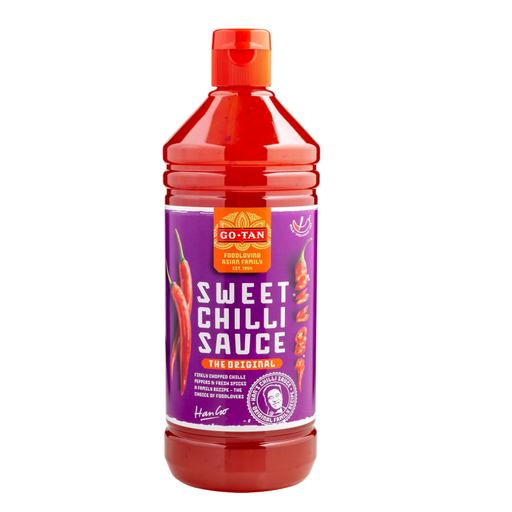
Why this fits the profile: A straightforward bottle size and a sweet-spicy profile make this sauce accessible for snacks, chicken and stir-fries.
The product information lists ingredients and nutritional values, including around 41–47.5 grams of sugar per 100 ml. This makes it clear that it’s a sweet chilli sauce.
270 ml; can be used as a dipping sauce, with chicken and in Asian dishes; product description lists mustard as an allergen.
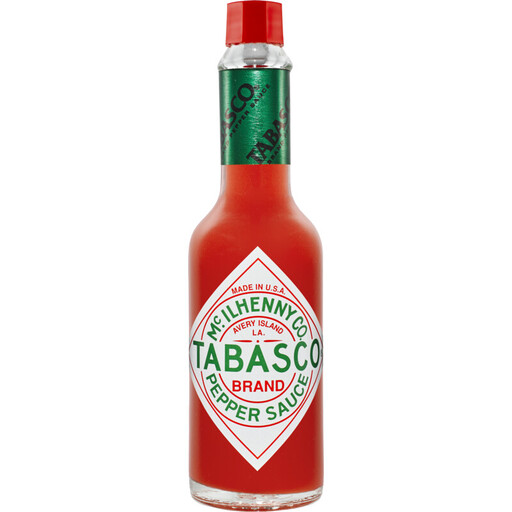
Why this fits the profile: For those who want a thin, acidic pepper sauce to use in small doses on pizza, meat, pasta or soup.
The ingredients list is short: vinegar, red pepper and salt. The 60 ml bottle limits waste when you only use a few drops per dish.
19% red pepper according to the product information; 0 grams of sugar per 100 grams; compact packaging.
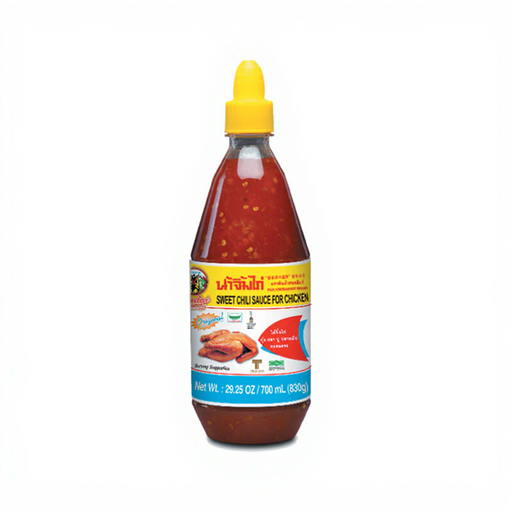
Why this fits the profile: The large bottle is practical for families, parties and anyone who regularly serves chicken, barbecue dishes or snacks.
The intended use is clear from the product name and description. The stated composition includes red chilli, garlic and vinegar; it’s not a neutral table sauce.
700 ml; suitable as a dip, marinade and glaze; product description mentions visible chilli flakes and a mildly spicy profile.
We’ve put together a full, up-to-date list of products that fully meet these strict selection criteria and comply with current European safety regulations.
For chicken, a sweet chilli sauce or a chilli sauce specifically for chicken are practical choices. They can be used as a dip, marinade or glaze. Keep an eye on the sugar content if you’re using the sauce during grilling, as a sweet sauce can colour more quickly. You may want to add the sauce only at the end.
Sriracha sauce usually contains chilli, garlic, sugar and vinegar and tends to have a thicker texture. Chilli sauce is a broader category: it includes sweet chilli sauce, hot pepper sauce, sambal sauce and fruity varieties. Check the ingredients and usage instructions for each product.
This varies by product. Store the sauce according to the label and pay attention to the recommended period after opening. A bottle with a short ingredients list isn’t automatically longer-lasting. Check the smell, colour, texture and packaging, but when in doubt, follow the manufacturer’s information.
