
Vandaag of morgen in huis

Kwaliteit gegarandeerd

Welkomstaanbiedingen ontgrendelen: GRATIS bezorging | Tot 80% korting | Gratis 30 dagen JoyPlus-proefperiode
Download de app
A bottle of chilli sauce might seem simple to choose, until you have to compare sambal, hot sauce, gochujang and Asian chilli sauce. One sauce is thin and vinegary, another is thick and sweet. The heat level can also vary dramatically. What’s more, a flashy label or a claim like “extra hot” doesn’t always tell you how the sauce will actually perform in your cooking.
So if you’re buying chilli sauce online, it pays to look beyond the brand name and packaging. Pay close attention to the ingredients, texture, origin, storage instructions and what you need the sauce for.
A hot pepper sauce can taste mainly sharp and acidic, whereas a sambal is often fuller, more garlicky or spiced. A red pepper sauce with lots of vinegar, for example, works well as a finishing touch on pizza or eggs, but may be less suitable as a marinade.
The term “hot sauce” is also broad. The product description might refer to a mild, sweet-spicy sauce, but it could equally mean a thin sauce with a strong pepper and vinegar taste. So look at the suggested use, not just the name.
Thick Asian chilli sauce often contains sugar, starch, garlic and sometimes tomato. That makes it suitable as a dip for spring rolls, dumplings and snacks. If you’re after a direct pepper kick, you’re better off looking at sambal or a sauce with a high proportion of chilli pepper.
With CHINSU Chili Sauce, the product information states that the flavour comes from chilli, sugar, garlic, sweet potato and tomato purée, among other ingredients. The nutritional information lists 19 grams of sugar per 100 grams. That’s relevant information if you’re looking for a less sweet sauce.
International sauces can contain soya, wheat, celery, mustard, sesame or shellfish. Always check the actual packaging. Product details online can change and are not a substitute for the label.
Also pay attention to the storage instructions. Many sauces need to be refrigerated after opening, especially varieties with fresh ingredients, oil or a thicker texture. A product that isn’t properly sealed or chilled after opening can deteriorate in quality more quickly.
In the European Union, ingredients are listed in descending order by weight. If chilli or red pepper appears first, it generally forms a significant part of the base. If sugar, water or syrup comes first, the emphasis is probably more on sweetness or volume.
Examples:
This doesn’t automatically tell you how hot a sauce will actually taste. Pepper variety, quantity, acidity and personal taste all play a part.
The consistency determines how you use the sauce:
When you’re weighing up several products, compare sugar, salt and fat per 100 grams in particular. A spicy taste doesn’t automatically mean a sauce is low in sugar or salt.
Also check:
The following recommendations are based on the stated product information, ingredients and uses. The perceived heat level remains personal.
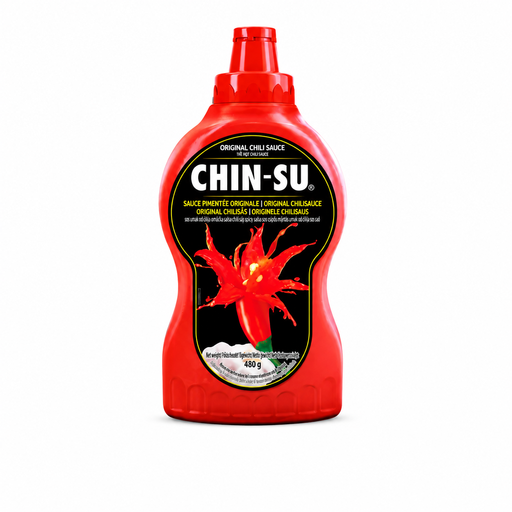
Why this fits the profile: The generous bottle is ideal if you’re after a versatile Vietnamese chilli sauce for snacks, spring rolls, noodles and everyday meals.
The product information mentions a smooth, thick texture and a medium heat level. This makes it clearer what you can use the sauce for than a general label like hot sauce.
480 g bottle, suitable as a dip and ingredient, with garlic and sweet potato in the ingredients list. Check the carmine allergen information stated on the label.
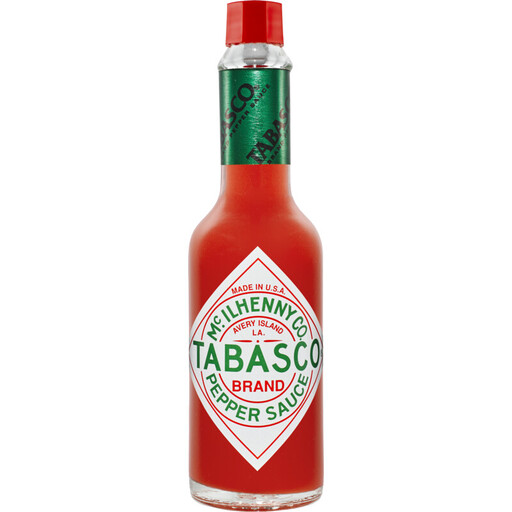
Why this fits the profile: A compact red pepper sauce for those who want to add flavour to pizza, pasta, meat, eggs or soup with just a few drops.
The ingredients list is short: vinegar, red pepper and salt according to the product data. So you know you’re not buying a thick, sweet dipping sauce.
The 60 ml size is practical when you want to control how much you use. The product information states 0 grams of sugar per 100 grams and a vinegar-rich composition.
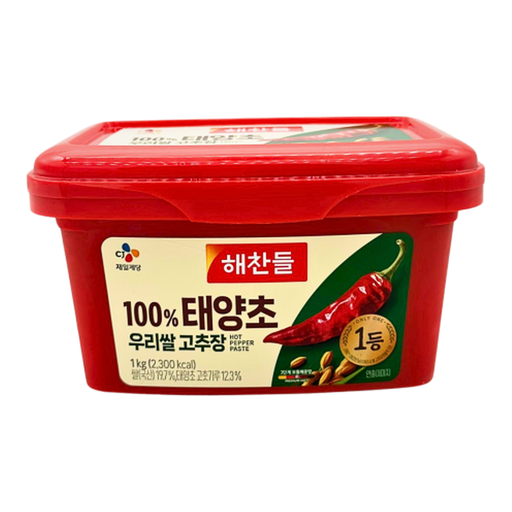
Why this fits the profile: The large pack suits home cooks who regularly make Korean dishes, marinades, soups and stir-fries.
The product description explicitly mentions fermentation ingredients such as brown rice and soya. So it’s a Korean pepper paste, not a thin dip or classic sambal.
1 kg pack for frequent use. Suitable as a seasoning, in soup, stir-fries and meat marinades. Contains soya; also check the actual packaging.
We’ve put together a full, up-to-date list of products that fully meet these strict selection criteria and comply with current European safety regulations.
Start by adding a small amount of sauce, then build up. This works especially well with strong sambal, gochujang and thin hot sauce.
Watch out for salt combinations: soy sauce, stock and chilli sauce can together quickly make a meal too salty.
Chilli sauce is often thin or thick and can contain sugar, vinegar, garlic and thickeners. Sambal is usually a coarser pepper paste with salt, acid and sometimes onion, oil or spices. The exact composition varies by variety.
This varies by product. Store an opened bottle according to the label. Some sauces can be kept in a cool, dry place, while others need to go in the fridge after opening. Always check the best-before information on the packaging and use a clean spoon with thick sauces.
A thicker sauce with sugar, garlic or spices generally clings well to meat, tofu or vegetables. Gochujang is suitable for Korean marinades, while a sweet Asian chilli sauce can be used as a simple glaze. Add a thin hot pepper sauce sparingly to an existing marinade instead, so the vinegar and heat don’t overpower the other flavours.
