
Vandaag of morgen in huis

Kwaliteit gegarandeerd

Welkomstaanbiedingen ontgrendelen: GRATIS bezorging | Tot 80% korting | Gratis 30 dagen JoyPlus-proefperiode
Download de app
A bottle of chilli sauce might seem simple to pick, but the difference between a sweet dipping sauce, sambal and a Korean chilli paste is huge. If you only look at the word “spicy” on the label, you could end up with a sauce that’s too sweet for a stir-fry, too salty for rice, or not suitable for an allergy.
So pay particular attention to three common pitfalls:
The right choice depends on the flavour and the dish you want to make.
Sweet chilli sauce combines sugar, vinegar, chilli and often garlic. The flavour is usually mild to lightly spicy. This type works well as a dipping sauce for spring rolls, prawns, snacks and raw vegetables. You can also use the sauce as a glaze for chicken or as an addition to a marinade.
Watch out for the sugar content. For example, Sunlee Sweet Chilli Sauce contains 48g of sugar per 100g and 2g of salt per 100g, according to the product information. Inproba Sweet Chilli Sauce lists 42g of sugar and 3.5g of salt per 100g. This makes these products suitable for those who enjoy a clear sweet-spicy flavour, but less appropriate if you’re looking for a savoury sauce.
Sambal is usually thicker and more concentrated than a liquid Thai chilli sauce. Sambal oelek often consists mainly of ground chilli, salt and acid. Sambal badjak is fried and tends to have a rounder, fuller flavour. Sambal manis adds sweetness to that.
A variety with Madame Jeanette, such as Flower Sambal Jeanette, contains 92% Madame Jeanette according to the product information. With products like these, check the ingredients and add small amounts. The intensity can vary greatly depending on the chilli pepper and recipe.
Gochujang is a Korean fermented chilli paste. The base often includes red pepper, rice or grain, soya, salt and sweetener. The paste is thick, savoury and slightly sweet. This makes gochujang a great fit for bibimbap, Korean barbecue, soups, stews and marinades.
Check allergens carefully. The product information for Delief Red Pepper Paste Gochujang lists soya and wheat. Ajumma Republic Gochujang Hot Pepper Paste also contains wheat. A larger pack, such as CJ Haechandle Gochujang Hot Red Pepper Paste at 1kg, can be worthwhile for heavy users, but only if you use the paste regularly.
Chopped chilli consists of chopped fresh or fermented peppers. Chinese varieties often combine chilli with garlic, oil, beans or spices. They are suitable for rice, noodles, dumplings and stir-fries.
Chilli oil adds not only heat but also fat and texture. Lao Gan Ma Spicy Crispy Oil Chili contains chilli, peanuts, soya, sesame and wheat, according to the product information. This gives plenty of flavour, but makes checking allergens all the more important.
Don’t just look at the front of the packaging. Check the full ingredients list for:
The information on a webpage may differ from the actual packaging. So always read the label, allergen information and storage instructions before use. This is especially important with imported products.
Use the sauce’s texture as a practical guide:
A sauce with a lot of sugar can caramelise more quickly during cooking or stick to the pan. So with a stir-fry, add it towards the end and keep stirring.
Compare the size with how often you’ll use it. A jar of 170g to 210g is practical for occasional use. For families, catering or meal prep, 500g to 1kg may be more logical.
Also pay attention to salt and fat per 100g. Tantanxiang Chopped Chili for Rice lists 10.2g of salt per 100g, according to the product information. Lao Gan Ma Spicy Crispy Oil Chili lists 71.1g of fat per 100g. That doesn’t say anything about the overall quality, but it does help you compare products fairly.
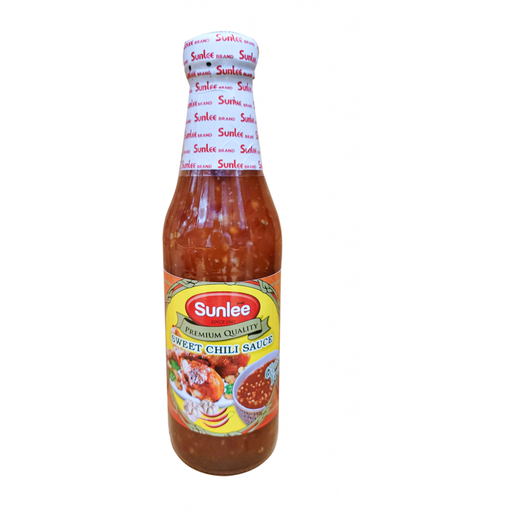
Why this fits the profile: A compact size for anyone wanting to try a versatile Thai chilli sauce with snacks, rice or noodles.
The ingredients and nutritional values are clearly stated. The 300ml bottle reduces the risk of waste with irregular use.
Mild sweet-spicy flavour; according to the product information, free from the 14 major EU allergens.
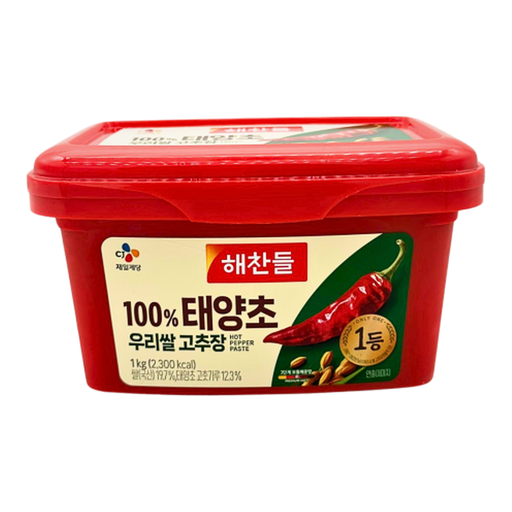
Why this fits the profile: A generous pack for home cooks who regularly make Korean soups, marinades, stir-fries or bibimbap.
The product information states the origin (South Korea), its use as a marinade and the presence of soya.
Fermented paste; suitable for soup, stir-fry dishes and meat marinades.
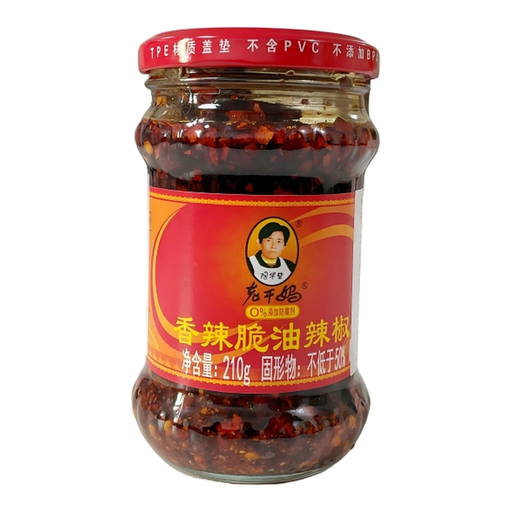
Why this fits the profile: For anyone who wants texture and savoury heat in noodles, rice, dumplings, hotpot or stir-fries.
The product information explicitly mentions peanut, soya, sesame and wheat. This lets you tailor the sauce more precisely to your diet.
Crispy chilli pieces; ready to use as a topping or seasoning.
We’ve put together a full, up-to-date list of products that fully meet these strict selection criteria and comply with current European safety regulations.
For rice and noodles, you can choose from several styles. Sweet chilli sauce gives a sweet, mild layer. Chopped chilli or chilli oil adds more texture and savouriness. Gochujang is suitable when you want a thick Korean seasoning. Start with a small amount and add more afterwards.
That varies by product. Some sauces need to be stored in the fridge after opening, while others can be kept in a cool, dry place according to the label. Always follow the instructions on the packaging. Watch for changes in smell, colour, texture or mould, and use a clean spoon.
No. Many spicy sauces also contain sugar or syrup. So check both the chilli percentage and the nutritional values. For a less sweet choice, sambal, chopped chilli or a chilli paste with little sugar often works better than a classic sweet chilli sauce.
