
Vandaag of morgen in huis

Kwaliteit gegarandeerd

Welkomstaanbiedingen ontgrendelen: GRATIS bezorging | Tot 80% korting | Gratis 30 dagen JoyPlus-proefperiode
Download de app
A jar of chilli sauce might seem simple to pick, but the difference between sambal, chilli paste and a sweet hot sauce is huge. One variety works best as a dip, while another is designed for stir-fries, marinades or noodles. Terms like “authentic”, “extra hot” and “natural” don’t always tell you enough about what’s inside.
So watch out for these three common pitfalls:
With the right information, you can buy chilli sauce more confidently for Asian, Surinamese, Indonesian, Korean, Mexican or Thai dishes.
First, decide which type of product you need:
The amount of chilli in the ingredients list gives a useful clue. Windmill Original Foods Sambal Oelek contains 86% chilli peppers according to the product information. Flower Sambal Jeanette lists 92% Madame Jeanette. That doesn’t automatically mean the flavour is nicer for everyone, but it does give you insight into the sauce’s base.
A name like “hot”, “spicy” or “extra hot” isn’t a standardised measure. So check:
Madame Jeanette is known for a distinctly fiery taste, but the exact experience also depends on the balance with salt, acid and other ingredients. Nan Guo Spicy Yellow Pepper Sauce, for example, lists at least 47% yellow pepper and also contains garlic, pumpkin, vinegar and baijiu. According to the product description, this creates a salty, savoury and lightly fermented flavour.
Always read the label on the packaging. Key points to consider are:
The information on a product page may differ from the actual packaging. So always check the ingredients, allergens, best-before date and storage instructions on the label before use.
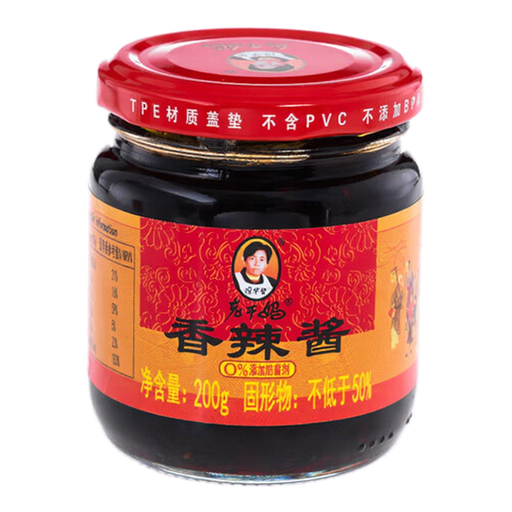
Why this fits the profile: This Chinese chilli sauce combines chilli with oil and fermented black beans. That means one spoonful can add more savoury depth to rice, noodles or stir-fries.
The product information clearly lists chilli, oil and fermented black beans. So you know this isn’t a simple vinegar sauce.
Savoury flavour, oily texture and versatile use with rice, noodles and hot dishes. Contains soya and wheat; check the label if you have allergies.
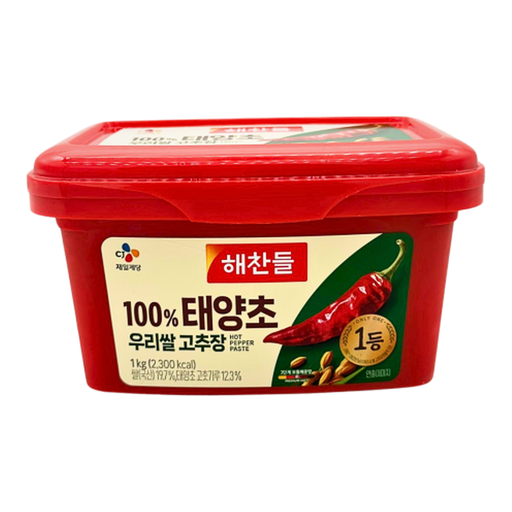
Why this fits the profile: Gochujang is a thick Korean chilli paste for soups, marinades, stir-fries and meat. The large pack suits anyone who cooks Korean food regularly.
The product description lists the main uses and ingredients, including brown rice, red pepper and soya.
Large 1 kg pack and a thick texture that blends well into marinades and sauces. Contains soya; read the label for allergen information.
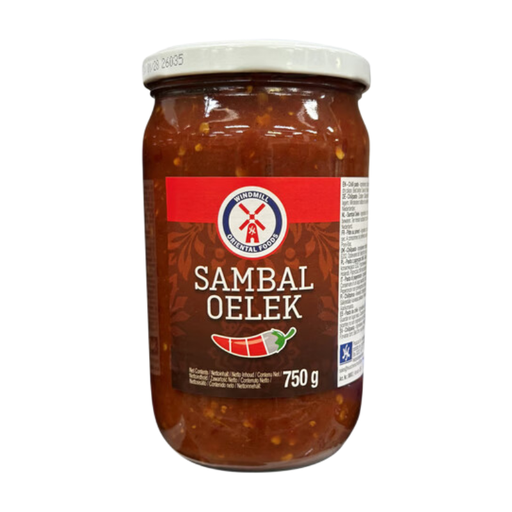
Why this fits the profile: The large jar is aimed at frequent home cooks, catering and food service. Use the sambal as a base for marinades, soups, nasi, noodles or dips.
With 86% chilli peppers and a short ingredients list, the base is clear. The large pack stops heavy users from running out quickly.
750 grams, ready to use and suitable for both cold and hot preparations. The stated salt content is 11.33 grams per 100 grams.
We’ve put together a full, up-to-date list of products that fully meet these strict selection criteria and current European safety regulations.
Sambal oelek is usually a coarse or smooth chilli paste made with chilli peppers, salt, water and an acidity regulator. Chilli sauce is a broader category. It can also contain oil, sugar, garlic, fruit, fermented beans or vinegar. So always check the ingredients and the intended use.
That depends on the product. Follow the instructions on the label and store an opened jar or bottle according to the product information, often in the fridge. Use clean utensils, seal the packaging well and watch for changes in smell, colour, texture or taste.
For a savoury Chinese flavour, look for an oily sauce with fermented black beans, such as Lao Gan Ma. Sambal oelek mainly gives direct chilli heat without much extra sweetness. For Korean dishes, gochujang is a better fit thanks to its thicker texture and the combination of chilli, rice, soya and sweeter notes.
