
Vandaag of morgen in huis

Kwaliteit gegarandeerd

Welkomstaanbiedingen ontgrendelen: GRATIS bezorging | Tot 80% korting | Gratis 30 dagen JoyPlus-proefperiode
Download de app
A jar of chilli sauce might seem simple to pick, but the differences are huge. One sauce is mostly oily and savoury, another is sweet and thick. And the name alone doesn't always tell you enough: sambal, chilli crisp, hot sauce and gochujang each have a different texture and purpose.
The most common buying mistakes come down to three pitfalls:
If you're buying chilli sauce for rice, noodles, stir-fries, meat, snacks or marinades, it's worth deciding how you'll use it first.
A sambal oelek is typically made from finely ground chillies with salt and acid. That gives a direct chilli flavour and works well with nasi, chips, snacks and marinades. A sambal badjak is fried and often contains onion, garlic, spices and sugar. This gives it a rounder flavour, making it suitable as a table condiment or a base for a stir-fry.
With Chinese chilli sauce, you'll often see oil, fermented black beans, garlic or ginger. That adds more savouriness. The Lao Gan Ma Chili Sauce 200g, for example, lists rapeseed oil, chilli and fermented black beans as key ingredients. According to the product description, the sauce is made with oil and is intended for rice, noodles and cooking.
Chilli crisp usually contains solid pieces of chilli, oil and sometimes mushroom, beans or meat. Texture matters here: you get not just heat, but also crunchy or coarse bits. Always check the allergens and suitability for your diet with varieties that contain meat or prawns.
Before you buy, check at least:
If you have an allergy or intolerance, the packaging is your guide. Product information can change, so always check the current label.
A small jar of 120 to 200g is practical if you use a spicy condiment every now and then. For daily cooking, 280g or 1kg can be better value, but only if you'll use it before the best-before date.
Pay attention to the difference between:
An opened sauce with oil, fresh ingredients or prawns needs extra care. Follow the storage instructions on the packaging and don't use the sauce if the packaging is damaged.
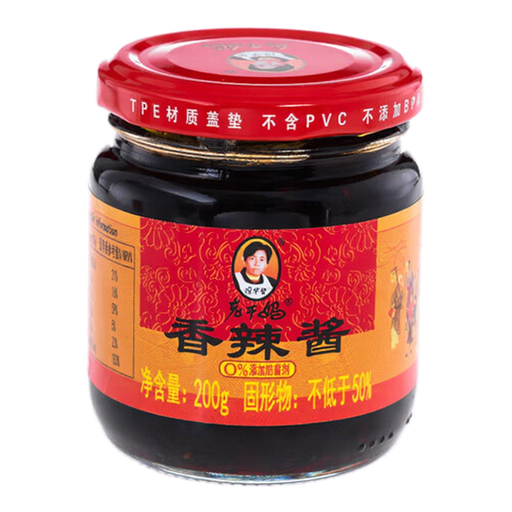
Why it fits this profile: This Chinese chilli sauce combines chilli, oil and fermented black beans. That makes it versatile for rice, noodles and simple stir-fries without needing multiple seasonings.
The product information clearly states its uses and ingredients. Do watch out for soya, wheat and the stated salt content. Also check the volume on the current label, as the product name says 200g while the description mentions 280g.
Savoury flavour from fermented black beans; suitable as a table condiment and as an ingredient in hot dishes.
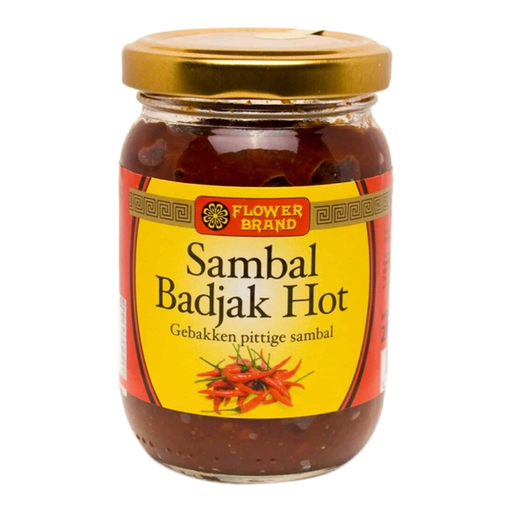
Why it fits this profile: The fried base with red chillies, onion, garlic, lemongrass and galangal suits Indonesian dishes, rijsttafels and marinades.
The ingredients list makes it clear this isn't a pure chilli sauce, but a spiced and sweetened sambal. That lets you judge the flavour better than relying on the word "hot" alone.
According to the product information, no E621; 200g; none of the 14 main EU allergens listed.
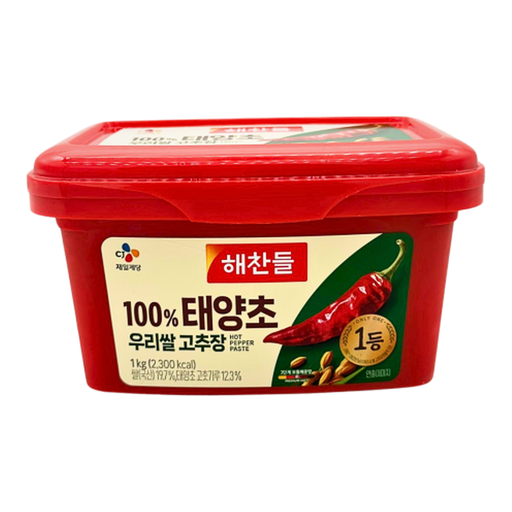
Why it fits this profile: A kilogram of Korean gochujang is practical if you regularly make soups, stews, stir-fries and marinades.
The large pack means you won't run out quickly with frequent use. Check the best-before date, storage instructions and current label before buying; the product description mentions rice, soya and red chilli.
1kg volume; according to the product description, suitable for soup, stir-fry dishes and meat marinades; contains soya.
We've put together a full, up-to-date list of products that fully meet these strict selection criteria and current European safety regulations.
Sambal is usually a chilli sauce from Indonesian cuisine, often with a coarser texture and a direct chilli flavour. Chilli sauce is a broader category. It includes Chinese chilli sauce, chilli garlic sauce, chilli crisp, sweet chilli sauce and Korean gochujang. The ingredients and uses vary from product to product.
For rice and noodles, you could choose an oily chilli crisp, a Chinese sauce with fermented black beans, or a chopped chilli. For a sweet-spicy combination, a Thai chilli sauce works well. A fermented Korean chilli paste works more as a base for a sauce, marinade or stir-fry than as a thin dipping sauce.
That depends on the product. Some sauces can be stored in a cool, dry place after opening; others need to go in the fridge. Check the label for storage instructions and the period after opening. Use an opened sauce with fresh chillies, prawns or other perishable ingredients within the stated time, and check the smell, colour and texture before use.
