
Vandaag of morgen in huis

Kwaliteit gegarandeerd

Welkomstaanbiedingen ontgrendelen: GRATIS bezorging | Tot 80% korting | Gratis 30 dagen JoyPlus-proefperiode
Download de app
A jar of chilli sauce might seem simple to pick, but the difference between chilli paste, sambal, chopped chilli, chilli oil and pickled peppers is huge. One variety works well with noodles and stir-fries, while another is intended as a dip, side dish or flavour enhancer for rice.
When buying, don't just rely on words like "extra hot" or "traditional". The ingredients, salt content, preparation method and storage instructions all determine how useful a product really is in your kitchen.
A high chilli content doesn't automatically mean a sauce will suit your dishes. A product might be very sharp, when what you're actually after is garlic, acidity, fermented notes or an oily texture.
Chinese chilli sauce sometimes contains fermented soya beans, soy sauce or sulphites. Turkish pickled peppers may contain sulphites as a preservative. Always check the ingredients and allergens on the packaging, especially if you have a soya or sulphite allergy.
The salt content also deserves attention. In the product information for various Hunan chilli condiments, this ranges from around 8.5 to 12.5 grams of salt per 100 grams. That means a small portion is often enough.
An unopened jar can be stored outside the fridge, but that's not always the case after opening. Many products then need to be chilled and used up quickly. A frozen product, such as green chilli peppers, must stay frozen until use and should not be refrozen after defrosting.
Also check the net weight. A 210g jar is handy for regular use, while a 600g or 680g pack is better suited to a large household or multiple meals.
The percentage of chilli gives an initial indication of the composition, but it doesn't just tell you about the heat. In Tantanxiang Premium Chopped Chili, the product consists of 75% fresh chilli according to the product information. The texture is coarsely chopped, making it suitable for rice, noodles, stir-fries and steamed fish.
TanTan Xiang Selected Small Chili lists 52% chilli and has a simpler composition with water, salt, acidity regulators and preservatives. That can be practical if you're looking for a ready-to-use flavour enhancer without an oily sauce.
A sour chilli sauce or pickled pepper works well with richer dishes and snacks. Sera Sus Biber Tursusu consists of hot finger peppers in a vinegar-based marinade, according to the label. The flavour profile is therefore different from a Chinese chilli paste.
With chilli oil and chilli crisp, the oil determines much of the mouthfeel. Lao Gan Ma Chili Crisp Sauce contains chilli, rapeseed oil, soya beans and mushroom, according to the product information. This type of chilli condiment works well stirred through rice or noodles, but because of its fat content it's less suitable if you're after a light, sour heat.
Where possible, compare the nutritional values per 100 grams. Products with oil often have more energy than pickled peppers or a simple chopped chilli sauce. Also look out for:
The product information should always be checked on the actual packaging. According to the brands' own product information, recipes, shelf life and usage advice can vary between variants.
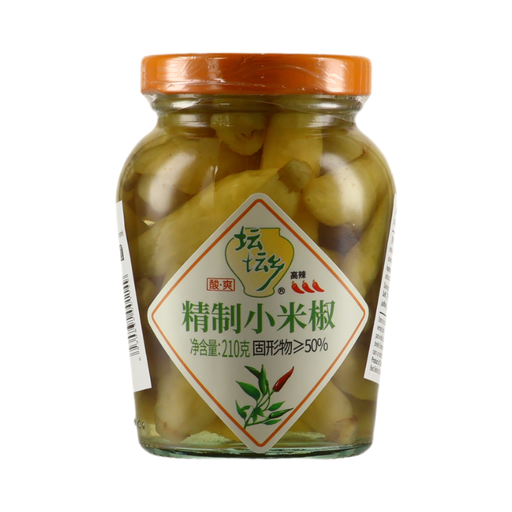
Why this suits the profile: A compact 210g jar of chopped chilli that can be added straight to rice, noodles or a sauce.
The product information states the chilli content of 52%, so you can compare the composition rather than relying on marketing words alone.
210g, ready to use and suitable as a condiment or cooking ingredient according to the product information.
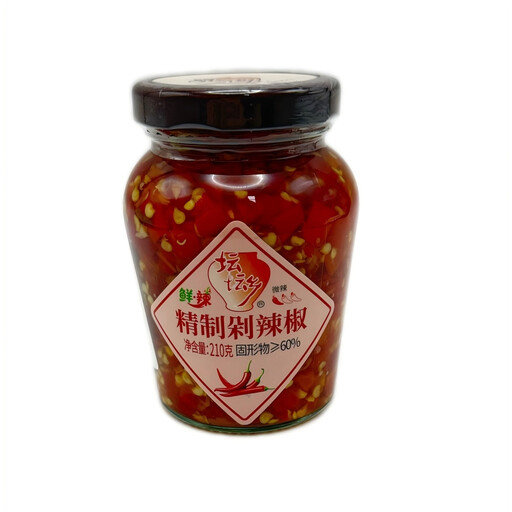
Why this suits the profile: For those looking for a coarser texture and a distinctive Hunan-style flavour for everyday meals.
The label states 75% fresh chilli and lists soya as an allergen. This makes the composition and key points verifiable.
Coarsely chopped chilli, 210g and suitable for rice, noodles, stir-fries and as a side dish.
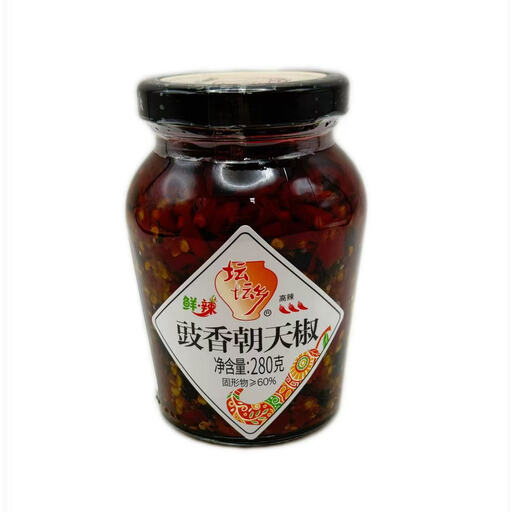
Why this suits the profile: Ideal for fans of a bold, savoury chilli with fermented soya bean flavour for rice and noodles.
The ingredients and allergens are clearly listed: the product contains soya and sulphites. This helps you avoid a purchase based solely on the heat level.
280g, ready to serve and suitable as a side dish or cooking ingredient according to the product information.
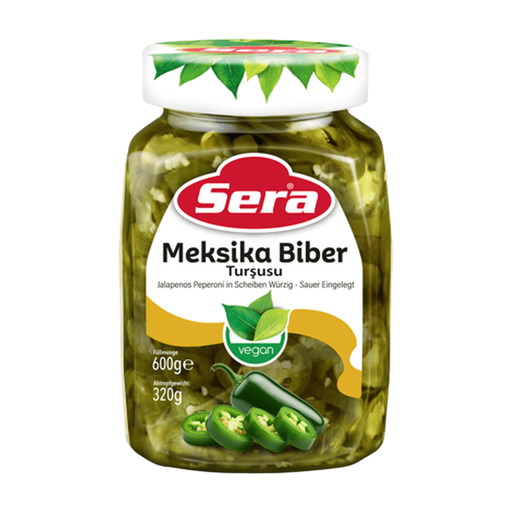
Why this suits the profile: A practical choice for sandwiches, pizza, salads, mezze and grilled dishes where sourness and heat are desired.
This is clearly a pickled product, not a concentrated chilli paste. The ingredients list hot peppers, vinegar and citric acid.
Large 600g pack, ready to use and suitable for both cold and hot dishes.
We've put together a full, up-to-date list of products that fully meet these strict selection criteria and current European safety regulations.
A chopped chilli sauce, chilli crisp or fermented chilli sauce usually works well with rice and noodles. Choose a variety with oil or fermented ingredients if you want more savouriness. For a fresher taste, you can use pickled chilli peppers.
This varies by product. Follow the packaging and put an opened jar in the fridge when advised. Always use clean utensils, close the jar tightly and watch out for changes in smell, colour or mould. The shelf life information on the label is the best guide.
No. Sambal is generally a compact chilli paste or sauce where chilli is the main ingredient. Chilli sauce is a broader category that includes sweet sauces, oily chilli crisp, chopped chilli and sour pickled peppers. The right choice depends on the dish and the texture you're after.
