
Vandaag of morgen in huis

Kwaliteit gegarandeerd

Welkomstaanbiedingen ontgrendelen: GRATIS bezorging | Tot 80% korting | Gratis 30 dagen JoyPlus-proefperiode
Download de app
A jar of chilli sauce may seem simple to choose, but the differences between Asian chilli sauce, sambal, chilli oil and chilli crisp are significant. One sauce may be mainly oily and savoury, while another is sweet, sour, rich in garlic or particularly salty. Packaging can also be misleading: a larger size is not automatically better value if you only use the sauce occasionally.
The description “spicy” does not always tell you how much chilli a product contains or how its flavour develops. A sauce with garlic, sugar, oil or fermented beans may be experienced differently from a simple sambal. So check the ingredient order and see whether chilli appears near the top of the list.
One example is Flower Sambal Jeanette. According to the product information, this sambal consists of 92% Madam Jeanette, supplemented with salt and acidity regulators. This gives it a different profile from a mild garlic chilli sauce with oil and sugar.
You often use chilli sauce in small quantities, but nutritional values vary considerably. Lao Gan Ma Chili Crisp Sauce lists 7.8 grams of salt and 35.2 grams of fat per 100 grams. According to the label, Lao Gan Ma Preserved Black Bean in Chilli Oil contains 8 grams of salt and 58 grams of fat per 100 grams.
That does not make these products unsuitable, but it is worth bearing in mind if you use them every day. An oily chilli oil or chilli crisp is particularly useful when you want to add lots of flavour with just a small spoonful.
Many Chinese chilli sauces contain soya beans, fermented black beans or sesame. Some varieties also contain peanuts, wheat or fish. Always check the current label, particularly if you have an allergy or food intolerance.
Also pay attention to the storage instructions. Some products need to be refrigerated after opening, while others should be consumed shortly after opening. The product packaging is the definitive source for shelf life.
First, choose according to how you plan to use it:
A higher proportion of chilli usually indicates a more direct pepper flavour, but it does not tell you everything about the perceived heat. Oil makes a sauce rounder and can make it suitable for drizzling over dumplings, rice or vegetables. Sugar and vinegar provide balance in, for example, a Thai dipping sauce.
So do not compare just the price of the jar. Also consider the net weight, ingredients and how you plan to use it. A 200 to 300 gram pack is practical for regular cooking; a larger bottle is more convenient when you use the sauce several times a week.
At a minimum, check:
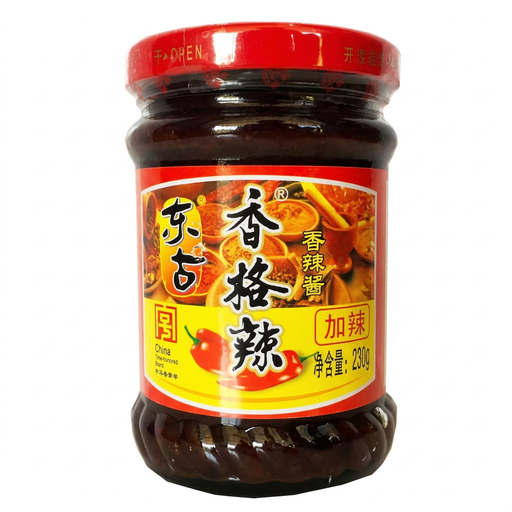
Why it suits this profile: Its milder flavour and suitability for rice, noodles, dips and stir-fries make this sauce an accessible first purchase.
The product information explicitly states “slightly spicy”, so you do not have to rely solely on a general marketing term.
230 grams, ready to use and, according to the product description, suitable as a sauce, dip and cooking seasoning.
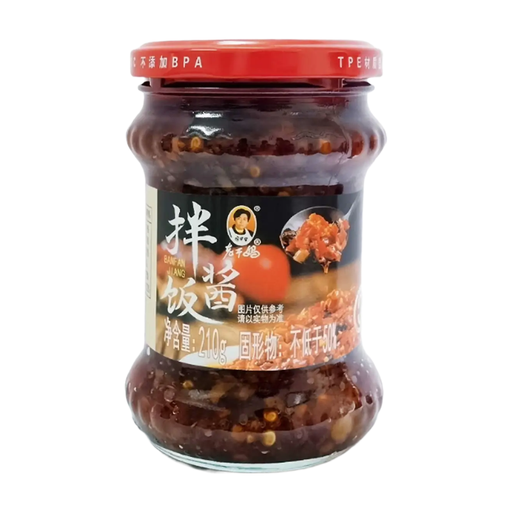
Why it suits this profile: This chilli crisp combines chilli with rapeseed oil, mushroom, soya and spices for anyone looking for more than just heat.
The ingredients and nutritional values are clearly stated. This means you can see in advance that the product contains soya and is relatively high in salt and fat.
Suitable for rice, noodles and a range of hot dishes; 210 grams in a jar that can be portioned as needed.
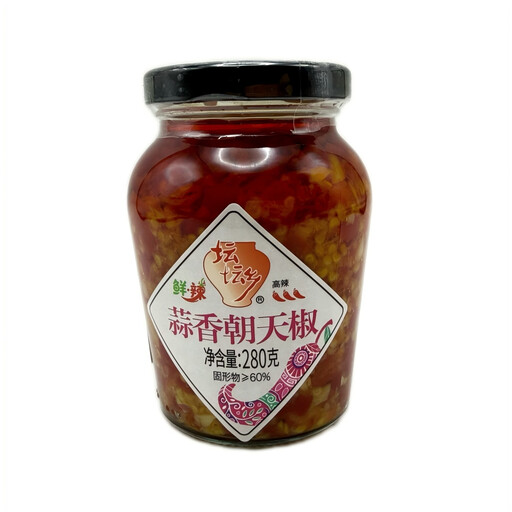
Why it suits this profile: The combination of Chaotian chilli, garlic and fermented soya beans is ideal for frequent cooking, marinating and stir-frying.
The packaging recommends refrigeration after opening. It also lists soya and possible cross-contamination with celery, mustard and sesame.
280 grams, ready to use and suitable as a dipping sauce, marinade, stir-fry sauce and noodle sauce.
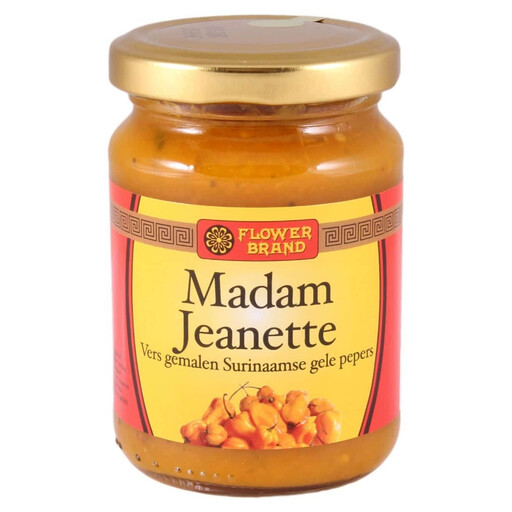
Why it suits this profile: This sambal is aimed at people looking for a concentrated chilli product with a high proportion of Madam Jeanette.
The stated high chilli content makes the composition easy to verify. Use small quantities if you want to build up the heat gradually.
200 grams, 40 kcal per 100 grams according to the product information, and free from allergens in the 14 main EU categories.
We have put together a complete, up-to-date list of products that fully meet these strict selection criteria and the applicable European safety regulations.
Store an unopened jar according to the label, usually in a cool, dry place away from direct sunlight. Use a clean spoon after opening and seal the packaging properly. If the packaging says “refrigerate after opening”, follow that advice.
When trying a new sauce, start with a small amount. Mix chilli crisp into noodles or rice, use garlic chilli sauce in a wok dish, or serve a thinner sauce as a dip. With a particularly salty variety, you can combine the sauce with neutral ingredients such as rice, cucumber, tofu or noodles.
Chilli crisp, chilli oil or a savoury Chinese chilli sauce works well with noodles and rice. Consider the texture: a thicker sauce clings to noodles better, while oil is mainly suitable for drizzling over them.
Sambal is usually a finely ground mixture of chilli and salt, sometimes with acid or other ingredients. Chilli sauce may also contain oil, sugar, garlic, beans, spices or vinegar. As a result, its flavour can range from sharp and direct to sweet, savoury or spicy.
This depends on the product. Some sauces can be stored in a cool, dark place, while others need to be refrigerated after opening and consumed quickly. Always check the label, best-before date, smell, colour and texture before using the sauce.
