
Vandaag of morgen in huis

Kwaliteit gegarandeerd

Welkomstaanbiedingen ontgrendelen: GRATIS bezorging | Tot 80% korting | Gratis 30 dagen JoyPlus-proefperiode
Download de app
A bottle of chilli sauce may seem easy to choose, but there is a big difference between a sweet dipping sauce, a sharp hot pepper sauce and a fermented Korean chilli paste. If you only look at eye-catching packaging or the words “extra hot”, you could end up with a sauce that is too sweet, too salty or unsuitable for everyday cooking.
Joybuy Product Recommendation Officer helps you compare the most important differences side by side. This way, you can assess not only the level of heat, but also the ingredients, size, origin and intended use.
Names such as hot chilli sauce, “hot pepper sauce” or “extra hot” are not classified in the same way everywhere. One sauce may mainly contain vinegar and chilli, while another variety includes sugar, garlic, tomato or oil. That is why you should check the product description and ingredients list. An explicit Scoville rating is often missing, so it is not always possible to compare the heat level precisely.
A sweet chilli sauce is usually intended as a dipping sauce or glaze. For example, Inproba Sweet Chilli Sauce contains 42 grams of sugar per 100 grams according to its nutritional information. Sunlee Sweet Chilli Sauce lists 48 grams of sugar per 100 grams. These sauces are therefore suitable for a sweet-and-spicy flavour, but less suitable if you are mainly looking for pure pepper heat.
A 700 or 850 ml bottle may seem appealing for a large household or catering business, but once opened, you should follow the storage instructions. Some products need to be refrigerated, while others should be kept tightly sealed in a cool, dry place. Only buy a large size if you use the sauce regularly.
Start by looking at the first ingredients. If chilli appears near the beginning, pepper is likely to be an important part of the flavour. If sugar, vinegar or water is listed first, the emphasis may be more on a sweet-and-sour taste or a thinner consistency.
Also look out for additional flavourings:
Think about what you are buying the sauce for. A thin, vinegar-based sauce is handy for adding a few drops to soup, pizza or eggs. A thicker sauce stays in place better as a dip. A paste such as gochujang is suitable for marinades, stews and stir-fries, but has a different consistency from a classic chilli sauce.
For everyday use, a medium heat level is often the most practical choice. If you prefer to control the amount yourself, a concentrated sambal or hot pepper sauce may be a better option. A milder variety is easier to use for a family with different taste preferences.
Compare the weight or volume with how much you use. A 142 ml pack is suitable for trying out a flavour profile first. Sizes from 480 to 1,000 grams make more sense if you often cook Asian, Surinamese or Mexican dishes.
Always check the current label for:
Online product information may change. Before use, always read the packaging, warnings and preparation instructions.
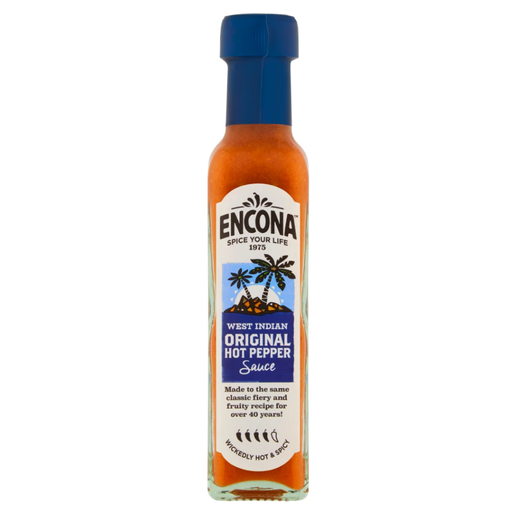
Why it suits this profile: The compact size is handy if you want to try a hot chilli sauce first or only occasionally add a spicy kick to pizza, soup, dips and marinades.
The ingredients list names ripe cayenne peppers and vinegar; the small bottle reduces the risk of the sauce being left unused.
142 ml, a smooth, pourable consistency and, according to the product information, free from the 14 major EU allergens.
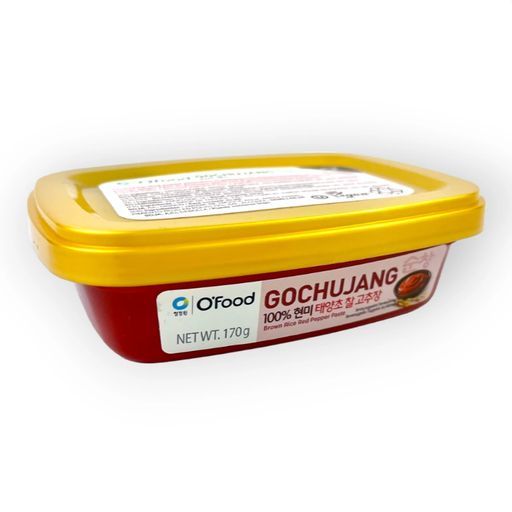
Why it suits this profile: This Korean chilli paste is ideal for home cooks looking for more than straightforward heat and wanting to add fermented, savoury flavour to their dishes.
The product description mentions brown rice, fermented soya and red pepper powder, allowing you to assess the flavour profile more accurately than by relying on the word “spicy” alone.
170 g, suitable as a condiment, marinade and base for soups or stir-fries; contains soya and yeast.
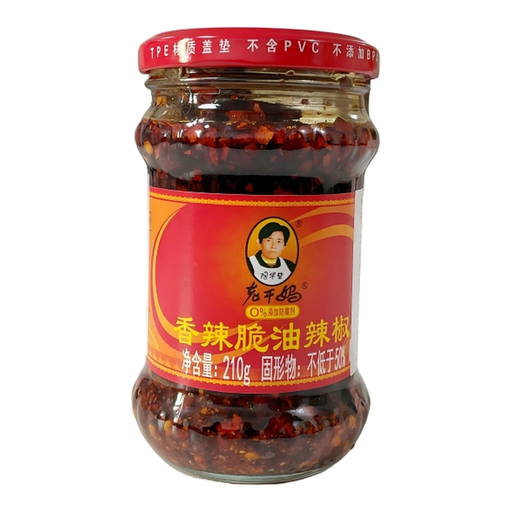
Why it suits this profile: The combination of chilli oil, peanuts, soya beans and crispy pieces is designed for noodles, rice, dumplings, hotpot and stir-fries.
The stated ingredient percentages include 20% chilli flakes, 8% peanuts and 6% soya beans. This makes the texture and allergens clear in advance.
210 g, ready to use and suitable as a topping, dip or flavour enhancer; contains peanuts, soya, sesame and wheat.
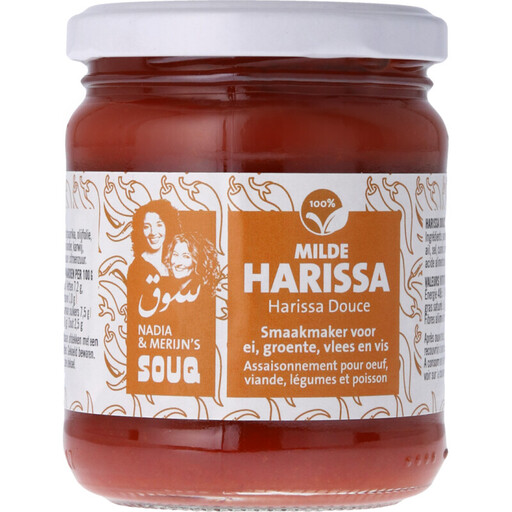
Why it suits this profile: This mild Mediterranean pepper paste can be used as a dip, marinade, pasta sauce or flavour enhancer with vegetables, eggs, meat and fish.
The product information describes this variety as mild. This makes it a straightforward choice for people who enjoy aromatic spice but do not want a fiercely hot chilli sauce.
190 g, with pepper, olive oil, garlic, cumin, coriander and caraway; refrigerate after opening according to the product information.
We have put together a complete, up-to-date list of products that fully meet these strict selection criteria and the applicable European safety regulations.
Chilli sauce is often liquid or smooth and can be sweet, sour or spicy. Sambal is usually thicker and consists of finely ground peppers with salt, acidity, oil or spices. The exact texture and heat level vary according to the recipe and brand.
Always follow the label. Many sauces can be stored tightly sealed in a cool, dry place. Products containing fresh peppers, oil or a paste-like consistency may need to be refrigerated according to the packaging. Do not use a product if the packaging is damaged.
A smooth sauce containing vinegar, sugar or spices works well as a marinade. Gochujang is suitable for Korean marinades, while harissa is a good choice for Mediterranean preparations. With sweet sauces, pay attention to the cooking temperature, as sugar can caramelise more quickly during baking or grilling.
