
Vandaag of morgen in huis

Kwaliteit gegarandeerd

Welkomstaanbiedingen ontgrendelen: GRATIS bezorging | Tot 80% korting | Gratis 30 dagen JoyPlus-proefperiode
Download de app
A jar of chilli sauce, sambal or chilli oil might seem like a simple choice. Yet products vary greatly in flavour, texture, heat level, salt content and allergens. A sweet sauce for spring rolls works very differently to a concentrated sambal for rice. If you only look at a flashy label or the words “extra hot”, you could end up with a product that hardly suits your dish.
As a Joybuy Product Recommendation Officer, I filter product information based on practical points. This way, you can quickly see which chilli sauce matches your cooking style and what to look out for before you order.
A hot pepper sauce can taste predominantly sour, sweet, salty, smoky or fermented. The term “spicy” doesn’t tell you everything about the final flavour experience. A sambal with 92% Madame Jeanette peppers has a very different profile to a Chinese chilli sauce with oil, garlic and fermented black beans.
So, look at the first ingredients on the label. If vinegar is listed first, you can expect a fresh, sour taste. With oil, chilli flakes or fermented ingredients, you’re more likely to get a full-bodied sauce or topping.
Asian sauces often contain soya, peanuts, sesame, wheat or shellfish. This applies even to products that at first glance look like plain chilli oil. For example, Lao Gan Ma Spicy Crispy Oil Chili contains peanuts, soya, sesame and wheat. Ji Xiang Ju Handmade Chili Oil also contains peanuts, sesame, soya and wheat.
Always check the current packaging. Product information on a web shop can change, and the manufacturer may add additional warnings to the label.
A 60 ml bottle is handy if you only use a few drops per dish. For daily use with rice, noodles or dumplings, 200 to 330 grams is often more practical. Also pay attention to the storage instructions: some products need to be refrigerated after opening, while others can be kept in a cool, dry place.
Don’t just compare the percentage of chilli. Also look at:
For instance, Tabasco Red Pepper Sauce lists three ingredients according to the product information: vinegar, red pepper and salt. The sauce has a liquid texture and is intended for use in small amounts. A product like Flower Sambal Jeanette, according to its stated composition, consists of 92% Madame Jeanette, salt and acidity regulators.
The texture determines how you use the chilli sauce:
A thin sauce mixes quickly into a dish. A thick paste remains more as a topping or base for a sauce.
Not every product has a comparable, objective heat scale available. So, use the ingredients and the recommended use as a guide, but don’t treat marketing terms as a universal measurement.
If you’re looking for Chinese flavours, look out for garlic, fermented black beans, Sichuan pepper or oil. For Surinamese dishes, Madame Jeanette sambal and shrimp sambal are logical choices. Gochujang suits Korean dishes like bibimbap, bulgogi, stews and noodles. Tabasco mainly adds sour-spicy accents.
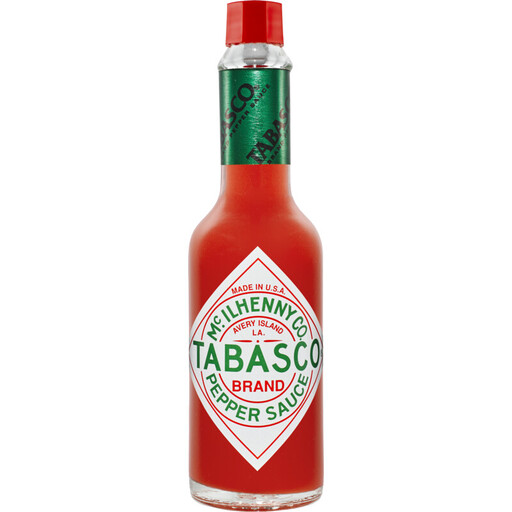
Why this suits the profile: The small pack is practical when you want to try a liquid hot pepper sauce for pizza, pasta, meat or soups for the first time.
The ingredients list is short and clear. This means you can immediately see that the flavour comes mainly from vinegar, red pepper and salt.
60 ml, liquid texture and 16 kcal per 100 ml according to the product information. Allergen information is not available; please check the label.
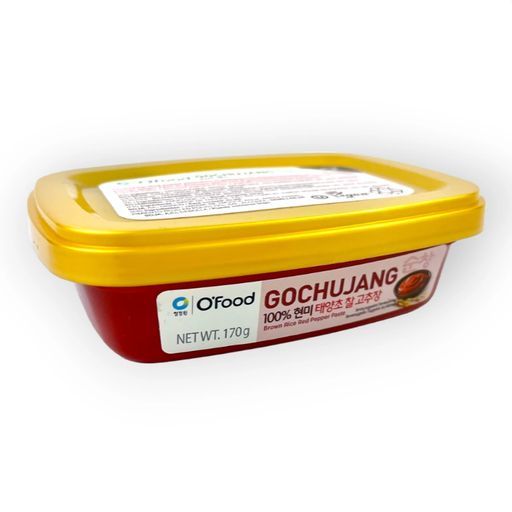
Why this suits the profile: This Korean gochujang is ideal for home cooks looking for a fermented, thick pepper paste for marinades, soups and stir-fries.
The product description clearly states its use as a condiment, marinade and ingredient. This helps you choose a paste rather than a thin table sauce.
Contains brown rice, fermented soya and red pepper powder. The pack contains 170 grams; soya and yeast are listed as allergens.
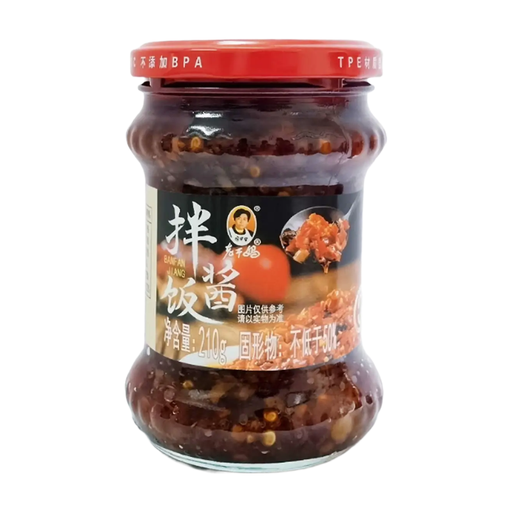
Why this suits the profile: The oily chilli crisp is designed for rice, noodles and various dishes. The texture offers more variety than a smooth chilli sauce.
The product description explicitly mentions rice and noodles as uses. This makes the choice clearer than with a sauce that only has a general heat claim.
210 grams, with chilli, rapeseed oil, soya, mushroom, salt, sugar and spices. Soya is listed as an allergen.
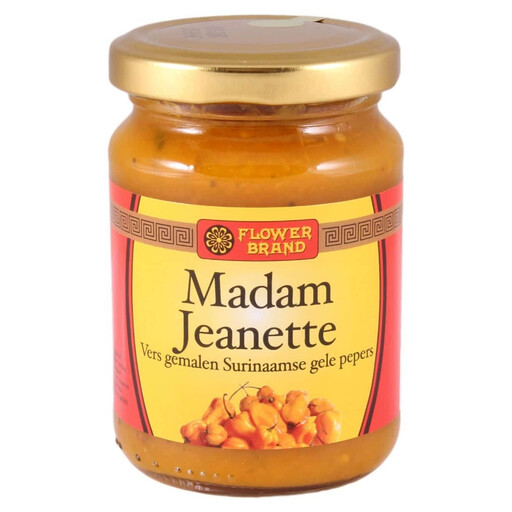
Why this suits the profile: This sambal is ideal for dishes where the pepper flavour takes centre stage, such as rijsttafels, potato dishes and Surinamese meals.
The percentage of Madame Jeanette is stated. This gives you more information than a product that only says “hot” on the label.
92% Madame Jeanette, 200 grams and, according to the product information, free from the 14 main EU allergens.
We’ve put together a full, up-to-date list of products that fully meet these strict selection criteria and current European safety regulations.
Chilli sauce is often more liquid and can contain vinegar, sugar or oil. Sambal is usually thicker and contains ground or chopped peppers. The exact composition varies by recipe. Sambal oelek is typically a simple pepper base, while sambal badjak can contain fried ingredients and extra spices.
For rice and noodles, chilli crisp, chilli oil and Chinese chopped chilli work well when you want oil and pieces of pepper. A spicy sauce with vinegar, like Tabasco, is more convenient if you mainly want to add a few drops of sour-spicy flavour. Gochujang works when you’re after a thicker, slightly sweet and fermented Korean taste.
Always follow the label. Some sauces can be stored cool and dry after opening, while others must be kept in the fridge. Use a clean spoon, keep the packaging tightly closed and check the best-before information. If there are changes in smell, colour, texture or packaging, it’s best not to use the product.
